
Server Cabinets: Fabrication Considerations for Future Growth and Scalability
Server cabinets play an important role in supporting the performance, organization, and long-term growth of modern data centers and network infrastructure. While many data center operators focus on meeting current equipment requirements, planning for future expansion is equally important. A custom server cabinet can help accommodate new equipment, simplify maintenance, improve airflow, and support evolving infrastructure needs without requiring costly modifications later.
As technology continues to advance, equipment density, storage demands, and network requirements are increasing. Fabricating server cabinets with scalability in mind can help facility operators maximize the value of their infrastructure investments while maintaining reliable operations over time.
Why Scalability Matters in Server Cabinet Fabrication
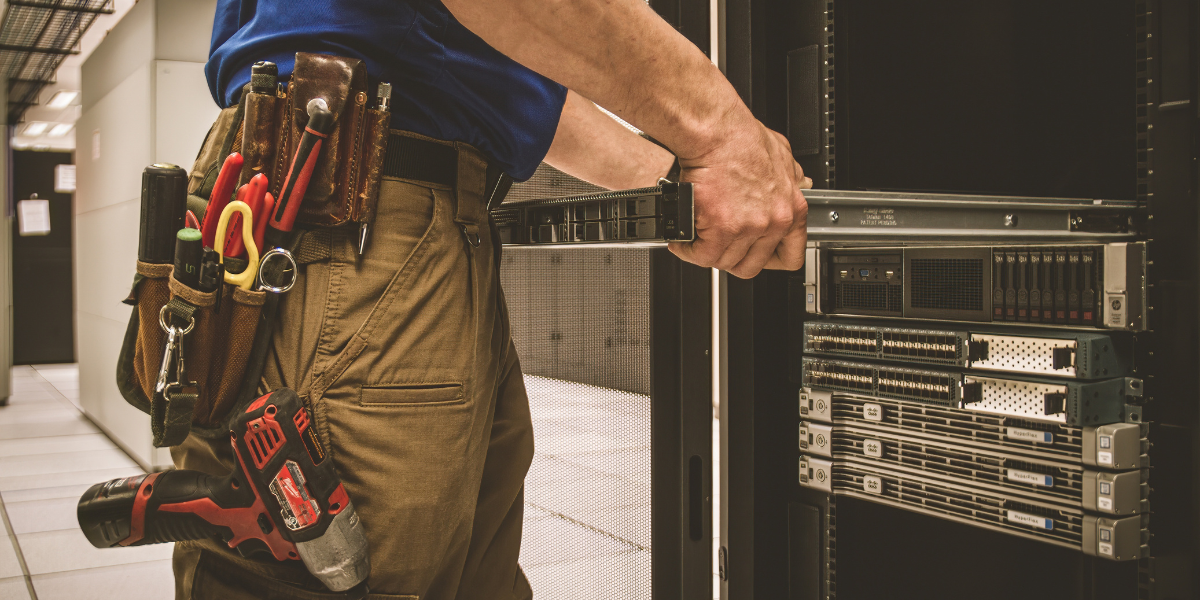
Data centers and network environments rarely remain static. New hardware is added, equipment is upgraded, and infrastructure requirements evolve as capacity demands increase. Server cabinets that are built solely around current needs can quickly become limiting when expansion becomes necessary.
Scalable server cabinet fabrication helps infrastructure teams prepare for future growth by providing the flexibility needed to accommodate additional equipment, increased cabling, and changing cooling requirements. Planning for expansion early can reduce future disruptions while helping facility operatorsavoid unnecessary replacement costs.
Scalable server cabinets can help support:
Future equipment additions
Increased network capacity
Growing storage requirements
Hardware refresh cycles
Long-term infrastructure planning
Scalability is particularly important in environments where uptime, performance, and operational efficiency are critical. By considering future growth from the beginning, infrastructure teams can create infrastructure that remains effective for years to come.
Planning Space for Future Equipment Growth
One of the most important considerations in custom server cabinet fabrication is ensuring adequate capacity for future equipment additions.
Rack Unit Capacity
Rack unit capacity directly affects how much equipment can be installed within a cabinet. While it may be tempting to maximize available space immediately, leaving room for future growth can provide significant long-term advantages.
Additional rack space allowsoperators to add servers, networking equipment, storage devices, and other components as infrastructure requirements increase. Planning for future capacity can help prevent overcrowding and reduce the need for premature cabinet replacement.
Cabinet Dimensions and Weight Capacity
Cabinet dimensions should also support future scalability. Depth, width, and overall load capacity can influence the types of equipment that can be installed over time.
As hardware continues to evolve, equipment may require additional depth or generate greater weight loads than existing systems. Selecting appropriate cabinet dimensions from the start can help ensure long-term compatibility with future equipment investments.
Cable Management Considerations for Scalable Server Cabinets
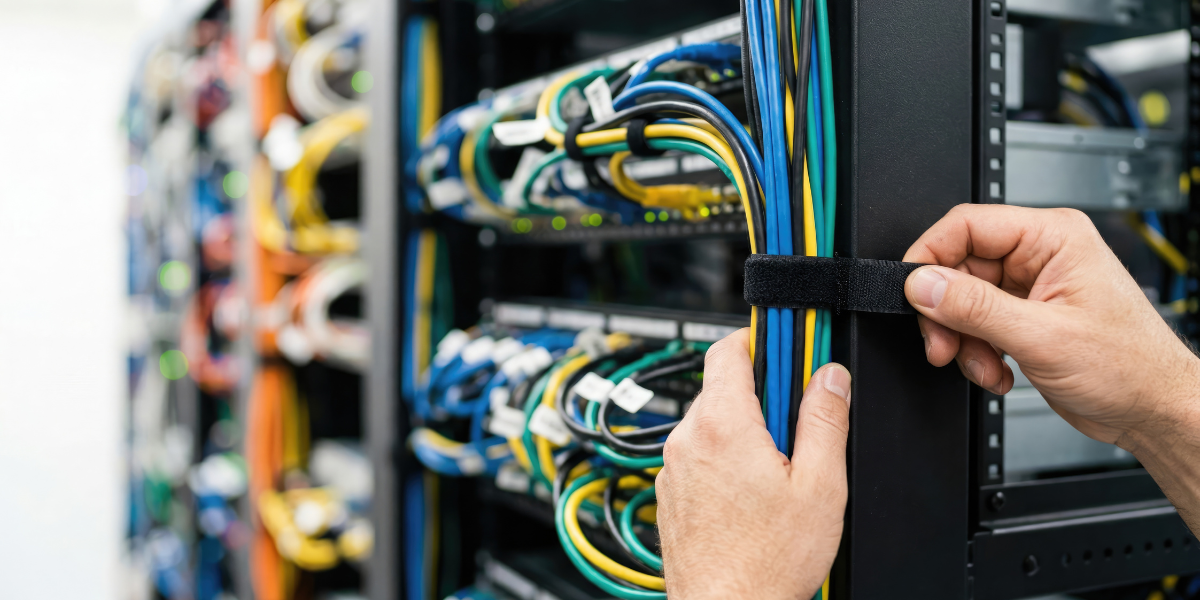
Effective cable management is essential for maintaining organized and scalable infrastructure. As equipment is added, the number of power and data connections typically increases as well. Without proper planning, cable congestion can quickly become a challenge.
Dedicated cable routing pathways can help separate cables, reduce clutter, and improve accessibility during maintenance activities. Organized cable management also makes it easier to add new equipment without disrupting existing connections.
Effective cable management strategies may include:
Dedicated cable routing channels
Separation of power and data cabling
Clearly organized cable pathways
Accessible maintenance locations
Capacity for future cable additions
Well-built cable management systems support improved serviceability, cleaner installations, and more efficient infrastructure expansion. Teams planning for long-term growth should consider cable management as a core component of server cabinet design rather than an afterthought.
Airflow Requirements as Infrastructure Grows
As equipment density increases, airflow management becomes increasingly important. Additional servers and networking equipment generate more heat, which can affect performance and reliability if not properly managed.
Server cabinets should be built to support efficient airflow throughout the enclosure. Features such as perforated doors, strategic equipment placement, and adequate spacing between components can help maintain consistent cooling performance.
Proper airflow planningbecomes especially important as infrastructure requirements expand over time. Cabinets that support efficient cooling can help reduce the risk of hot spots while contributing to overall equipment reliability and operational efficiency.
As additional equipment is installed, cooling demands often increase as well. Planning for future airflow requirements can help teams maintain consistent operating conditions while supporting ongoing infrastructure growth.
Accessibility and Maintenance Considerations
Scalable infrastructure should remain accessible and easy to maintain as it grows. Server cabinets should provide sufficient access to equipment, cabling, and critical components to support routine service activities.
Front and rear access can simplify equipment installation, upgrades, and repairs. Accessible layouts can also reduce maintenance time and help minimize operational disruptions when changes are required.
As infrastructure expands, accessibility becomes even more valuable. Cabinets fabricated with maintenance and serviceability in mind can help support future expansion while maintaining efficient operations.
Fabrication Features That Support Long-Term Scalability
Learn how precision fabrication supports scalable server cabinet and server rack solutions for growing data center environments.
Custom fabrication can play a significant role in supporting scalable server cabinet solutions. Standard configurations may not always accommodate unique equipment requirements or future expansion plans.
Custom server cabinets can be manufactured with specific dimensions, mounting configurations, cable routing features, and structural requirements to support long-term infrastructure goals. Fabrication consistency is also important when multiple cabinets are required across a facility.
Depending on the application, fabricated server cabinets may incorporate:
Application-specific dimensions
Equipment mounting configurations
Integrated cable management features
Structural support for increased equipment loads
Expansion accommodations for future growth
Consistent fabrication across multiple cabinet installations
By incorporating scalability considerations into the fabrication process, our customers can create solutions that remain adaptable as equipment requirements evolve. Custom fabricated server cabinets can provide the flexibility needed to support future growth while maintaining performance and reliability.
Choosing Server Cabinets for Long-Term Infrastructure Growth
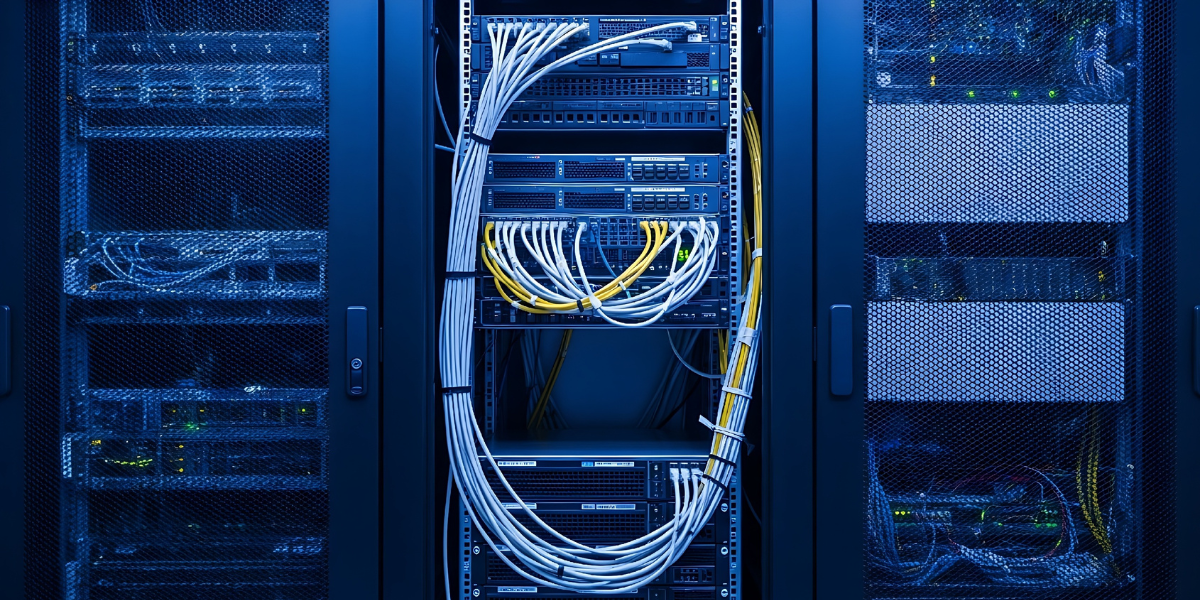
Selecting server cabinets involves more than meeting immediate equipment requirements. Decision makers should evaluate how future growth may affect cabinet capacity, cable management, airflow, accessibility, and overall infrastructure performance.
Taking a proactive approach can help teams avoid unnecessary modifications, improve operational flexibility, and better accommodate changing technology requirements over time.
Planning for scalability during the fabrication process can help reduce future challenges while supporting more efficient infrastructure expansion. By considering long-term requirements from the beginning, infrastructure teams can create server cabinet solutions that continue to perform as operational demands change.
To learn more about custom fabricated server cabinets, enclosures, and metal fabrication solutions, contact Washington Metal Fabricators today. Be sure to follow us on Facebook and LinkedIn for additional industry insights, project updates, and fabrication resources.
