
Cable Management Considerations for Server Rack Design and Fabrication
As modern data centers continue to expand, cable management has become an increasingly important aspect of server rack design. Power cables, network connections, and communication wiring must all be organized in a way that supports accessibility, maintenance, and long-term infrastructure performance. As equipment density increases, effective cable management can help reduce operational challenges while supporting more efficient use of available space.
While server racks are often evaluated based on their ability to support equipment, cable routing and organization play an equally important role. Poorly managed cables can create accessibility issues, complicate maintenance, restrict airflow, and make future expansion more difficult. Understanding the role cable management plays in server rack design can help organizations support reliable operations and long-term growth.
Why Cable Management Matters in Server Rack Design
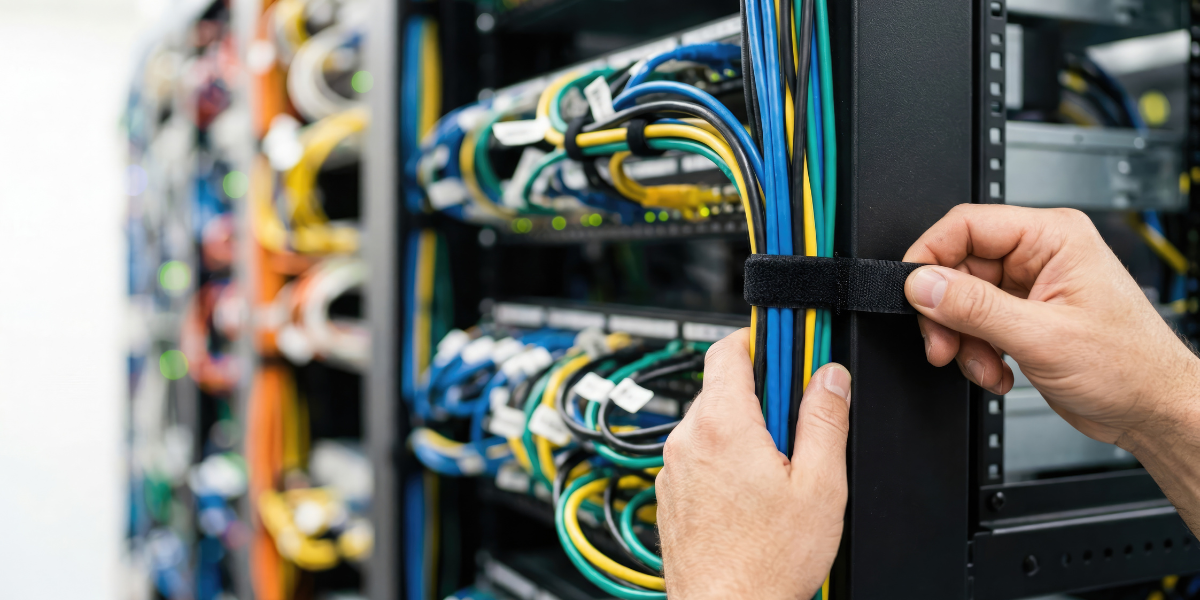
Effective cable management contributes to much more than simple organization. In many applications, it directly impacts accessibility, serviceability, and overall infrastructure performance.
When cables are organized properly, technicians can identify connections more quickly, perform maintenance more efficiently, and reduce the risk of accidental disruptions. Organized routing pathways can also make it easier to add or replace equipment as infrastructure requirements change over time.
Well-organized cable systems can help reduce the amount of time required for troubleshooting and equipment replacement. When connections are clearly routed and accessible, maintenance teams can work more efficiently while minimizing disruptions to surrounding equipment.
Effective cable management can help support:
Easier equipment maintenance
Improved cable organization
Faster identification of connections
Reduced risk of cable damage
More efficient infrastructure growth
As equipment volumes increase, cable management becomes an increasingly important consideration in server rack design.
Common Cable Management Challenges
Managing large volumes of cables can become increasingly difficult as equipment configurations grow more complex. Data centers often contain a combination of power cables, network cables, communication wiring, and other connections that must be routed efficiently throughout the rack.
One common challenge is cable congestion. As additional equipment is installed, routing pathways can become crowded, making maintenance more difficult and reducing accessibility. Limited space within server racks can further complicate cable organization efforts.
Future expansion can also create challenges. Infrastructure requirements often change over time, requiring additional equipment and connections. Without adequate planning for future growth, cable management systems may become difficult to maintain.
Common cable management challenges include:
Cable congestion
Restricted routing pathways
Difficult maintenance access
Inconsistent cable organization
Limited room for future expansion
Increased risk of accidental disconnections
Addressing these challenges often requires careful consideration of server rack design, accessibility requirements, and cable routing strategies.
Features That Support Better Cable Management
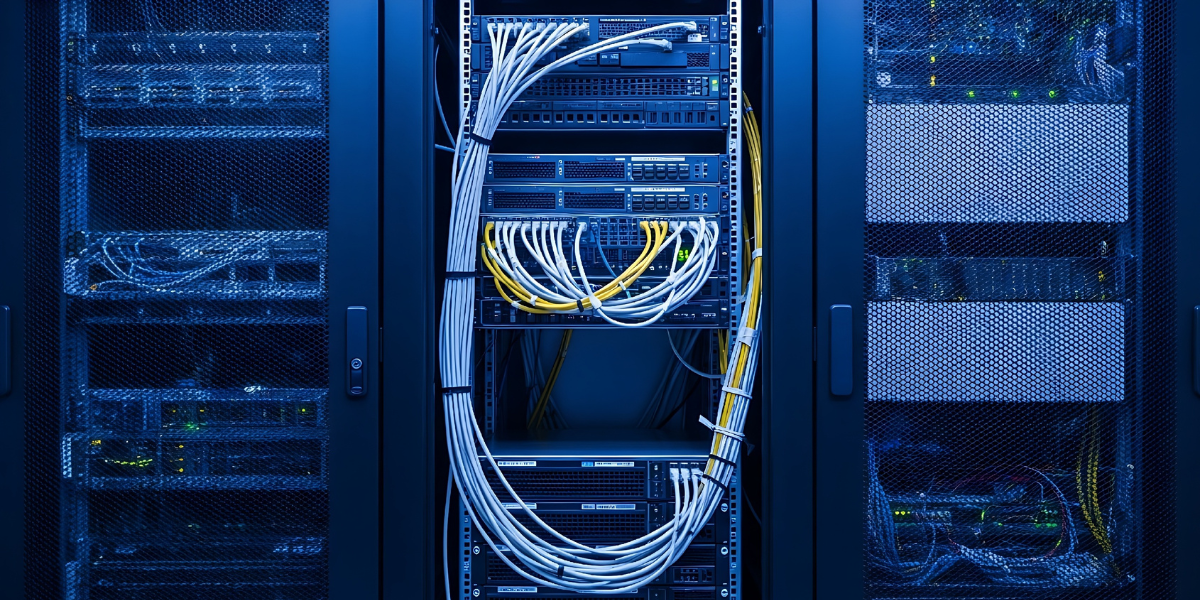
Various features can help support more effective cable management within server rack design. These features are intended to improve organization while maintaining accessibility for maintenance and future equipment additions.
Dedicated cable routing pathways can help separate cables and reduce congestion throughout the rack. Organized pathways also make it easier to identify individual connections and perform routine service activities.
Equipment spacing is another important consideration. Providing adequate space between components can improve accessibility while helping technicians manage cable routing more effectively.
In addition to supporting cable routing, proper spacing can make routine inspections and equipment upgrades easier to perform. Maintaining adequate access to critical connections helps simplify service activities while reducing the likelihood of accidental cable disturbances during maintenance.
Access panels and removable components can further simplify maintenance activities by providing convenient access to cables and equipment. These features can be particularly valuable in environments where infrastructure changes occur frequently.
When incorporated into server rack configurations, these features can help support more organized and efficient cable management practices.
The Relationship Between Cable Management and Airflow
Cable management and airflow are closely connected within server rack design and infrastructure planning. Poor cable organization can obstruct airflow pathways and contribute to uneven cooling conditions throughout the rack.
When cables accumulate in front of ventilation openings or occupy critical airflow pathways, equipment may be exposed to higher operating temperatures. Over time, restricted airflow can impact cooling efficiency and increase thermal stress on sensitive components.
Poor cable management can contribute to:
Restricted airflow
Uneven cooling
Maintenance challenges
Reduced accessibility
Increased infrastructure complexity
Maintaining organized cable routing can help support airflow throughout the rack while contributing to more consistent operating conditions. As equipment density continues to increase, the relationship between cable management and airflow becomes even more important.
Custom Fabrication Considerations for Server Racks
Not all server rack applications have identical requirements. Equipment types, cable volumes, accessibility needs, and expansion plans can vary significantly depending on the environment.
Custom fabricated server racks can be manufactured according to customer specifications that address unique operational requirements. Routing pathways, mounting locations, accessibility features, and equipment configurations can all influence how cables are managed within the rack.
Depending on the application, custom fabricated server racks may include:
Dedicated cable routing channels
Equipment-specific mounting locations
Removable access panels
Additional space for future equipment
Specialized component mounting features
Accessibility-focused configurations
By manufacturing server racks according to application-specific requirements, organizations can better support cable organization, maintenance activities, and future infrastructure growth.
Supporting Long-Term Infrastructure Performance
Effective cable management is an important component of long-term infrastructure performance. Organized routing pathways, accessible equipment layouts, and well-planned rack configurations can help simplify maintenance while supporting future expansion requirements.
Well-organized cable systems can also contribute to greater operational consistency over time. As equipment is added, removed, or upgraded, clearly defined routing pathways can help maintain efficiency while supporting future infrastructure changes.
As equipment demands continue to evolve, maintaining effective cable management practices can help improve operational efficiency and reduce challenges associated with infrastructure growth. Investing in properly fabricated server racks that align with application requirements can help support accessibility, reliability, and long-term performance.
Improving Server Rack Performance Through Better Cable Management
Cable management plays a critical role in supporting accessibility, organization, airflow, and long-term infrastructure performance. As server environments become more complex, effective cable routing and organization can help simplify maintenance, improve operational efficiency, and support future growth.
Properly fabricated server racks can accommodate application-specific requirements while helping organizations maintain reliable and organized infrastructure over time. Effective cable management remains an important consideration in server rack design, particularly as equipment density and infrastructure requirements continue to grow.
To learn more about custom fabricated server racks and metal fabrication solutions, contact Washington Metal Fabricators today. Be sure to follow us on Facebook and LinkedIn for additional industry insights, project updates, and fabrication resources.
