
Server Rack Fabrication: Precision Metal Solutions for Data Centers
Server rack fabrication plays a critical role in the performance, reliability, and scalability of modern data center environments. When racks and enclosures are not built with precision and consistency, the issues tend to show up fast. Installations take longer, airflow becomes less efficient, and small inconsistencies start to create bigger operational problems.
For OEMs and infrastructure teams, the goal is not simply to source racks. It is to ensure those racks are manufactured correctly, every time, across every unit. That is where a controlled fabrication process makes the difference.
What Server Rack Fabrication Really Involves
At a glance, a server rack might seem like a straightforward structure. In reality, the fabrication process behind it is what determines how well it performs once it is in use.
Off-the-shelf racks can work for standard applications, but many operations require custom fabricated systems that align with specific equipment, layouts, and long-term expansion plans. That means tighter control over dimensions, materials, and how each component comes together.
Server rack fabrication is ultimately about consistency. When every panel, bracket, and frame is produced to the same specification, installation becomes smoother, equipment fits correctly, and scaling becomes far less complicated.
Core Processes Behind Server Rack Fabrication
Achieving that level of consistency requires a combination of precise manufacturing processes working together.
Key fabrication capabilities typically include:
CNC machining for tight tolerances and repeatable components
Laser or plasma cutting based on material and geometry
Forming and bending for structural panels and frames
Welding and joining for strength and long-term durability
Drilling, tapping, and hardware preparation
Surface finishing for protection and a clean, uniform appearance
Assembly and kitting so components arrive production-ready
Each of these steps contributes to the same goal: producing server rack components that perform reliably and match from one unit to the next.
Why Precision Matters in Data Center Environments
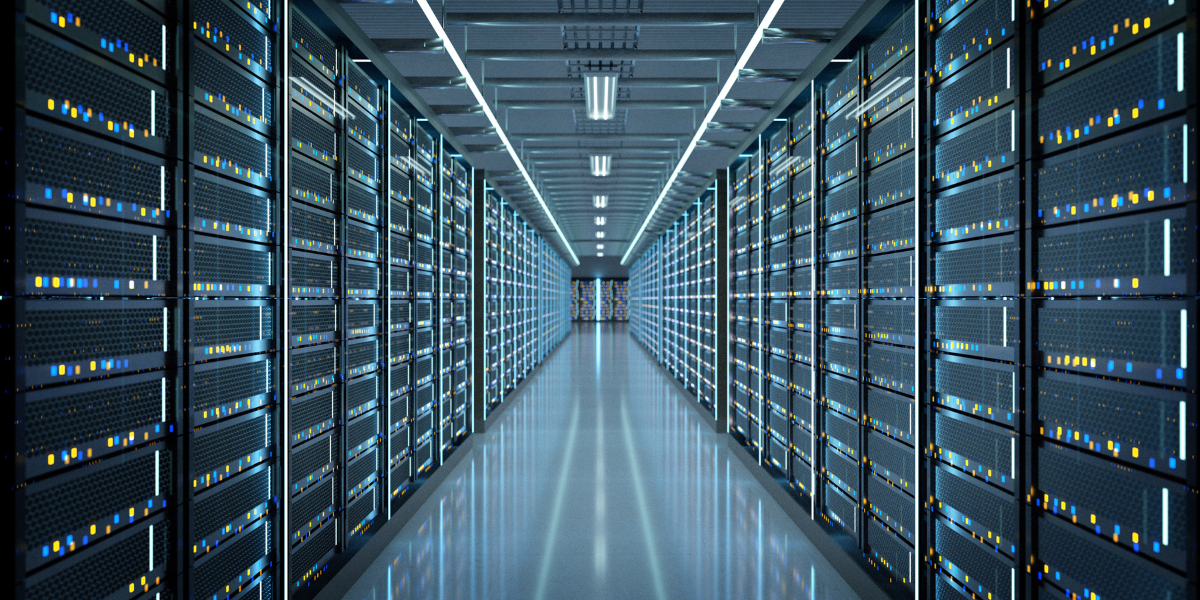
In data center server racks, precision is not just a quality metric. It directly affects performance.
When fabrication is inconsistent, the problems are rarely isolated. A slight misalignment can slow down installation. Improper spacing can interfere with airflow. Components that are not built to exact tolerances can make mounting hardware more difficult than it needs to be.
Over time, these small issues add up. They impact efficiency, delay deployments, and make it harder to maintain consistency across systems.
On the other hand, well-executed server rack fabrication supports everything that matters in a data center environment. Equipment fits as expected. Airflow systems function properly. Cable management stays clean and organized. Expansion becomes a matter of repeating a proven system rather than troubleshooting new variables.
Materials Used in Server Rack Fabrication
Material selection plays a big role in how a rack performs over time. Most server rack systems are built using steel or aluminum, each chosen based on the specific needs of the application.
Steel is often used when strength and load-bearing capacity are the priority. It provides the rigidity needed to support heavier equipment and maintain structural integrity over time. Aluminum, on the other hand, offers a lighter-weight option with added resistance to corrosion, which can be beneficial depending on the environment.
Finishes and coatings are also part of the equation. Beyond appearance, they help protect surfaces, reduce wear, and ensure the final product holds up under real-world conditions.
Applications for Fabricated Server Rack Components
Server rack fabrication supports a wide range of infrastructure needs, especially in environments where consistency and scalability are critical.
Common applications include:
Data center server racks
Server rack cabinets and enclosures
Network infrastructure frames
Wall-mounted rack systems
Modular rack assemblies
Custom enclosures for specialized equipment
Integrated assemblies that include panels, hardware, and mounting components
This range of applications allows manufacturers and operators to standardize their systems while still accommodating unique requirements where needed.
From Prototype to Production: Supporting Scalable Rack Systems
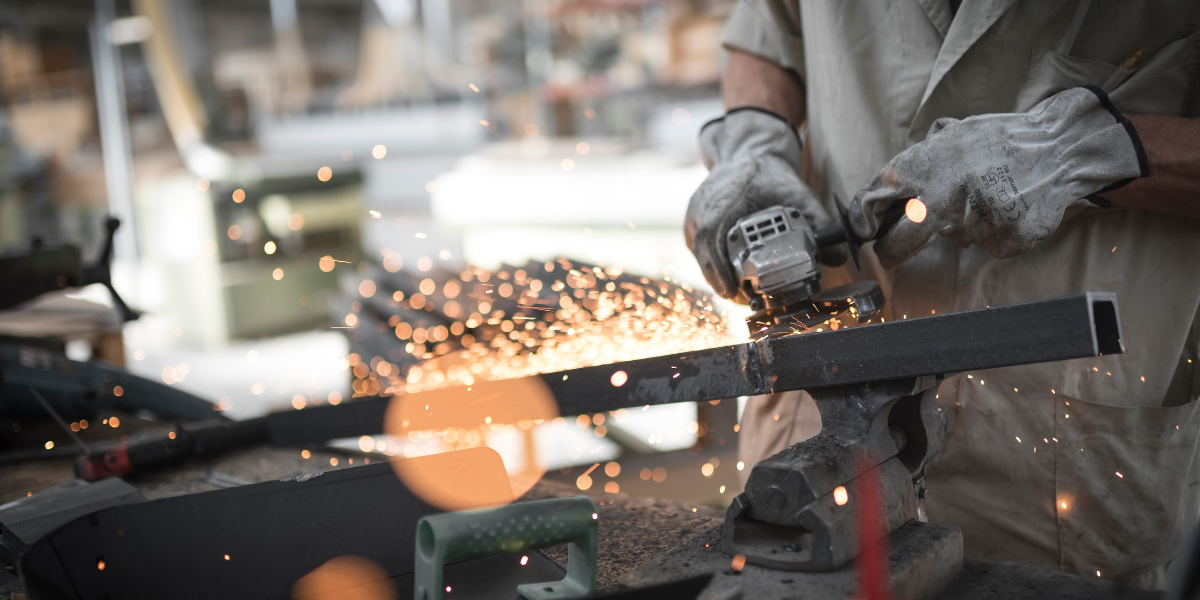
A successful server rack fabrication process does not stop at producing a single unit. It is about building a repeatable system that can scale without introducing variation.
That process typically begins with reviewing specifications and identifying any potential challenges early. From there, first articles are produced and validated to ensure fit, function, and finish meet expectations. Once those standards are confirmed, production can scale with confidence.
The key is maintaining consistency at every stage. When tolerances are locked in and processes are controlled, each unit that follows matches the one before it. That level of repeatability is what allows operations to grow without creating new problems along the way.
Working with a Fabrication Partner for Server Rack Projects
For companies managing multiple components or large-scale builds, the right fabrication partner can simplify the entire process.
Instead of coordinating across multiple vendors, a single partner can provide consistent quality, manage multiple component types, and keep production aligned with project timelines. This not only reduces complexity but also helps maintain uniformity across every part of the system.
When fabrication is handled with a focus on precision and repeatability, it becomes easier to keep projects moving and avoid the disruptions that come with inconsistent supply.
Frequently Asked Questions
What is server rack fabrication?
Server rack fabrication is the process of manufacturing metal racks, cabinets, and enclosures used to house servers and network equipment. It involves precision cutting, forming, welding, and assembly to ensure consistent performance.
What materials are used in server rack fabrication?
Steel and aluminum are the most common materials, selected based on strength, weight, and environmental requirements.
Can server racks be custom fabricated?
Yes. Many applications require custom dimensions, configurations, and features that are not available in standard, off-the-shelf options.
How do you ensure consistency across production runs?
Consistency comes from controlled manufacturing processes, validated first articles, and quality checks throughout production.
What industries rely on fabricated server rack components?
Data centers, IT infrastructure providers, OEM manufacturers, and network equipment companies all depend on precision-fabricated rack systems.
Ready to Improve Consistency in Your Server Rack Components?
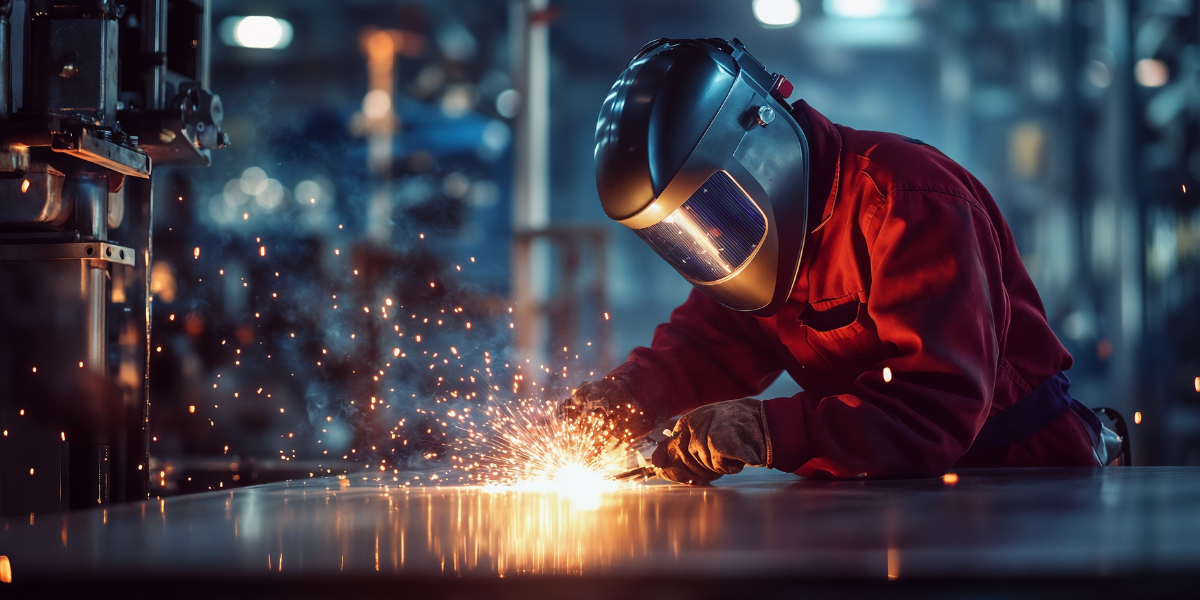
When your operation depends on precision, consistency, and reliable production, the fabrication process matters more than most people realize. A well-controlled approach to server rack fabrication helps eliminate variability, supports performance, and keeps projects moving without unnecessary delays.
To learn more about data center server rack fabrication or related systems, contact Washington Metal Fabricators. Our team can support your project with dependable, repeatable results. Reach out today to start the conversation and see how a more consistent fabrication partner can support your next project.
To stay connected and see more of our work, follow Washington Metal Fabricators on Facebook and LinkedIn.
