
Corrosion Resistant Metal Fabrication: Materials, Processes, and Applications
Corrosion resistant metal fabrication plays a critical role in industries where moisture, chemicals, and environmental exposure can quickly break down standard materials. Choosing the right metals and fabrication methods helps ensure long-term performance, structural integrity, and consistent production results. For OEMs and commercial buyers, it is not just about selecting a material. It is about working with a fabricator who understands how to build components that hold up over time.
What Makes Metal Marine Grade or Corrosion Resistant?
The term “marine grade” is often used to describe metals and fabrication processes designed to resist corrosion in demanding environments. While the phrase suggests ocean use, it is more accurately a performance standard. Marine grade metals are selected and processed to withstand moisture, salt exposure, cleaning chemicals, and temperature fluctuations without degrading.
Two of the most commonly used materials include stainless steel and aluminum. Within those categories, specific alloys offer different levels of protection.
316 stainless steel is known for its superior corrosion resistance, especially in high-moisture or chemical-heavy environments
304 stainless steel provides strong performance in less aggressive conditions
Aluminum alloys such as 6061 and 6063 offer a lightweight, corrosion-resistant option when paired with proper finishing
Material selection is the foundation, but it is only one part of the equation.
Why Corrosion Resistance Matters in Manufacturing
In production environments, corrosion is more than a cosmetic issue. It can lead to premature part failure, inconsistent performance, and costly downtime. For OEMs running repeat production cycles, even minor degradation can create major problems across an entire system.
Corrosion resistant metal fabrication helps prevent:
Material breakdown that compromises structural integrity
Increased maintenance costs and replacement frequency
Production delays caused by failing components
Quality issues that affect downstream assembly
When components are built correctly from the start, manufacturers can maintain consistency across production runs and avoid unnecessary disruptions.
Materials Used in Corrosion Resistant Metal Fabrication
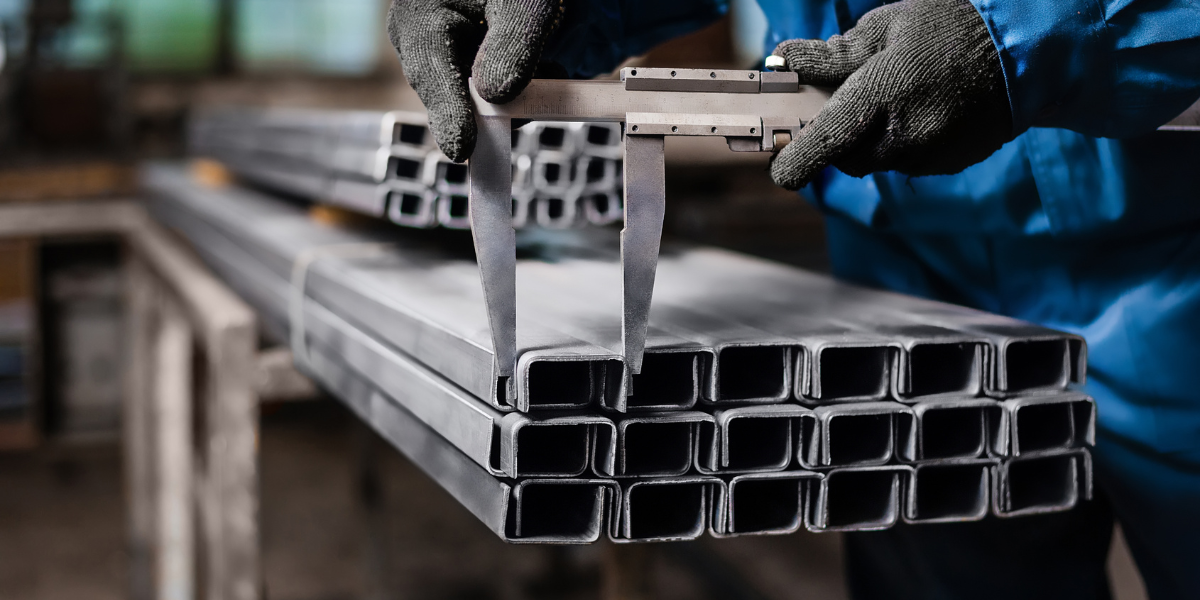
The most effective corrosion resistant metal fabrication projects begin with materials that are suited to the environment they will operate in. While stainless steel and aluminum are the most common, the specific grade and finish matter just as much as the base material.
Stainless steel remains a top choice due to its durability and resistance to rust and chemical exposure. In more demanding environments, 316 stainless is often preferred because of its added molybdenum content, which improves resistance to chlorides and harsh conditions.
Aluminum offers a strong balance of corrosion resistance and weight reduction. When combined with anodizing or powder coating, aluminum components can perform well in both indoor and outdoor environments.
In some cases, coated or finished metals provide the right solution. Processes such as passivation, powder coating, and anodizing can enhance corrosion resistance and extend the life of the component.
Fabrication Processes That Impact Corrosion Resistance
Material selection alone does not guarantee performance. The way a component is fabricated has a direct impact on its ability to resist corrosion over time.
Key fabrication processes include:
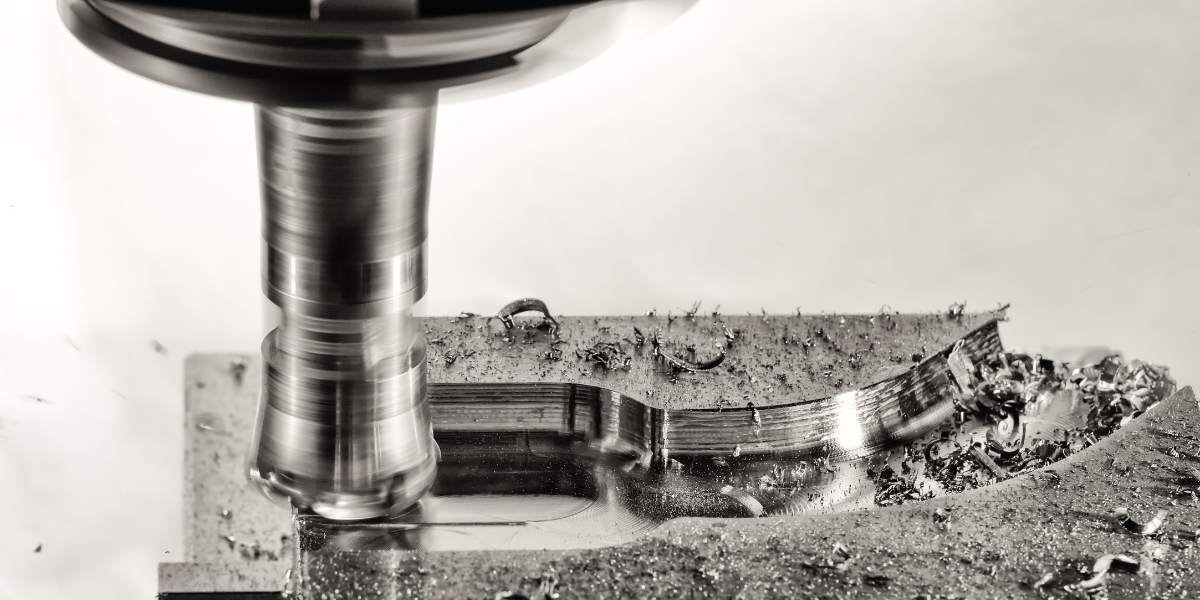
CNC machining for precision and repeatability across production runs
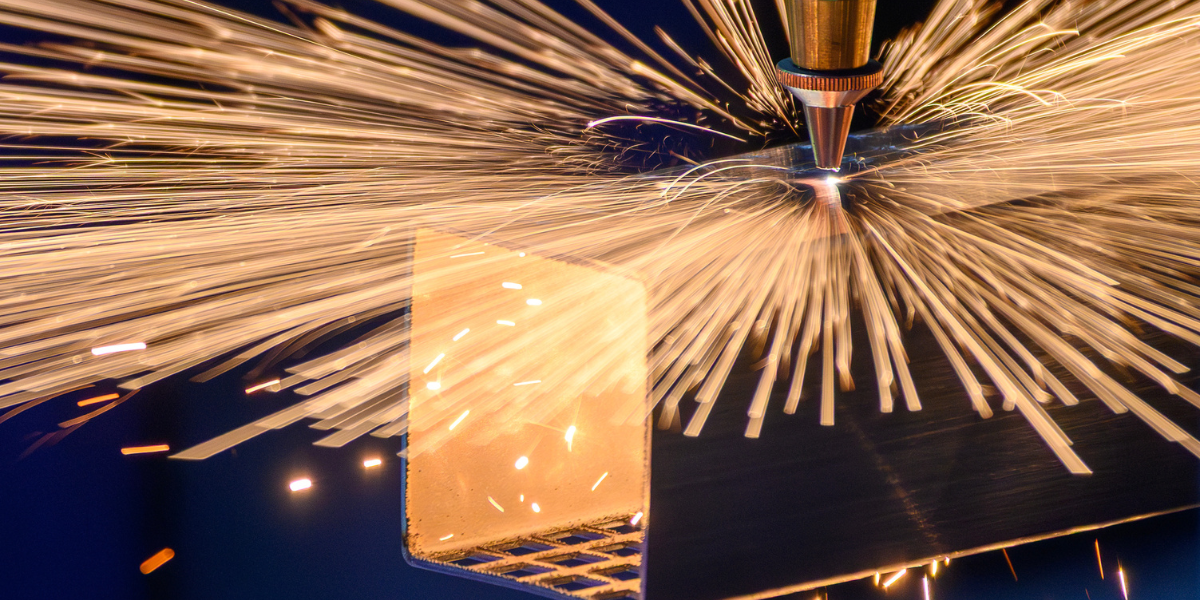
Cutting methods selected based on material type and geometry
Forming and bending to maintain structural integrity without introducing stress points
Welding and joining techniques that create strong, clean connections without compromising corrosion resistance
Surface preparation such as deburring and cleaning to remove contaminants
Finishing processes including polishing, bead blasting, anodizing, powder coating, or passivation
These steps are critical when producing custom marine grade metal components. Even high-quality materials can fail if fabrication introduces inconsistencies or leaves surfaces vulnerable to corrosion.
Applications for Marine Grade Metal Components
Marine grade metal components are not limited to boats or coastal applications. The term “marine grade” refers to materials and fabrication methods designed to withstand moisture, corrosion, and demanding environments. As a result, these components are used across a wide range of industries where durability and long-term performance are critical.
Common applications include:
Outdoor equipment and infrastructure exposed to weather
Industrial environments with moisture, chemicals, or washdown processes
Food processing equipment requiring sanitary, corrosion-resistant materials
Transportation components exposed to varying environmental conditions
Architectural features and fixtures designed for long-term outdoor use
OEM components that require consistent performance in demanding conditions
In each of these applications, corrosion resistant fabrication ensures that parts maintain their integrity and appearance over time.
Choosing the Right Fabrication Partner
For manufacturers and OEMs, selecting the right fabrication partner is just as important as choosing the right material. A reliable fabricator understands how to maintain consistency across production runs, meet tight tolerances, and deliver components that perform as expected in real-world conditions.
Look for a partner that prioritizes:
Clear communication and defined requirements from the start
Process control to ensure repeatability and consistency
Experience working with corrosion-resistant materials and finishes
Quality checks throughout production, not just at the end
The ability to scale from prototypes to full production runs
A strong fabrication partner helps eliminate uncertainty and keeps production moving without unexpected issues.
FAQ
What is corrosion resistant metal fabrication?
Corrosion resistant metal fabrication involves selecting materials and using processes that prevent rust and degradation in harsh environments, helping extend the life of metal components.
What does marine grade metal mean?
Marine grade metal refers to materials and fabrication methods designed to resist corrosion in moisture-heavy or chemically exposed environments, not just ocean applications.
What metals are best for corrosion resistance?
Stainless steel, especially 316, and aluminum alloys such as 6061 are commonly used due to their durability and resistance to corrosion.
Why does fabrication matter for corrosion resistance?
Improper cutting, welding, or finishing can weaken corrosion resistance. High-quality fabrication ensures the material performs as intended.
Where are marine grade metal components used?
They are used in outdoor equipment, industrial settings, food processing, transportation, and any application where exposure to moisture or harsh conditions is a concern.
Ready to Source Corrosion-Resistant Components You Can Rely On?
If you are sourcing components that need to perform in moisture-heavy or high-exposure environments, working with an experienced fabrication partner can make all the difference. From material selection to final finishing, every step impacts the longevity and reliability of your parts.
Contact Washington Metal Fabricators to discuss your next project and see how their team can support your production needs. You can also follow them on Facebook and LinkedIn to stay up to date on their latest capabilities and projects.
