
Custom Metal Enclosures for Data Centers and Critical Infrastructure
Custom metal enclosures play a critical role in protecting the systems that keep data centers and critical infrastructure running. From sensitive electronics to power distribution components, these environments depend on equipment that must perform consistently under demanding conditions. A well-built enclosure does more than house components. It protects, organizes, and supports long-term reliability across the entire system.
For OEMs and operators, the difference between standard and custom metal enclosures often comes down to performance. When equipment must meet specific requirements for airflow, access, and environmental protection, a one-size-fits-all solution usually falls short.
What Custom Metal Enclosures Are Designed to Protect
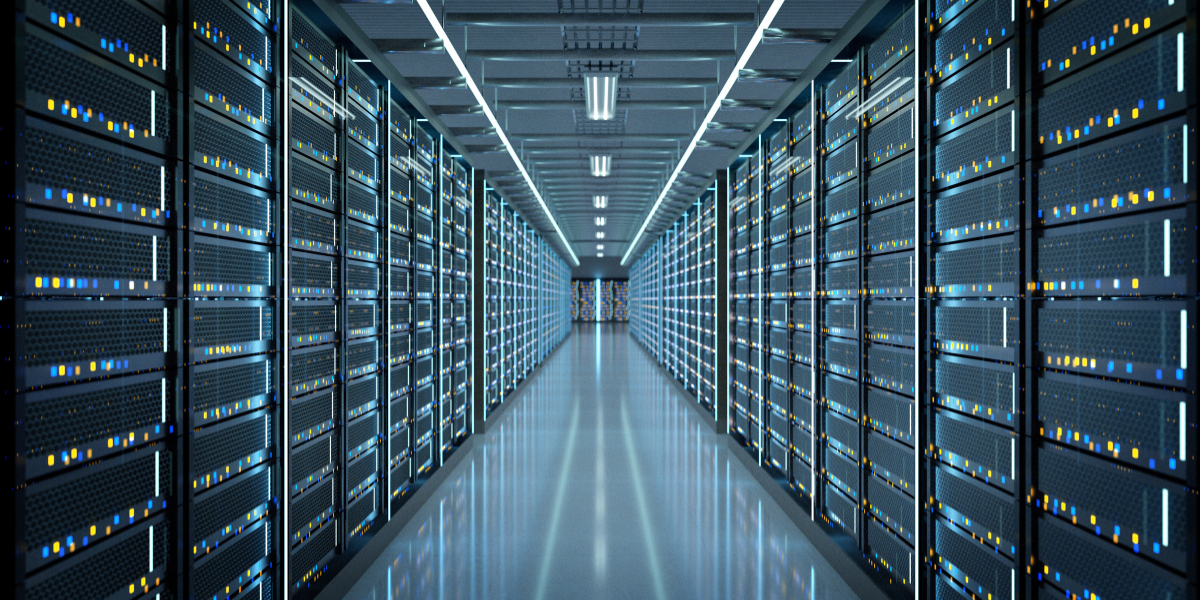
In data centers and infrastructure environments, the equipment inside an enclosure is often both valuable and sensitive. Even minor exposure to dust, moisture, or heat can impact performance or lead to failure over time.
Custom metal enclosures are commonly used to protect:
Servers and networking equipment that require stable operating conditions
Electrical panels and control systems that must remain isolated from environmental exposure
Backup power systems, including batteries and related components
Communication and monitoring equipment used in remote or industrial settings
In each case, the enclosure acts as a barrier between the equipment and the surrounding environment while still allowing for proper operation and access.
Why Standard Enclosures Fall Short in Demanding Environments
Off-the-shelf enclosures are designed to meet general needs, but real-world applications rarely follow a standard blueprint. When equipment layouts, environmental conditions, or performance requirements become more complex, those limitations start to show.
Standard enclosures often create challenges such as poor fit, limited airflow, and restricted access for maintenance. In data center environments, where precision matters, even small compromises can lead to inefficiencies. Equipment may not align properly, cooling systems may not perform as intended, and servicing becomes more difficult than it should be.
Custom metal enclosures address these issues by aligning the design with the actual application. Instead of adapting equipment to fit the enclosure, the enclosure is built to support the equipment from the start.
Key Design Considerations for Custom Metal Enclosures
Fabricating effective custom metal enclosures requires a clear understanding of how the equipment will be used and the conditions it will operate in. Material selection is one of the first decisions. Steel is often chosen for its strength and load-bearing capability, while aluminum offers a lighter option with natural corrosion resistance.
Thermal management is another critical factor. Enclosures must allow for proper airflow or heat dissipation to prevent overheating, especially in data center environments where equipment runs continuously. This may involve venting, perforations, or integration with cooling systems.
Access and serviceability also play a major role. Doors, removable panels, and internal layouts must be designed so technicians can perform maintenance without unnecessary difficulty. At the same time, security features such as locking mechanisms help protect sensitive equipment from unauthorized access.
Environmental protection is equally important. Enclosures may need to resist dust, moisture, or corrosive elements depending on their location. Finishes and coatings help extend the lifespan of the enclosure and maintain its performance over time.
Fabrication Processes Behind High-Performance Enclosures
The performance of custom metal enclosures depends heavily on how they are fabricated. Precision at every stage ensures that each enclosure meets the required specifications and performs as expected in real-world conditions.
Fabrication typically involves CNC machining for accurate components, followed by cutting and forming to create the enclosure structure. Welding and joining techniques are used to ensure strength and durability, while surface preparation removes contaminants that could affect finishing.
Finishing processes such as powder coating add an extra layer of protection and improve the overall appearance. When done correctly, these steps result in enclosures that are both durable and consistent across production runs.
Applications for Custom Metal Enclosures
Custom metal enclosures are used across a wide range of industries where protection and reliability are essential.
Common applications include:
Data centers and server environments
Telecommunications infrastructure
Industrial automation and control systems
Energy and power distribution equipment
Outdoor installations and remote equipment housing
Each of these environments presents its own challenges, and custom fabrication allows enclosures to be tailored to those specific conditions.
From Concept to Production: How Custom Enclosures Are Built
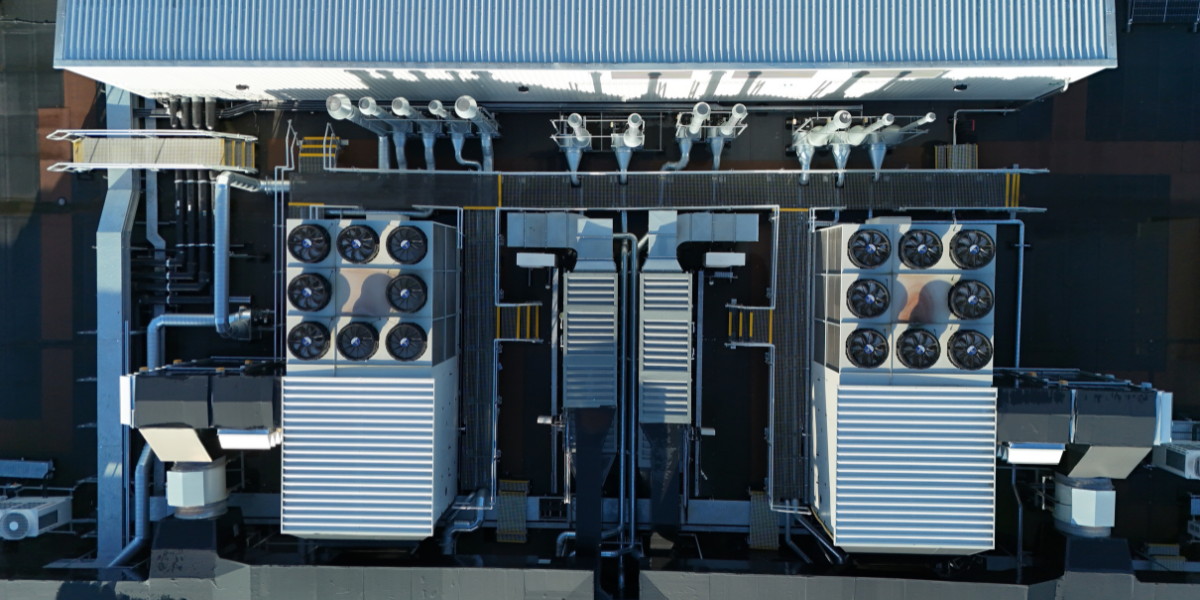
The process of creating custom fabricated metal enclosures begins with understanding the requirements of the application. This includes reviewing specifications, identifying potential challenges, and determining the best materials and fabrication methods.
Once the design is defined, prototypes or first articles may be produced to validate fit and function. This step helps ensure that the enclosure performs as expected before moving into full production. After validation, manufacturing processes are standardized to maintain consistency across every unit.
Quality control remains a priority throughout production. Each enclosure must meet the same standards to ensure reliable performance, especially in systems where multiple units are used together.
How Custom Metal Enclosures Improve Long-Term Performance
Investing in custom fabricated enclosures can have a significant impact on long-term performance. By aligning design and fabrication with the specific needs of the application, manufacturers and operators can reduce the risk of equipment failure and improve overall efficiency.
Well-designed enclosures support better thermal stability, protect against environmental damage, and make maintenance easier. Over time, this leads to fewer disruptions, longer equipment lifespans, and more predictable system performance.
For operations that depend on consistency, these benefits can make a measurable difference.
FAQ: Custom Metal Enclosures
What materials are best for custom metal enclosures?
Steel and aluminum are commonly used, depending on the need for strength, weight, and corrosion resistance.
Are custom enclosures more expensive than standard options?
They can have a higher upfront cost, but they often reduce long-term expenses by improving durability and performance.
Can custom enclosures be designed for outdoor use?
Yes. Materials, coatings, and design features can be selected to withstand weather, moisture, and other environmental factors.
What industries use custom enclosures?
Industries include data centers, telecommunications, manufacturing, energy, and any application that requires protection for sensitive equipment.
How long does it take to fabricate custom metal enclosures?
Timelines vary based on complexity and production volume, but a structured fabrication process helps maintain predictable lead times.
Need Metal Enclosures That Protect What Matters Most?
When your equipment needs to perform without interruption, the enclosure around it becomes just as important as the components inside. A well-designed and properly fabricated enclosure helps protect your systems, improve reliability, and support long-term performance.
If you are planning a project or evaluating options for custom enclosures, Washington Metal Fabricators is ready to help you move forward with confidence. Connect with their team to discuss your requirements and explore solutions that fit your application.
You can also follow Washington Metal Fabricators on Facebook and LinkedIn to stay up to date on recent projects and capabilities.
