
Airflow Management in Data Center Enclosures: Why Design Matters
As data centers continue to grow in size and complexity, managing heat has become one of the most important considerations in infrastructure design. Servers, networking equipment, power distribution systems, and other critical components generate significant amounts of heat during operation. Without proper airflow, excessive temperatures can impact performance, increase maintenance requirements, and shorten equipment lifespan.
While cooling systems often receive much of the attention, the design of data center enclosures also plays a critical role in supporting airflow and thermal management. Enclosures are responsible for protecting equipment, organizing infrastructure, and helping maintain operating conditions that support long-term reliability. Understanding how airflow affects enclosure performance can help organizations make more informed decisions when planning new installations or expanding existing facilities.
Why Airflow Matters in Data Center Enclosures
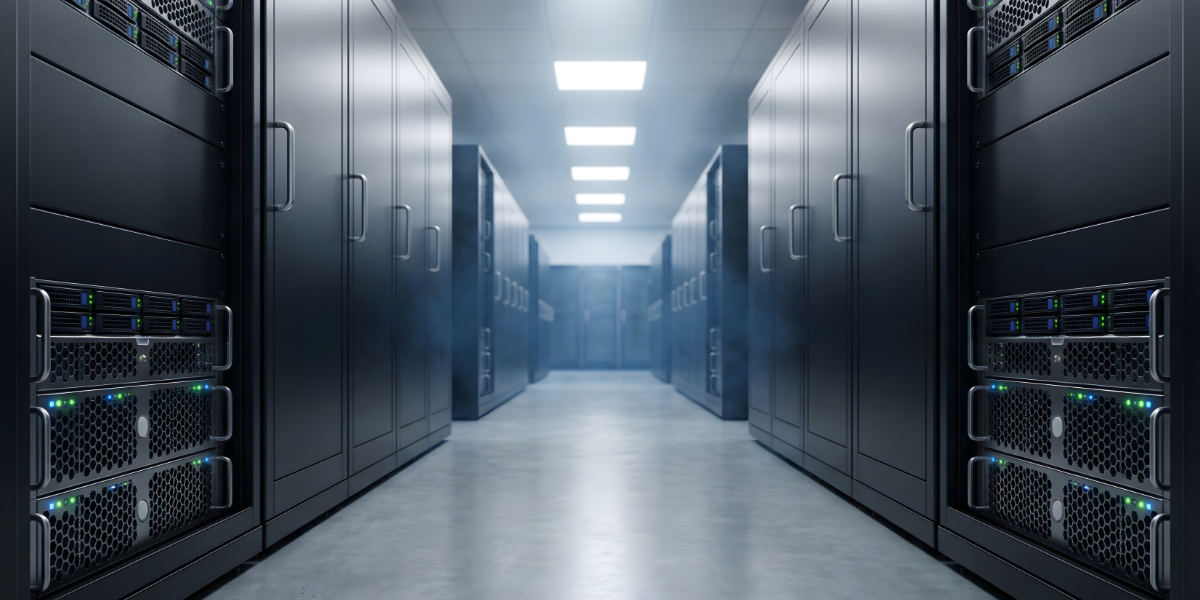
Modern data center enclosures house equipment that operates continuously and generates substantial heat. As equipment density increases, the challenge of managing that heat becomes even greater.
Proper airflow helps move heat away from critical components and supports more consistent operating temperatures throughout the enclosure. When airflow is restricted, hot spots can develop, creating uneven temperature distribution and increasing stress on equipment.
Effective airflow management in data center enclosures contributes to:
Improved equipment reliability
Reduced thermal stress on components
More consistent operating conditions
Easier maintenance and serviceability
Long-term infrastructure performance
Because cooling requirements vary by application, airflow considerations should be incorporated into enclosure planning and design from the beginning of a project.
Common Airflow Challenges in Data Center Enclosures
Several factors can impact airflow performance within data center enclosures. As equipment layouts become more complex, these challenges often become more difficult to address using standardized solutions.
One common issue is equipment density. As organizations seek to maximize available space, more equipment is often installed within a single enclosure. While this approach can improve space utilization, it may also increase heat generation and create airflow restrictions.
Cable congestion is another frequent challenge. Power cables, network connections, and communication wiring can occupy significant space within an enclosure. Poor cable routing can obstruct airflow paths and make maintenance more difficult.
Equipment placement can also influence airflow effectiveness. Components positioned too closely together may limit air circulation and contribute to localized heat buildup. Additionally, inadequate ventilation features can restrict the movement of air throughout the enclosure.
Addressing these challenges requires careful consideration of enclosure design, equipment layout, and accessibility requirements.
Common factors that can negatively impact airflow performance include:
High-density equipment installations
Restricted ventilation pathways
Excessive cable congestion
Uneven heat distribution throughout the enclosure
Limited access for maintenance and future upgrades
Poorly planned equipment placement
Design Features That Support Better Airflow
The design of data center enclosures can have a significant impact on airflow performance. Various features can be incorporated to support air circulation while maintaining equipment protection and accessibility.
Ventilated panels and perforated doors are commonly used to promote airflow throughout the enclosure. These features allow air to move more freely while still providing physical protection for equipment.
Equipment spacing is another important consideration. Proper spacing can help improve airflow paths and reduce the likelihood of heat concentration in specific areas. Enclosure designs that allow for organized equipment placement often contribute to more efficient thermal management.
Access panels and removable components can also support airflow optimization by making maintenance and cable management easier. When technicians can easily access equipment and routing pathways, it becomes simpler to maintain airflow efficiency over time.
Custom fabrication may be used to accommodate unique airflow requirements, particularly in applications involving specialized equipment or non-standard layouts.
Material and Construction Considerations
The materials and construction methods used in data center enclosures can influence both performance and durability. While airflow is a primary concern, enclosures must also provide the structural integrity needed to support equipment safely.
Steel remains a common choice due to its strength and durability. Depending on the application, other materials may be selected to address specific environmental conditions or weight requirements.
Construction quality is equally important. Well-fabricated enclosures provide consistent dimensions, secure mounting locations, and reliable performance throughout the life of the equipment. Balancing durability, accessibility, and airflow requirements is often a key part of the enclosure design process.
The Role of Custom Fabrication in Data Center Enclosure Design
Not all infrastructure projects have the same requirements. Equipment configurations, space constraints, cooling strategies, and maintenance needs can vary significantly from one application to another.
Custom fabrication allows data center enclosures to be manufactured according to the specific requirements of the equipment they support. Rather than adapting equipment to fit a standard enclosure, organizations can specify enclosure configurations that accommodate unique layouts, airflow requirements, and accessibility goals.
Custom fabricated enclosures may incorporate specialized ventilation features, unique mounting configurations, cable management accommodations, or other design elements intended to support long-term performance. This flexibility can be particularly valuable in environments where equipment density, expansion plans, or operational requirements create challenges that standard solutions cannot fully address.
Depending on the application, custom fabricated solutions may include:
Ventilated or perforated panel designs
Equipment-specific mounting configurations
Dedicated cable routing pathways
Removable access panels for maintenance
Expansion accommodations for future infrastructure growth
Structural features designed to support unique equipment layouts
By aligning enclosure specifications with application-specific requirements, custom fabrication helps create infrastructure that supports both current needs and future growth.
Optimizing Data Center Enclosures for Long-Term Performance
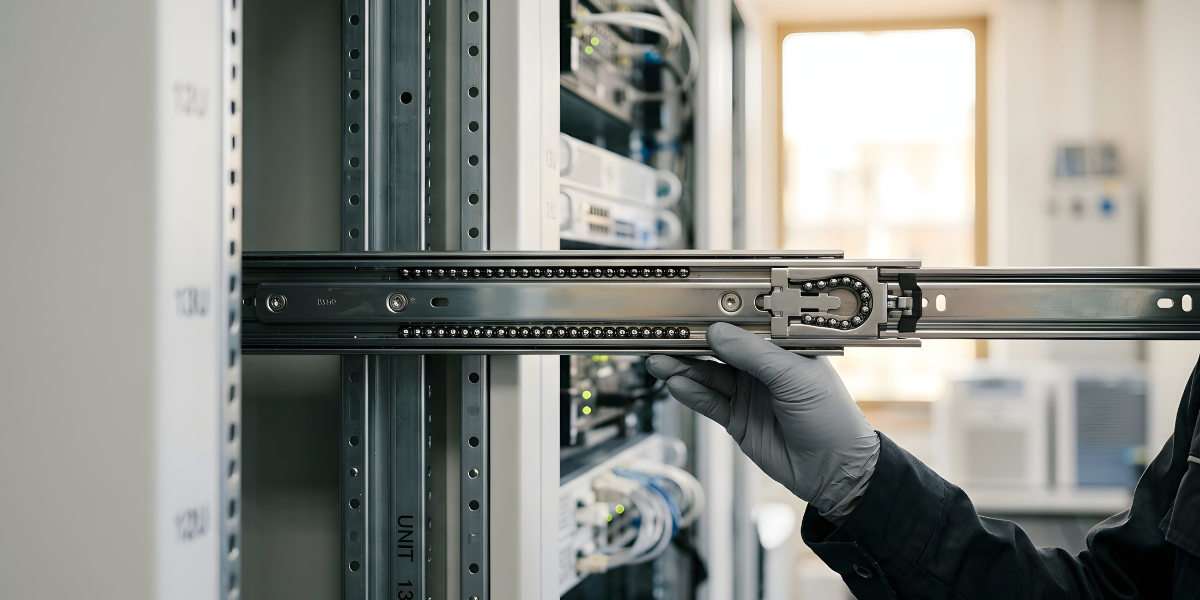
Effective airflow management is an important consideration in the design and performance of modern data center enclosures. From ventilation and equipment spacing to accessibility and future expansion, enclosure design can play a significant role in supporting cooling efficiency and long-term operational reliability. Custom fabrication allows organizations to manufacture solutions that align with their specific infrastructure requirements while addressing airflow challenges that may impact performance over time.
Organizations that prioritize airflow during the planning and fabrication process are often better positioned to support changing equipment demands and future infrastructure growth. Investing in well-designed enclosure solutions can help improve operational efficiency while supporting the long-term performance of critical systems.
To learn more about custom fabricated components, enclosures, and server rack solutions, contact Washington Metal Fabricators today. Be sure to follow us on Facebook and LinkedIn for additional industry insights, project updates, and fabrication resources.
