
Data Center Fabrication: How Precision Manufacturing Supports Critical Infrastructure
As demand for digital services continues to grow, data centers play an increasingly important role in supporting the technology infrastructure businesses rely on every day. From cloud computing and telecommunications to financial services and healthcare systems, these facilities house the equipment that keeps critical operations running. Behind the servers, networking equipment, and storage systems is another important component that often receives less attention: data center fabrication.
Data center fabrication involves the manufacturing of many of the physical components that support modern data center infrastructure. Server racks, server cabinets, data center enclosures, cable management systems, and supporting structures all rely on precision manufacturing to ensure reliability, consistency, and long-term performance. As facilities continue to expand and equipment requirements evolve, the quality of data center fabrication can have a significant impact on operational efficiency and infrastructure scalability.
The Role of Data Center Fabrication in Modern Infrastructure
Modern data centers depend on a wide range of fabricated metal components to support equipment, organize infrastructure, and maintain accessibility throughout the facility. While servers and networking hardware often receive the most attention, the supporting infrastructure is equally important to overall performance.
Precision data center fabrication helps ensure that components fit properly, function consistently, and support the demands of high-density computing environments. Manufacturing accuracy becomes especially important when facilities require multiple units, expansion projects, or equipment installations across large infrastructure footprints.
As technology requirements continue to evolve, data center fabrication remains a critical part of building reliable infrastructure that can support long-term operational goals.
Common Fabricated Components Used in Data Centers
Many of the systems found throughout modern data center infrastructure rely on precision fabricated components.
Common examples include:
Server cabinets
Data center enclosures
Equipment housings
Cable management components
Mounting brackets and support structures
Access panels and enclosure assemblies
Each of these components serves a specific purpose within the facility. Together, they help create organized, accessible, and scalable environments capable of supporting critical equipment.
Because many facilities continue to grow over time, data center fabrication often plays a key role in supporting future infrastructure expansion and equipment additions.
Why Precision Manufacturing Matters
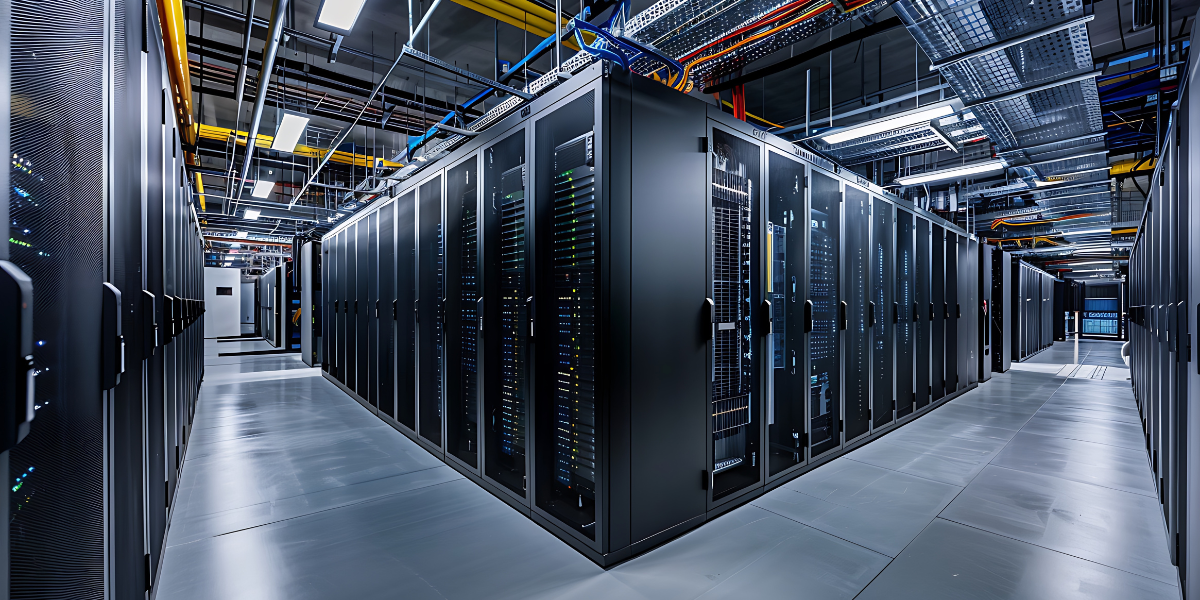
Precision manufacturing is one of the most important aspects of successful data center fabrication. Small dimensional inconsistencies can create installation challenges, reduce efficiency, and complicate future maintenance activities.
Consistent manufacturing processes help ensure that fabricated components meet project requirements while maintaining repeatability across production runs. This level of consistency becomes particularly valuable when multiple server racks, server cabinets, or data center enclosures are required within the same facility.
Precision manufacturing can help support:
Consistent fit and assembly
Reliable equipment integration
Improved installation efficiency
Repeatable production quality
Long-term infrastructure performance
As data center infrastructure grows more complex, maintaining manufacturing accuracy becomes increasingly important.
Manufacturing consistency also becomes increasingly valuable as projects scale. Whether producing a single enclosure or multiple production runs of server racks, cabinets, and supporting components, maintaining consistent dimensions and quality standards helps simplify installation and supports reliable performance across the entire project lifecycle.
Airflow Performance and Enclosure Functionality
Cooling efficiency remains one of the most important considerations in modern data centers. As equipment density increases, managing airflow throughout the facility becomes essential to maintaining reliable operating conditions.
Data center enclosures, server cabinets, and related infrastructure components can all influence airflow performance. Features such as ventilation openings, equipment spacing, and cable routing accommodations may impact cooling efficiency throughout the environment.
Proper airflow management can help support:
Consistent operating temperatures
Reduced thermal stress on equipment
Improved cooling efficiency
Long-term equipment reliability
More efficient facility operation
Organizations seeking to improve cooling performance may benefit from reviewing our article on Airflow Management in Data Center Enclosures: Why Design Matters.
Supporting Scalability and Future Growth
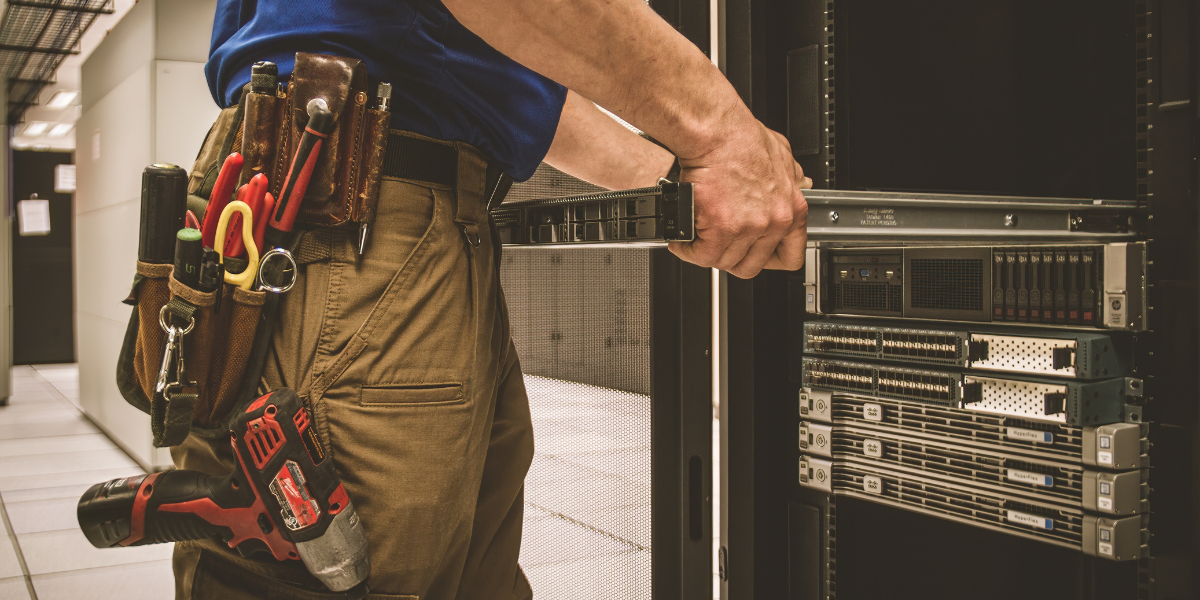
Few facilities remain unchanged over time. Additional servers, storage systems, networking equipment, and infrastructure upgrades are common as operational demands increase.
Data center fabrication can help support scalability by providing infrastructure capable of accommodating future expansion requirements. Server cabinets, equipment enclosures, and supporting assemblies often need to provide sufficient capacity, accessibility, and durability to support evolving operational needs.
Planning for future growth may involve considerations such as:
Equipment expansion requirements
Increased cabling capacity
Additional cooling demands
Future maintenance accessibility
Infrastructure flexibility
These considerations are explored further in our article, Server Cabinets: Design Considerations for Future Growth and Scalability.
Cable Management and Serviceability Considerations
As facilities expand, cable management becomes increasingly important. Large volumes of power and data cabling can create challenges related to accessibility, maintenance, and overall organization.
Effective cable management helps support efficient service activities while reducing congestion throughout server racks, server cabinets, and data center enclosures. Organized routing pathways can also simplify future equipment additions and upgrades.
Benefits of effective cable management may include:
Improved accessibility
Easier troubleshooting
Reduced maintenance time
Cleaner infrastructure layouts
Simplified future expansion
For additional insights, see our article on Cable Management Considerations for Server Rack Design and Fabrication.
Evaluating Data Center Fabrication Capabilities
When selecting a fabrication partner for data center projects, manufacturing capabilities often play a significant role in long-term project success.
Key considerations may include:
Precision manufacturing capabilities
Quality control processes
Production consistency
Material expertise
Fabrication capacity
Experience supporting critical infrastructure applications
Production flexibility can also be an important consideration. Data center projects often evolve over time, making it beneficial to work with a fabrication partner capable of supporting both initial production requirements and future expansion as infrastructure needs change.
Reliable data center fabrication requires more than producing individual components. Consistency, repeatability, and attention to detail are all important factors when supporting large-scale infrastructure projects and ongoing facility growth.
Data Center Fabrication and Long-Term Infrastructure Performance
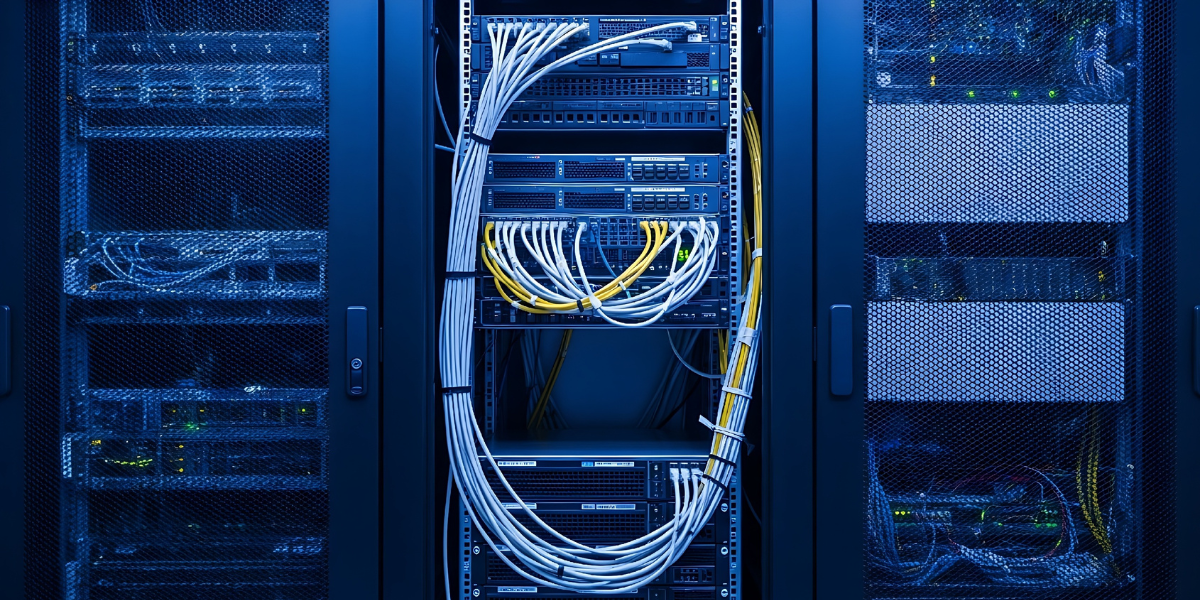
As digital infrastructure continues to expand, the importance of precision data center fabrication will continue to grow. Server racks, server cabinets, data center enclosures, and supporting components all contribute to the performance, organization, and scalability of modern facilities.
By prioritizing precision manufacturing, quality control, and production consistency, organizations can help support reliable infrastructure performance both today and in the future.
To learn more about custom fabricated server racks, server cabinets, enclosures, and metal fabrication solutions, contact Washington Metal Fabricators today.Be sure to follow us on Facebook and LinkedIn for additional industry insights, project updates, and fabrication resources.
