
Prototype Fabrication: Moving Customer Designs from Concept to Production
Moving a new product or component toward full production often requires an important step between the initial specifications and repeat manufacturing: prototype fabrication. A physical prototype gives manufacturers an opportunity to evaluate how a component comes together in the real world before committing to larger production quantities.
For fabricated metal components, this process begins with customer-provided drawings, specifications, and requirements. The fabricator uses that information to manufacture an initial part or small quantity that the customer can evaluate for fit, function, assembly, and overall performance.
This makes prototype fabrication more than simply producing the first version of a component. It can help manufacturers identify necessary changes, finalize specifications, and prepare a project for a smoother transition into production.
What Is Prototype Fabrication?
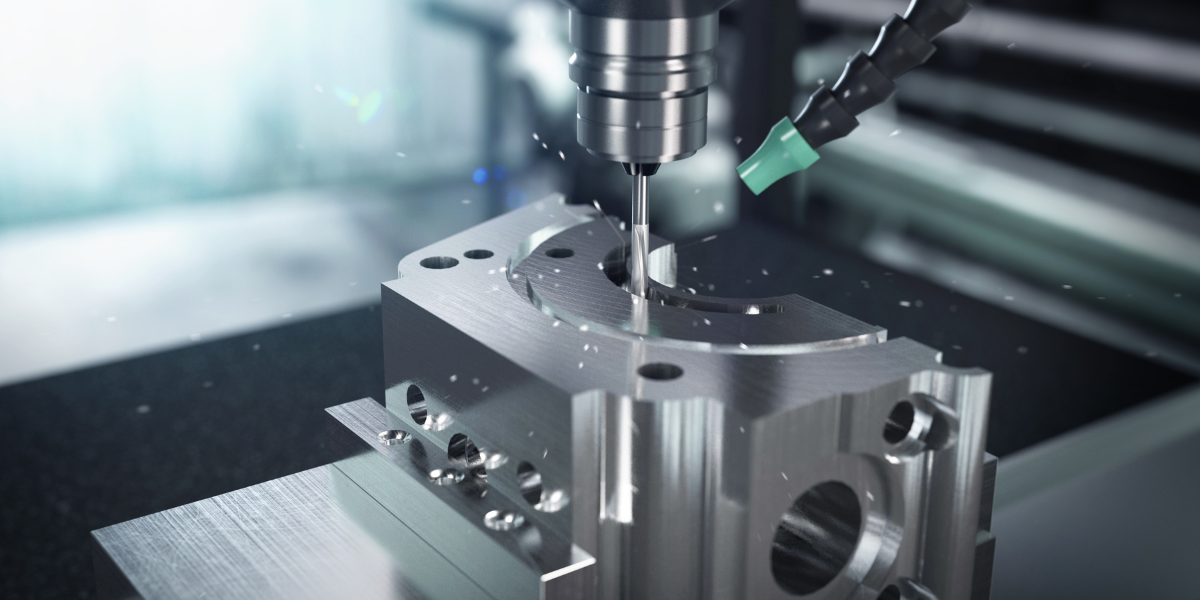
Prototype fabrication is the process of manufacturing an initial physical version of a component from established drawings and specifications before moving into larger-scale production.
Depending on the project, a prototype may be a single component or a small quantity of parts produced for evaluation. The goal is to give the customer something tangible that can be inspected, assembled, installed, or tested within its intended application.
For metal components, prototype fabrication may involve many of the same manufacturing processes that will eventually be used during production. Depending on the specifications, this can include cutting, forming, welding, machining, assembly, finishing, and other fabrication processes.
The resulting prototype allows the customer to compare the physical component against the requirements established for the project and determine whether it is ready to move forward.
Why Prototype Fabrication Matters Before Production
A drawing provides detailed information about a component, but manufacturing a physical version can reveal considerations that are difficult to evaluate until the part actually exists.
A prototype may need to fit within an existing assembly, connect to other components, accommodate hardware, support equipment, or perform a specific function within a larger product. Producing an initial version allows the customer to evaluate those factors before the same component is manufactured in greater quantities.
Prototype fabrication can give manufacturers an opportunity to evaluate:
Component dimensions and fit
Alignment with mating parts
Assembly requirements
Mounting locations
Accessibility
Material selection and thickness
Overall functionality within the intended application
Whether customer specifications need to be revised before production
If the customer identifies an issue, the specifications can be updated before the project moves into a larger production run.
Finding those issues early can help prevent unnecessary material use, production delays, and the cost of reproducing the same problem across multiple parts.
Turning Customer Specifications Into a Physical Prototype
Successful prototype fabrication starts with clear manufacturing information.
Customers typically provide the drawings, dimensions, tolerances, material requirements, finishes, and other specifications necessary to manufacture the component. The fabricator then reviews those requirements from a manufacturing standpoint and determines the processes needed to produce the part according to the supplied information.
This stage may involve confirming details such as material availability, tolerances, fabrication processes, quantities, and finishing requirements before manufacturing begins.
Once those requirements are established, the prototype can move through the appropriate fabrication processes.
Accuracy is particularly important at this stage. The purpose of producing the prototype is to give the customer a useful representation of the component they have specified. Maintaining the dimensions and requirements provided by the customer allows the resulting part to be evaluated effectively.
Evaluating a Fabricated Prototype
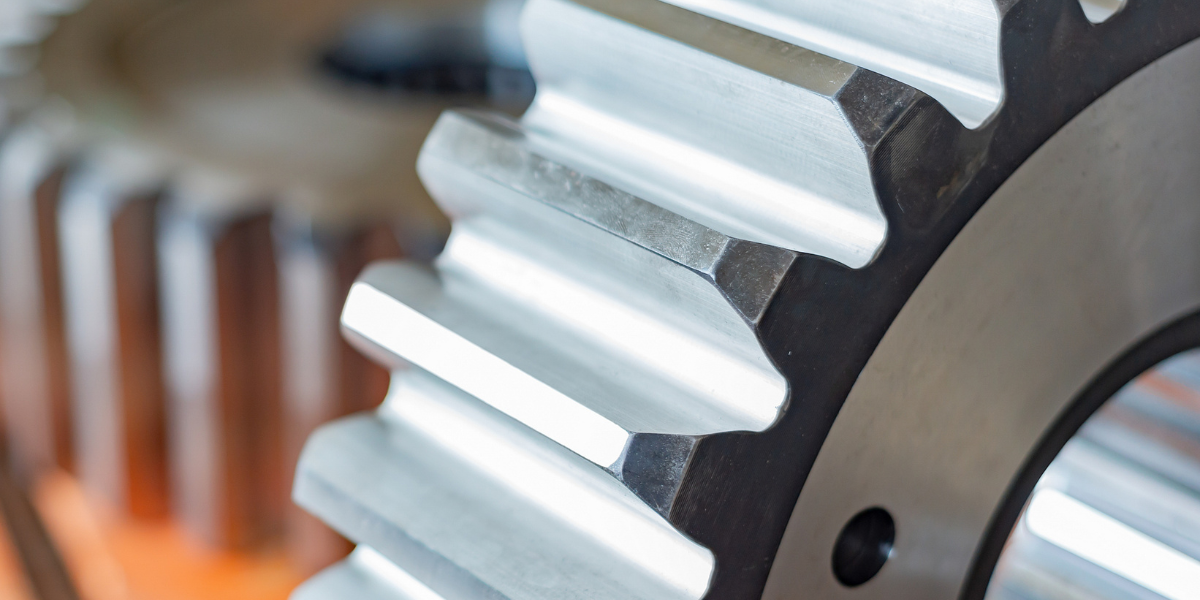
Once a prototype has been manufactured, the customer can evaluate it in the context of the larger product or application.
The exact evaluation process will vary depending on what the component is intended to do. Some prototypes may be installed into an assembly to verify fit. Others may be evaluated for accessibility, mounting, clearances, structural requirements, or interaction with surrounding components.
This physical evaluation can help answer practical questions before production begins.
Does the component fit as intended? Are mounting locations correct? Can other parts be installed or accessed properly? Does the material meet the requirements of the application? Does the finished component function as expected within the larger assembly?
If the prototype meets the customer's requirements, the project may be ready to progress toward production. If changes are needed, the customer can revise the drawings or specifications and have another prototype manufactured before approving the component for repeat production.
Prototype Fabrication Can Reduce Production Risk
The cost of correcting an issue generally becomes more significant once larger quantities have already been manufactured.
If a problem exists in the specifications for a single prototype, the customer has an opportunity to address it before that issue is repeated across dozens or hundreds of components. That makes prototype testing and fabrication a valuable checkpoint between product development and production manufacturing.
The process can help reduce risks associated with:
Incorrect fit or dimensions
Assembly complications
Material or thickness requirements
Mounting and accessibility issues
Unexpected interactions with other components
Reworking larger quantities of finished parts
Production delays caused by late-stage changes
This does not mean every project requires multiple prototype rounds. Some customer designs may move from an initial prototype into production with few or no changes. More complex components may require additional evaluation before specifications are finalized.
The important part is having an opportunity to verify the physical component before committing to greater production quantities.
Preparing a Prototype for Production Metal Fabrication
A successful prototype is not necessarily the end of the process. For OEMs and other manufacturers, it is often the beginning of the transition toward repeat production.
Once the customer has evaluated the prototype and finalized the specifications, attention can shift toward producing the component consistently and efficiently at the quantities required.
At this stage, several priorities become increasingly important:
Repeatability between parts
Consistent materials and fabrication processes
Quality control
Production capacity
Lead times
Efficient manufacturing workflows
Consistency across future production runs
The transition is significant because the manufacturing goal changes. During prototype fabrication, the focus is on producing and evaluating an initial physical component. During production metal fabrication, the focus becomes reliably reproducing an approved component according to established requirements.
For a deeper look at this transition, read When to Transition from Prototype Fabrication to Production Metal Fabrication.
The Value of Working With the Same Fabrication Partner From Prototype Through Production
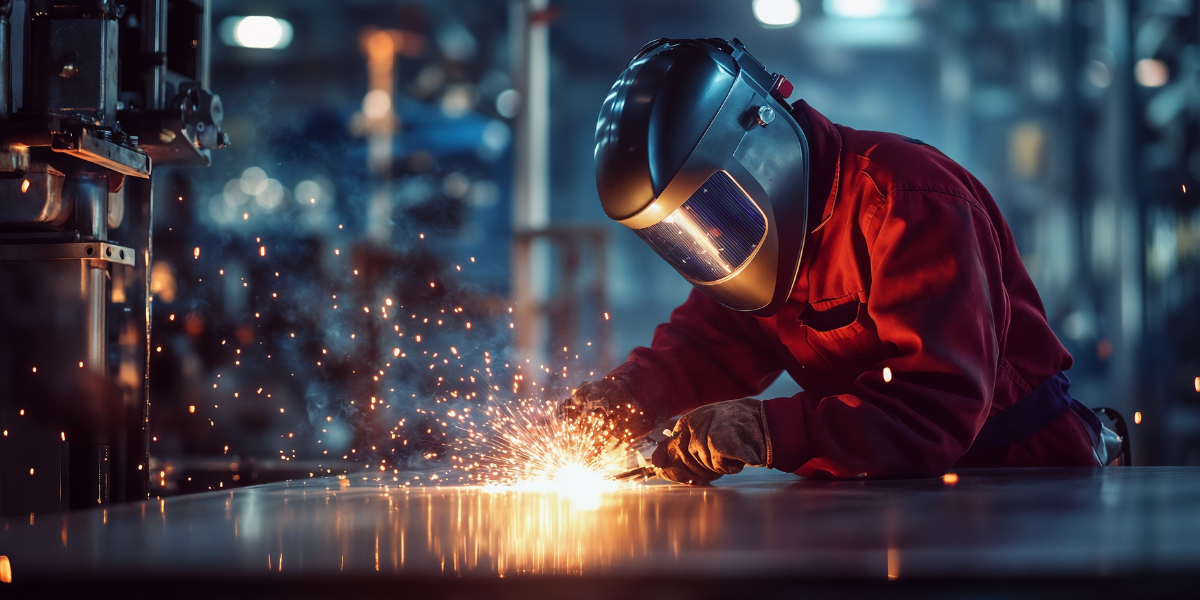
When possible, there can be advantages to working with a fabrication partner capable of supporting both prototyping and ongoing production.
The fabricator becomes familiar with the customer's drawings, materials, manufacturing requirements, and fabrication processes during the prototype stage. If the component progresses into production, that familiarity can carry forward rather than requiring the customer to establish the project with an entirely new manufacturer.
Using the same fabrication partner can also provide continuity between the approved prototype and subsequent production runs. The processes used to manufacture the initial component can help establish the foundation for repeatable production once specifications are finalized.
For OEMs in particular, that continuity can become valuable as production requirements grow. A project may begin with a prototype, move into an initial production run, and eventually require recurring or higher-volume orders.
This relationship is one part of a larger OEM manufacturing strategy in which specialized manufacturing partners support different components of the finished product.
What to Look for in a Prototype Fabrication Partner
Choosing a qualified fabrication partner should involve looking beyond whether a shop can manufacture a single part.
If the component is expected to move into production, it can be beneficial to consider whether the fabricator has the capabilities to support the project beyond the prototype stage.
Important considerations may include:
Experience working from detailed customer drawings and specifications
Fabrication capabilities appropriate for the component
Experience with the required materials
Ability to maintain dimensional consistency
Quality control processes
Communication throughout the fabrication process
Capacity to support future production quantities
Experience transitioning components from prototype to repeat manufacturing
Working with a fabricator that can support both stages can help create a more consistent path from the first physical component to ongoing production.
From Prototype Fabrication to Long-Term Production
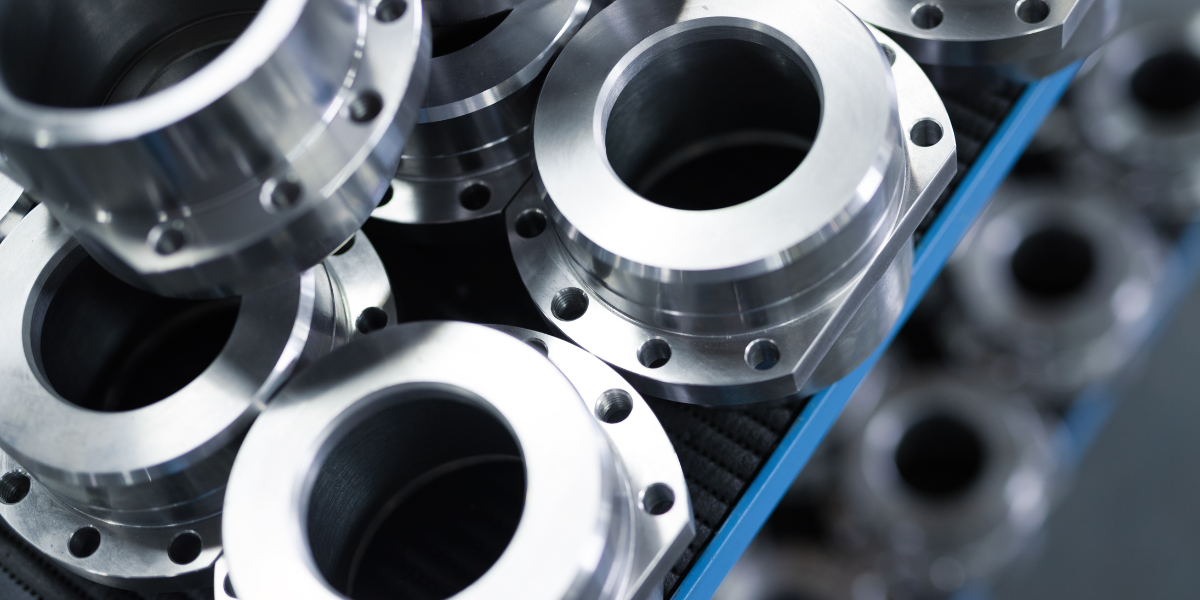
Prototype fabrication provides manufacturers with an opportunity to turn customer-developed specifications into a physical component and evaluate that component before larger quantities are produced.
For products that eventually require repeat manufacturing, the prototype stage can establish an important foundation for what comes next. Once the customer has verified the component and finalized its specifications, the focus can move toward consistency, repeatability, production efficiency, and scale.
Washington Metal Fabricators works from customer-provided drawings and specifications to manufacture custom metal components for prototype and production applications. Our fabrication capabilities allow us to support customers as projects move from initial prototypes into repeat production.
If you are preparing a fabricated metal component for prototype or production manufacturing, contact Washington Metal Fabricators today to discuss your project requirements. Be sure to follow us on Facebook and LinkedIn for additional industry insights, project updates, and fabrication resources.
