
When to Transition from Prototype Fabrication to Production Metal Fabrication
Creating a successful prototype is an important milestone in bringing a fabricated metal component toward production. It gives manufacturers an opportunity to evaluate a physical part and identify any changes that may be necessary before larger quantities are produced.
But a completed prototype does not automatically mean a component is ready for repeat manufacturing. Before moving into production metal fabrication, the customer should be confident that the component meets its requirements, the drawings and specifications have been finalized, and the project is ready to shift from evaluation to consistent production.
Understanding when to make that transition can help manufacturers establish a stronger foundation for repeat manufacturing.
What Is Production Metal Fabrication?
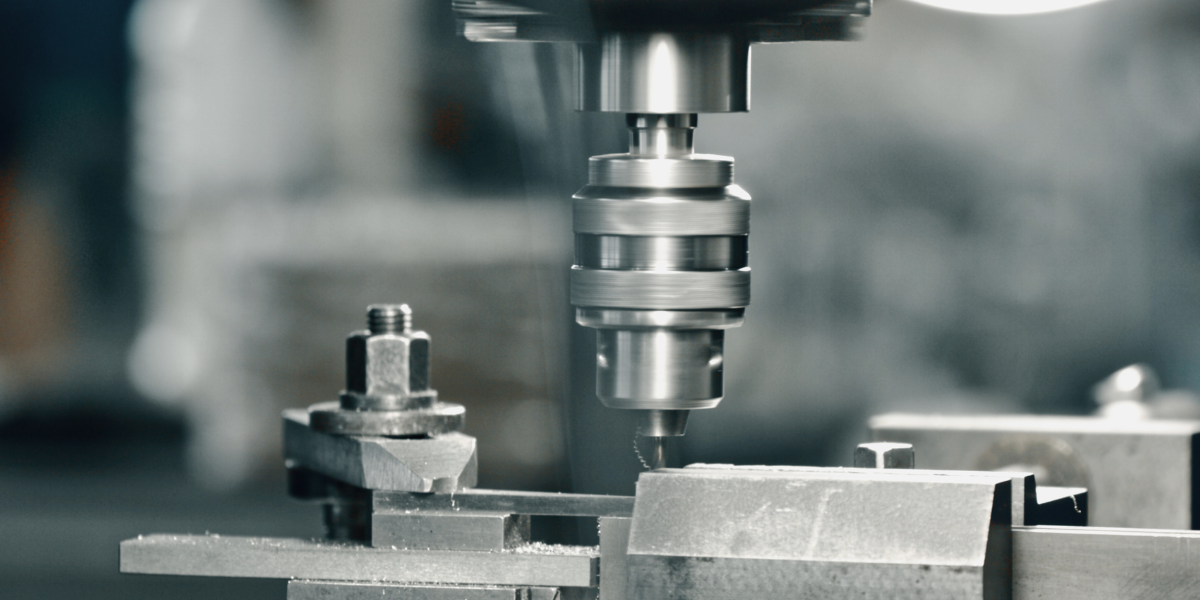
Production metal fabrication is the repeat manufacturing of fabricated metal components according to established customer drawings and specifications. Rather than producing an initial component for evaluation, the focus shifts toward manufacturing approved components consistently at the quantities the customer requires.
Production quantities can vary considerably. One manufacturer may need a single production run, while another may require components on a recurring basis throughout the life of a product. Production metal fabrication does not necessarily mean extremely high-volume manufacturing. What defines the production stage is the shift toward repeatable manufacturing based on finalized requirements.
Prototype Fabrication vs. Production Metal Fabrication
Prototype fabrication and production metal fabrication are closely connected, but they serve different purposes.
During prototype fabrication, an initial component or small quantity is manufactured from customer-provided drawings and specifications. The customer can then evaluate the physical component and determine whether any changes are necessary before moving forward.
At the production stage, those requirements have been established and the focus changes from evaluating the component to reproducing it consistently.
The key differences include:
Purpose: Prototype fabrication focuses on creating a physical component for customer evaluation, while production metal fabrication focuses on repeat manufacturing.
Specifications: During prototyping, the customer may still make changes to the component. Before production begins, drawings and specifications should be finalized.
Quantity: Prototype work typically involves an initial component or small quantity, while production involves established quantities and may include ongoing repeat orders.
Manufacturing priorities: Prototyping prioritizes producing a component the customer can evaluate. Production places greater emphasis on consistency, repeatability, scheduling, and efficient manufacturing.
The transition from prototype to production is therefore more than an increase in quantity. It represents a change in the purpose and priorities of the manufacturing process.
For a closer look at the earlier stage, read Prototype Fabrication: Moving Customer Designs from Concept to Production.
Signs a Component Is Ready for Production Metal Fabrication
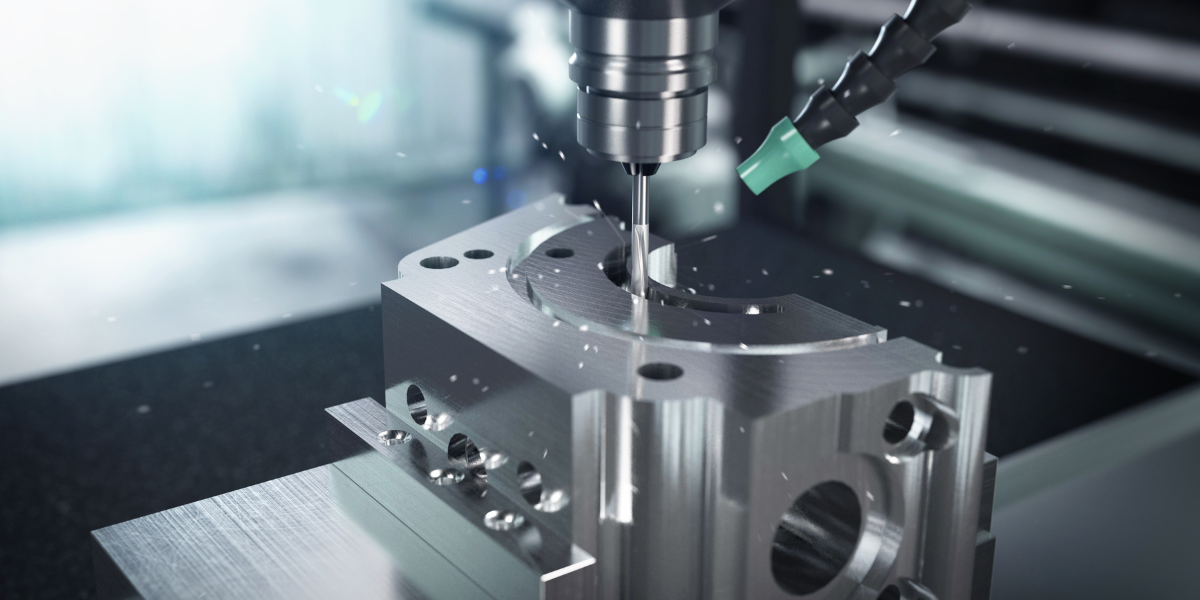
There is no specific quantity or timeline that determines when a component is ready. Instead, manufacturers should consider whether the component and its requirements have been sufficiently established for repeat production.
The Prototype Has Been Evaluated
Before moving forward, the customer should have an opportunity to evaluate the prototype within its intended application. This may include checking fit with surrounding parts, mounting locations, accessibility, material requirements, or how the component functions within a larger assembly.
If that evaluation identifies necessary changes, they can be addressed before production quantities are manufactured.
Drawings and Specifications Are Finalized
Production depends on clear, established manufacturing requirements. Customer-provided drawings and specifications should reflect the component approved for manufacturing.
Depending on the project, these requirements may include:
Dimensions and tolerances
Material type and thickness
Finishing requirements
Mounting locations
Hardware or assembly requirements
Other application-specific specifications
Finalized requirements give the fabricator a consistent standard to follow throughout production.
The Component Is Approved for Repeat Manufacturing
A prototype may physically exist without being ready for production. The customer should determine that the component meets its requirements and is ready to be manufactured repeatedly.
Once approved, the fabrication process can shift away from evaluation and toward reliably reproducing the established component.
Production Requirements Are Established
Before production begins, the fabricator should have a clear understanding of the immediate quantity and schedule requirements.
It can also be useful to consider what may happen after the initial production run. If the component will require recurring orders or quantities may increase over time, understanding those expectations can help determine whether the fabrication partner is equipped to provide ongoing support.
What Changes When Moving From Prototype to Production?
Once a component has been approved, manufacturing priorities change.
During prototyping, the objective is creating a physical component the customer can evaluate. During production, the goal becomes manufacturing that approved component consistently at the required quantities.
Greater emphasis is placed on:
Repeatable fabrication processes
Material planning
Production scheduling
Quality control
Consistency across production runs
Efficient manufacturing workflows
The shift into production metal fabrication therefore involves more than simply repeating the prototype process several times. Manufacturing must now support consistency and repeatability across the customer's required quantities.
Why Repeatability Matters in Production Metal Fabrication
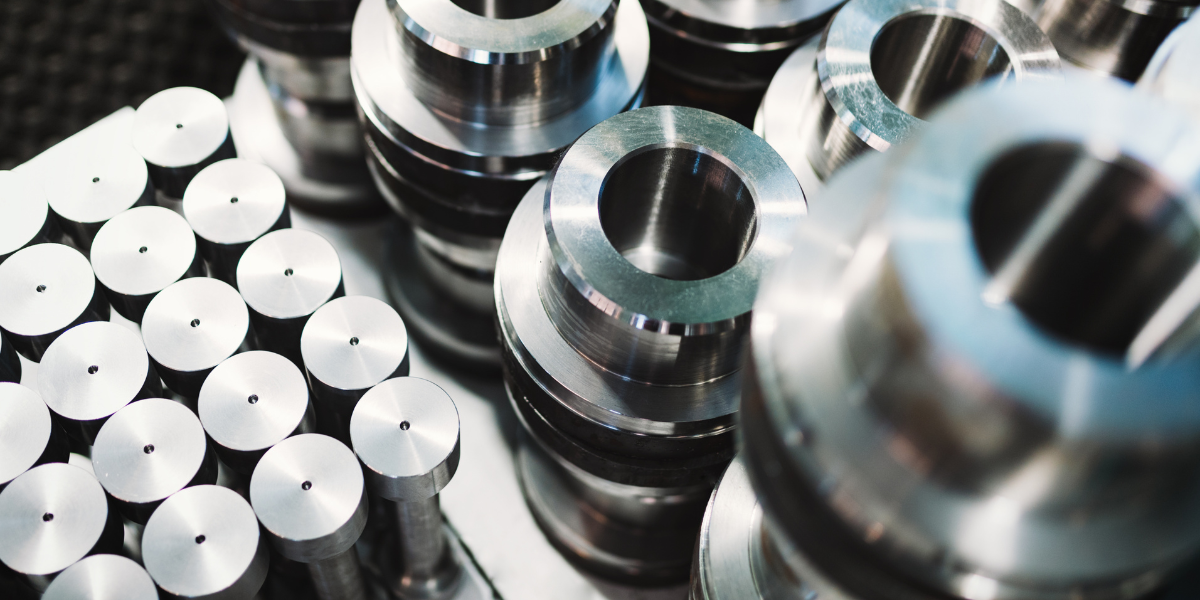
A customer may require components across multiple production runs at different points throughout the life of a product. Regardless of when those components are manufactured, they need to continue meeting the established requirements.
Consistent dimensions, materials, tolerances, finishes, and other specifications can help components fit predictably within larger products and assemblies. Quality control also helps verify that manufactured components remain consistent with customer requirements throughout production.
For manufacturers, that repeatability can make downstream assembly more predictable while reducing complications when fabricated components reach the next stage of production.
Planning for Production Quantities
Production quantities affect material requirements, scheduling, equipment availability, and fabrication capacity.
An initial production run may be relatively modest, particularly for a new product. If demand increases, subsequent orders may become larger or more frequent. Other products may require consistent quantities on an established schedule.
Before beginning production, manufacturers and their fabrication partners should have a clear understanding of factors such as:
Expected order quantities
Frequency of repeat orders
Material requirements
Production schedules
Required lead times
Potential future demand
This also gives manufacturers an opportunity to evaluate whether the fabricator has the capabilities and capacity necessary to support the project beyond the prototype stage.
The Value of Continuity From Prototype to Production
There can be advantages to working with a metal fabrication partner capable of supporting both prototype and production requirements.
During the prototype stage, the fabricator becomes familiar with the customer's drawings, specifications, materials, and manufacturing requirements. If that same partner moves forward with production, this familiarity can carry into subsequent manufacturing.
Continuity can become particularly valuable when the relationship extends into ongoing OEM metal fabrication. As repeat orders or production quantities grow, an established fabrication partner can continue supporting the component using the requirements established during the earlier stages of the project.
For more on this relationship, read How OEM Metal Fabrication Helps Manufacturers Scale Production.
Supporting Long-Term Production Requirements
The first production run may only be the beginning of a component's manufacturing lifecycle. An established product may require additional production runs, changing quantities, or ongoing fabrication support.
Choosing a fabrication partner with both prototype and production capabilities can help support those evolving requirements. This can be particularly important within broader OEM manufacturing, where outside manufacturing partners may supply components throughout the life of a finished product.
Our article OEM Manufacturing: Why Choosing the Right Metal Fabrication Partner Matters explores what manufacturers should consider when establishing these longer-term supplier relationships.
Production Metal Fabrication at Washington Metal Fabricators
Washington Metal Fabricators works with manufacturers and OEMs to produce custom metal components from customer-provided drawings and specifications.
For projects beginning at the prototype stage, WMF can manufacture initial components for customer evaluation. Once the customer has approved the component and finalized its requirements, WMF can continue supporting the project as it moves into production metal fabrication.
For established products, WMF can also manufacture components from existing customer drawings and specifications to support ongoing production needs. Whether a customer requires an initial production run or recurring orders, the goal is to manufacture components consistently according to the established project requirements.
Moving From Prototype to Production With Washington Metal Fabricators

The right time to transition from prototype fabrication to production metal fabrication is not determined by a specific quantity. It occurs when the customer has evaluated the component, approved it for manufacturing, finalized the drawings and specifications, and established the requirements for production.
At that point, the focus shifts from evaluating an initial component to repeatability, consistency, production planning, and reliable manufacturing across the quantities required.
Washington Metal Fabricators supports customers through both prototype and production manufacturing, working from customer-provided drawings and specifications to produce custom fabricated metal components.
If your component has completed the prototype stage or you need a fabrication partner for an established production project, contact Washington Metal Fabricators today to discuss your production metal fabrication requirements. Be sure to follow us on Facebook and LinkedIn for additional industry insights, project updates, and fabrication resources.
