
How OEM Metal Fabrication Helps Manufacturers Scale Production
Growth creates new opportunities for manufacturers, but it can also place additional pressure on production. As demand increases, OEMs may need larger quantities of fabricated components, more frequent production runs, and reliable turnaround without sacrificing the consistency of the finished product.
Scaling successfully involves more than simply making more parts. Components still need to meet established specifications, fit consistently within assemblies, and arrive when they are needed to keep production moving. For manufacturers that rely on fabricated metal components, an experienced OEM metal fabrication partner can provide the capabilities and production support needed as those requirements grow.
Washington Metal Fabricators works with OEM customers to manufacture custom metal components from customer-provided drawings and specifications. By supporting both prototype and production requirements, WMF can provide continuity as projects progress from initial fabrication into ongoing manufacturing.
What Is OEM Metal Fabrication?
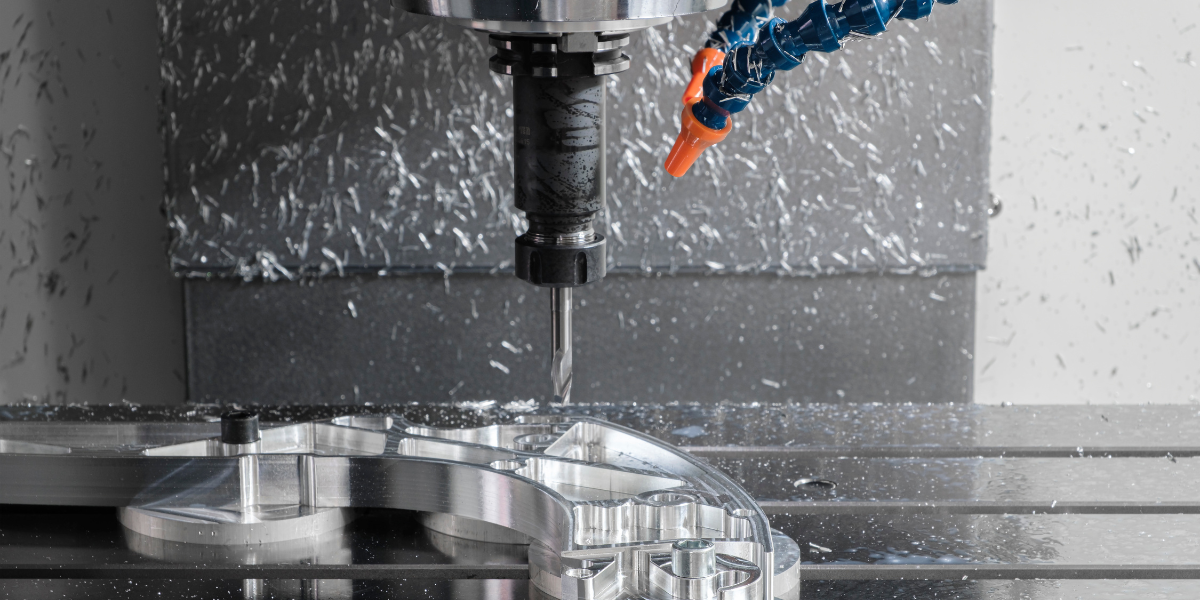
OEM metal fabrication is the manufacturing of metal components or assemblies that will become part of an original equipment manufacturer's finished product, equipment, or system.
The OEM establishes the requirements for the component, including drawings, dimensions, tolerances, materials, quantities, finishes, and other specifications. The fabrication partner then manufactures the component according to those requirements.
Depending on the application, fabricated OEM components may include:
Equipment enclosures and housings
Cabinets
Frames
Panels
Brackets
Tanks
Structural components
Custom metal assemblies
Unlike a one-time custom fabrication project, an OEM relationship may require the same components to be manufactured repeatedly throughout the life of a product. That makes repeatability, production capacity, and consistency particularly important.
OEM metal fabrication is one part of the broader OEM manufacturing process, where manufacturers often rely on specialized suppliers to provide the individual components and assemblies required for their finished products.
Why Scaling Production Creates New Manufacturing Challenges
Scaling looks different for every OEM. It may mean larger production runs, more frequent repeat orders, new product introductions, or simply needing additional fabricated components as demand increases.
As those requirements grow, additional material must be coordinated, production schedules become more important, and existing equipment and personnel may face greater demands. A fabrication process that works well for an initial order must also be capable of supporting increased production without sacrificing consistency.
Common challenges associated with growth can include:
Larger or more frequent component orders
Increased material requirements
Greater demand on equipment and personnel
More complex production scheduling
Maintaining consistency across larger quantities
Meeting established lead times
Coordinating fabrication with downstream assembly
Growth can also fluctuate over time. Manufacturers may experience periods of increased demand, introduce additional products, or require different quantities throughout the year. Having fabrication resources capable of responding to changing production requirements can help OEMs maintain flexibility as those needs evolve.
Expanding Production Without Expanding In-House Fabrication
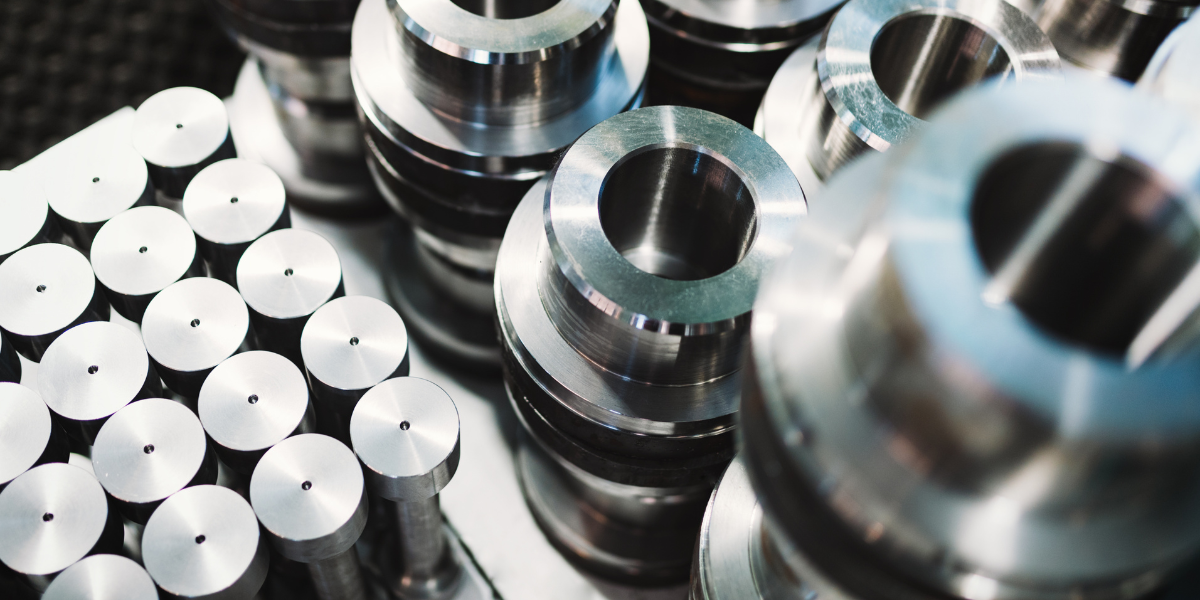
Adding internal manufacturing capacity can be a significant undertaking.
Depending on the components being produced, an OEM may need additional fabrication equipment, more floor space, trained operators, equipment maintenance, and additional resources to manage the increased workload. For companies whose primary focus lies elsewhere, building every required fabrication capability internally may not make sense.
Working with an established OEM metal fabrication partner provides another option.
Instead of adding every fabrication process in-house, manufacturers can use the equipment, capabilities, and production resources of an outside fabricator to manufacture components according to their specifications.
This can allow an OEM to increase access to fabrication capacity while keeping internal resources focused on its core operations.
The value isn't simply outsourcing a task. A long-term fabrication relationship gives the manufacturer access to specialized processes and production capabilities that can continue supporting the product as requirements evolve.
Maintaining Consistency as Production Grows
One of the biggest challenges of scaling any manufacturing process is maintaining repeatability.
Producing one component that meets the customer's specifications is important. Producing that same component consistently across future orders requires reliable manufacturing processes.
For fabricated components, repeatability may involve maintaining established dimensions, tolerances, materials, mounting locations, finishes, and other customer requirements from one production run to the next.
Reliable OEM metal fabrication can help support:
Consistent component dimensions
Predictable fit within larger assemblies
Repeatable production results
More efficient downstream assembly
Consistency between separate production runs
Reliable finished product quality
For an OEM, that repeatability helps make subsequent production more predictable. Components manufactured during later runs should continue to integrate with the same assemblies and meet the requirements established for the product.
How Washington Metal Fabricators Supports OEM Production
Fabricated components may require several manufacturing processes before they are ready to become part of a customer's finished product. Having access to the appropriate fabrication capabilities can help simplify that process and maintain consistency as production requirements grow.
Washington Metal Fabricators manufactures custom metal components according to customer-provided drawings and specifications. Depending on the project, components can move through multiple fabrication processes as they progress toward completion.
Supporting both prototype and production work also allows WMF to work with customers at different stages of the manufacturing lifecycle. A project may begin with a prototype or initial quantity before progressing into repeat orders as specifications are finalized and production requirements increase.
For established products, WMF can also serve as an ongoing fabrication resource for manufacturers that need components produced according to existing specifications.
This flexibility allows OEM customers to use outside fabrication capacity without shifting responsibility for their product requirements. The customer maintains control of the drawings and specifications while WMF focuses on manufacturing the required components consistently.
Quality Control at Production Scale
Quality control helps ensure that the repeatability established for a project is maintained throughout production.
As components are manufactured, verifying them against customer requirements can help identify deviations before they continue through additional parts or processes. This becomes particularly valuable when components will move directly into another assembly or stage of the customer's manufacturing operation.
Depending on project requirements, quality checks may address dimensions, materials, fabrication quality, or other specifications established by the customer.
Effective quality control can help support:
Conformance with customer specifications
Consistency throughout a production run
Reliable downstream assembly
Reduced risk of rework
Consistency between repeat orders
For OEMs, this helps create a more predictable supply of fabricated components as production continues.
From Prototype Fabrication to Ongoing OEM Production
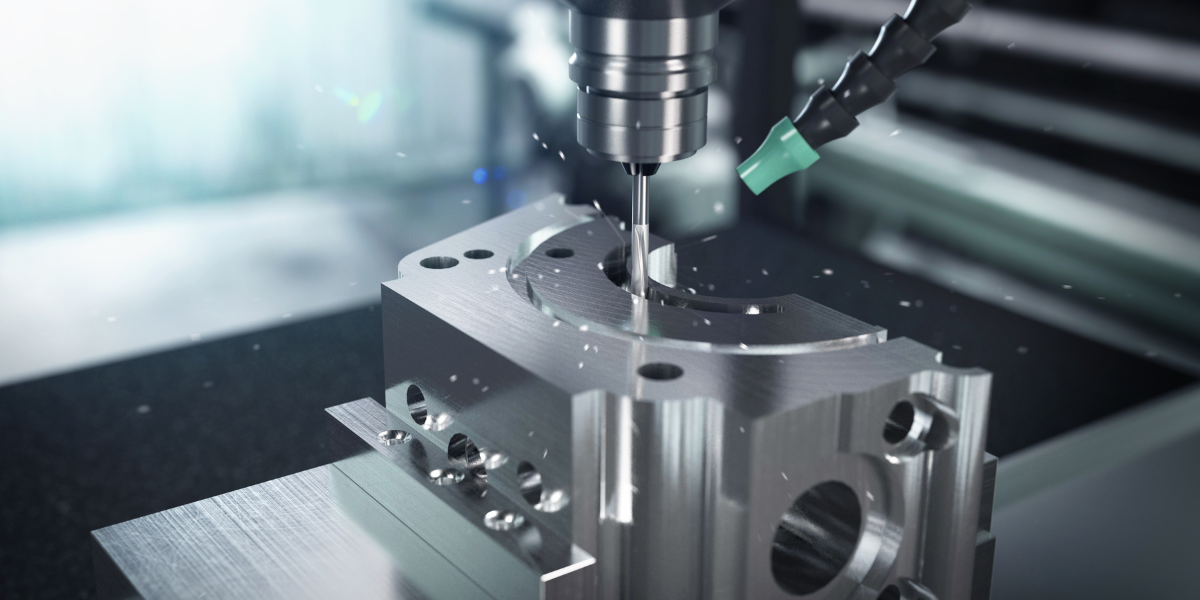
Some OEM projects begin with prototype fabrication before progressing into repeat production. Working from customer-provided drawings and specifications, a fabricator can manufacture an initial component for the customer to evaluate before larger quantities are required.
Once the customer has evaluated the prototype and finalized its specifications, the project can move toward ongoing production. Working with a fabrication partner capable of supporting both stages can provide continuity as manufacturing requirements change.
Our article Prototype Fabrication: Moving Customer Designs from Concept to Production takes a closer look at the prototype stage, while When to Transition from Prototype Fabrication to Production Metal Fabrication explores the next step into repeat manufacturing.
Choosing an OEM Metal Fabrication Partner for Growth
A fabrication partner that meets today's requirements should also be evaluated based on its ability to support tomorrow's production needs.
When comparing potential partners, OEMs may want to consider:
Fabrication capabilities appropriate for the required components
Experience working from customer-provided drawings and specifications
Ability to support prototype and production quantities
Production capacity
Repeatability across production runs
Quality control processes
Experience with required materials
Communication and responsiveness
Ability to support changing production requirements
Price and lead time remain important, but they are only part of the relationship. A manufacturer that expects continued growth should also consider whether a fabrication partner can provide the consistency and production support required over the long term.
The goal is not simply to find a supplier capable of manufacturing the next order. It is to establish a relationship that can continue supporting production as requirements evolve.
Scaling Production With Washington Metal Fabricators

Successful growth requires more than additional production capacity. OEMs also need consistent components, repeatable manufacturing, reliable quality, and fabrication resources capable of supporting changing requirements.
The right OEM metal fabrication partner can provide access to specialized capabilities and additional production resources without requiring manufacturers to build every fabrication process internally.
Washington Metal Fabricators works from customer-provided drawings and specifications to manufacture custom metal components for prototype and production applications. Whether a project is preparing to move into production, requires ongoing repeat manufacturing, or needs additional fabrication capacity as demand grows, our team can work with your organization to support its fabrication requirements.
To learn more about how Washington Metal Fabricators can support your OEM metal fabrication needs, contact Washington Metal Fabricators today. Be sure to follow us on Facebook and LinkedIn for additional industry insights, project updates, and fabrication resources.
