
OEM Manufacturing: Why Choosing the Right Metal Fabrication Partner Matters
OEM manufacturing relies on a network of specialized partners working together to produce the components and assemblies that become part of a finished product. While the original equipment manufacturer establishes the product requirements and specifications, outside manufacturing partners may be responsible for producing individual components according to those requirements.
When fabricated metal components are part of the finished product, choosing the right metal fabrication partner can have a significant impact on quality, consistency, production efficiency, and long-term scalability. A fabricator may need to support a project through prototype fabrication, initial production, repeat orders, and larger production runs as demand changes over time.
For OEMs, this means choosing a metal fabrication partner involves more than finding a company capable of producing a single part. Manufacturing capabilities, quality control, production capacity, material expertise, and the ability to maintain consistency across production runs can all influence the success of a long-term OEM manufacturing relationship.
What Is OEM Manufacturing?
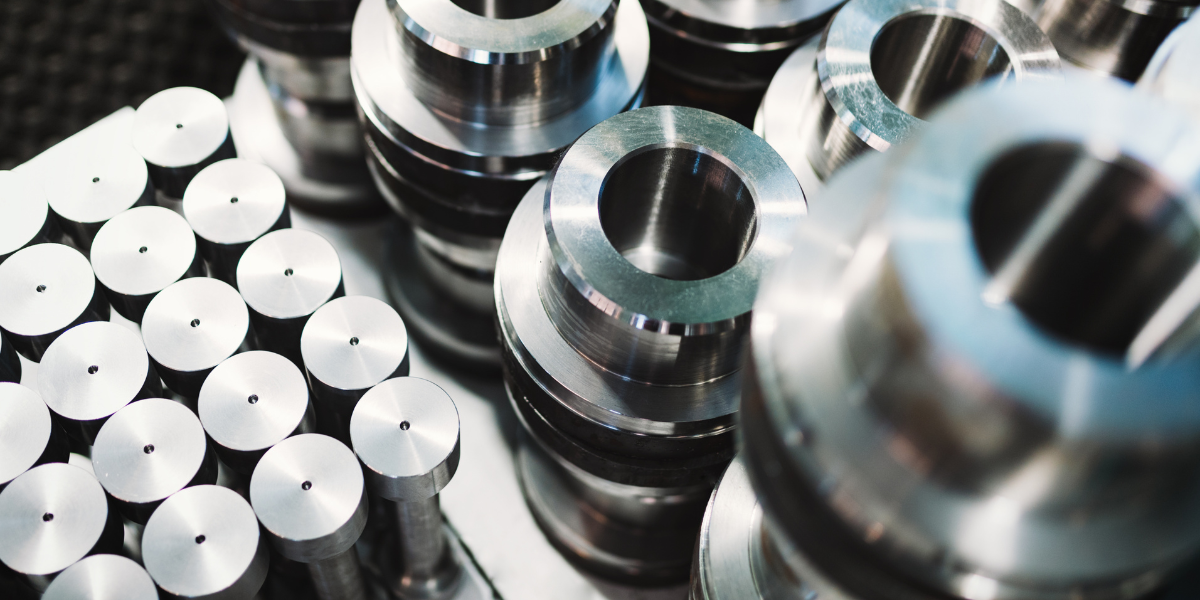
OEM stands for Original Equipment Manufacturer. In OEM manufacturing, a company produces a finished product or piece of equipment that is sold under its own name or incorporated into a larger system. Rather than manufacturing every component internally, OEMs often rely on specialized suppliers to manufacture parts and assemblies according to their drawings, specifications, and production requirements.
Depending on the product, an OEM may work with multiple manufacturing partners specializing in different processes or materials. One supplier may produce electronic components, while another provides fabricated metal parts, housings, enclosures, or assemblies.
This allows OEMs to work with manufacturers that already have the equipment, processes, and experience necessary to produce specialized components.
For products requiring fabricated metal parts, the relationship with a metal fabricator can extend well beyond a single order. Components may be needed throughout the life of the product, making consistency and production reliability important considerations when selecting a manufacturing partner.
The Role of Metal Fabrication in OEM Manufacturing
Metal fabrication supports a wide range of OEM products and industrial applications. Depending on the product and customer specifications, fabricated components may include:
Equipment enclosures and housings
Cabinets
Frames
Panels
Brackets
Tanks
Structural components
Custom metal assemblies
These components must be manufactured according to the requirements established by the OEM. Dimensions, materials, mounting locations, finishes, tolerances, and other specifications may all affect how a fabricated component integrates into the finished product.
This is where consistency becomes particularly important.
Producing one component that meets specifications is only the beginning of many OEM manufacturing relationships. A fabricator may need to manufacture the same component repeatedly over months or years while maintaining consistent quality from one production run to the next.
The ability to provide that repeatability can make a fabrication partner an important part of an OEM's long-term manufacturing strategy.
Why the Right Metal Fabrication Partner Matters
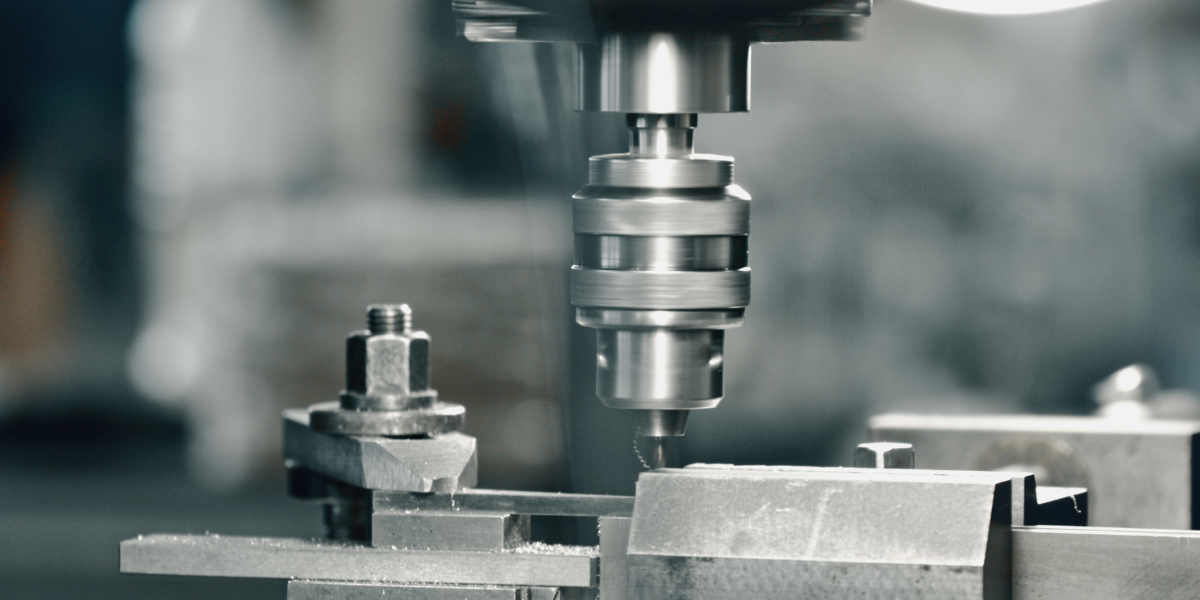
Different fabrication projects require different equipment, processes, materials, and production capabilities. Before establishing an OEM manufacturing relationship, companies should consider whether a potential fabrication partner has the resources necessary to support both their current requirements and their longer-term production goals.
Manufacturing Capabilities
A fabrication partner should have capabilities that align with the requirements of the components being manufactured.
Depending on the project, production may involve multiple fabrication processes before a component or assembly is complete. Working with a manufacturer capable of supporting the necessary processes can simplify production and help maintain consistency throughout the project.
Equipment is only part of the equation. Experience working with different materials, component sizes, production quantities, and fabrication requirements can also affect a manufacturer's ability to efficiently support an OEM program.
Quality and Consistency
In OEM manufacturing, quality must be repeatable.
A component that fits correctly during an initial production run should continue to meet the same requirements during future orders. Dimensional inconsistencies can create problems farther down the manufacturing process, particularly when fabricated parts must integrate with other components or assemblies.
Consistent fabrication processes and quality control help support:
Reliable fit and assembly
Repeatable component dimensions
Consistency between production runs
More efficient downstream assembly
Long-term product quality
This becomes increasingly important as production quantities grow.
Production Capacity
An OEM's production requirements may change significantly throughout the life of a product. Initial quantities may be relatively small, followed by larger or more frequent orders as demand increases.
Choosing a fabrication partner with the capacity to support that growth can reduce the disruption associated with finding a new supplier after production is already underway.
Capacity isn't simply about how many parts can be produced at one time. Equipment availability, production workflows, lead times, and the ability to maintain quality as quantities increase all contribute to a fabricator's ability to support an OEM over the long term.
From Prototype Fabrication to Production
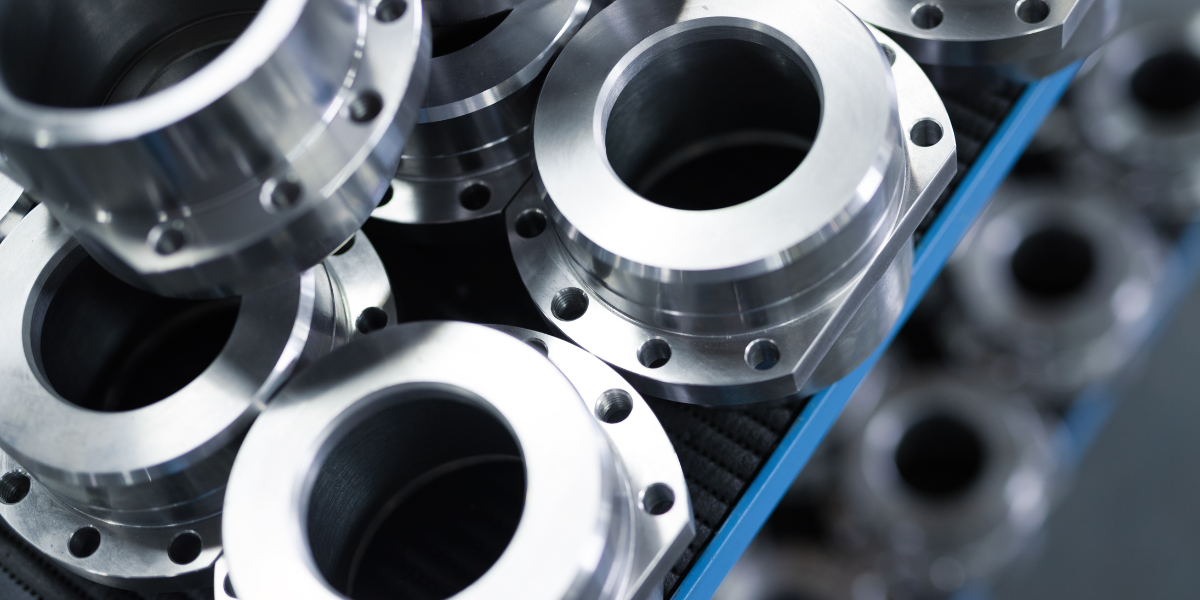
For some OEM projects, the manufacturing relationship begins with a prototype.
Prototype fabrication allows a physical component to be manufactured from customer-provided drawings and specifications before larger production quantities are required. The resulting prototype gives the customer an opportunity to evaluate the physical part and determine whether changes to its specifications are needed before proceeding into production.
This stage can be particularly valuable when a component must fit with other parts or assemblies. Identifying necessary changes before larger quantities are manufactured can help prevent the same issue from being repeated throughout a production run.
Once the customer has finalized the specifications, the project can move toward initial and repeat production.
Our article on Prototype Fabrication: Moving Customer Designs from Concept to Production takes a closer look at this stage of the manufacturing process and the role prototype fabrication can play in preparing a project for production.
Scaling OEM Metal Fabrication as Production Grows
Moving from an initial order into ongoing production changes the demands placed on a fabrication partner.
As quantities increase, maintaining consistency across every order becomes increasingly important. OEMs need confidence that components produced in later runs will continue to meet the same specifications as those manufactured previously.
Lead times and production capacity can also become more important as demand grows. A fabrication partner that understands the customer's ongoing requirements can better support repeat orders and changing production volumes.
Long-term OEM metal fabrication relationships may involve producing the same components over multiple production runs while adapting to changes in quantities and schedules. Reliable processes and consistent communication help keep production moving as those requirements evolve.
We explore this relationship further in How OEM Metal Fabrication Helps Manufacturers Scale Production.
Moving Into Production Metal Fabrication
Once specifications have been established and a component is ready for ongoing manufacturing, the priorities of the project begin to shift.
Production metal fabrication places greater emphasis on repeatability, efficient workflows, production capacity, and consistent quality across larger quantities. Instead of evaluating a single prototype or initial run, the focus becomes reliably producing components according to established customer requirements.
This is also where the capabilities of the fabrication partner become increasingly important. The manufacturer must be able to maintain dimensional consistency and quality while meeting the production quantities and timelines required by the customer.
Knowing when a project is ready to make this transition can help OEMs prepare for larger production requirements. Our article When to Transition from Prototype Fabrication to Production Metal Fabrication explores the considerations involved in moving from prototype work into repeat production.
What to Look for in an OEM Metal Fabrication Partner
Every OEM project has different requirements, but several factors can help manufacturers evaluate whether a metal fabrication partner is equipped to support their needs.
Important considerations may include:
Relevant fabrication capabilities: Does the manufacturer have the equipment and processes required to produce the components?
Experience with repeat production: Can the fabricator maintain consistency beyond an initial order?
Quality control: What processes are used to verify that fabricated components meet customer specifications?
Material expertise: Does the manufacturer regularly work with the materials required for the application?
Production capacity: Can the manufacturer support current quantities as well as potential future growth?
Ability to work from customer specifications: Can the fabricator accurately manufacture components according to provided drawings and requirements?
Communication: Can the manufacturer effectively coordinate changing quantities, schedules, and other production requirements?
Price and lead time will always be important considerations, but they are only part of the overall manufacturing relationship. A supplier that can reliably support the project over time may provide greater long-term value than one selected solely on the cost of an initial production run.
Building a Long-Term OEM Manufacturing Relationship
The needs of an OEM rarely end with the first successful component.
A product may move from prototype fabrication into initial production, followed by repeat orders and larger production quantities. Over time, demand may fluctuate, schedules may change, and additional production requirements may emerge.
A strong metal fabrication partner can support that progression while maintaining the consistency established early in the relationship.
That continuity can be valuable for both the OEM and the fabricator. Familiarity with customer specifications and production requirements can help create more efficient repeat manufacturing while reducing the need to establish new processes with a different supplier for every production cycle.
For OEMs evaluating manufacturing partners, the goal should not simply be finding someone who can fabricate a component today. It should be finding a partner with the capabilities, capacity, and consistency necessary to continue supporting the product as production requirements evolve.
Supporting OEM Manufacturing with Washington Metal Fabricators

Washington Metal Fabricators provides custom metal fabrication for OEMs and manufacturers across a variety of industrial applications. Working from customer-provided drawings and specifications, our team can support projects ranging from prototype fabrication through repeat production.
Whether you need a prototype manufactured for evaluation, fabricated components for an established product, or a production partner capable of supporting ongoing orders, Washington Metal Fabricators can work with your team to meet your fabrication requirements.
To learn more about our OEM manufacturing capabilities and custom metal fabrication services, contact Washington Metal Fabricators today. Be sure to follow us onFacebook and LinkedIn for additional industry insights, project updates, and fabrication resources.
