
Large Scale Metal Fabrication: Capabilities for Complex Industrial Production
Large scale metal fabrication requires more than the ability to manufacture a single metal part. Industrial production projects may involve complex components, repeat orders, higher production volumes, multiple fabrication processes, and equipment capable of efficiently handling changing production requirements.
For OEMs and industrial manufacturers, choosing the right fabrication partner means evaluating the complete range of capabilities available. A component may require laser cutting, forming, stamping, machining, welding, finishing, or a combination of several processes before it is ready for use.
Washington Metal Fabricators supports complex industrial projects with a diverse range of equipment and metal fabrication capabilities. From short prototype runs to high-volume production, components are manufactured according to customer-provided drawings, specifications, and project requirements.
What Is Large Scale Metal Fabrication?

The term large scale metal fabrication does not necessarily refer to the physical size of the finished component. Scale can also describe the complexity of a project, the number of components required, repeat production needs, or the range of fabrication processes involved.
For example, an industrial manufacturer may need thousands of relatively small custom metal components produced consistently over multiple orders. Another project may require larger fabricated components that move through several processes, such as laser cutting, forming, welding, and finishing.
As production requirements become more complex, manufacturers need a fabrication partner with the equipment and capacity to efficiently support those requirements.
Large scale metal fabrication can involve:
Higher-volume production runs
Repeat orders for custom metal components
Complex components requiring multiple fabrication processes
Components manufactured from carbon steel, stainless steel, or aluminum
Automated and manual manufacturing processes
Finishing requirements such as grinding, polishing, or powder coating
The appropriate manufacturing process ultimately depends on the customer's drawings, specifications, materials, quantities, and other project requirements.
Equipment Capacity Matters in Large Scale Metal Fabrication
A diverse equipment portfolio gives metal fabricators greater flexibility when determining how to manufacture a component efficiently.
Washington Metal Fabricators has invested in equipment covering numerous stages of the fabrication process, including sheet and tube laser cutting, CNC punching, forming, stamping, rolling, machining, welding, grinding, polishing, and powder coating.
This range of capabilities is particularly valuable for complex industrial projects. Rather than viewing each process independently, manufacturers should consider how different fabrication capabilities work together to produce the required component.
A project may begin with raw sheet metal or tubing and move through several processes before production is complete. Having access to the appropriate equipment throughout those stages can help support an efficient and repeatable manufacturing process.
Cutting, Forming, and Shaping Complex Metal Components
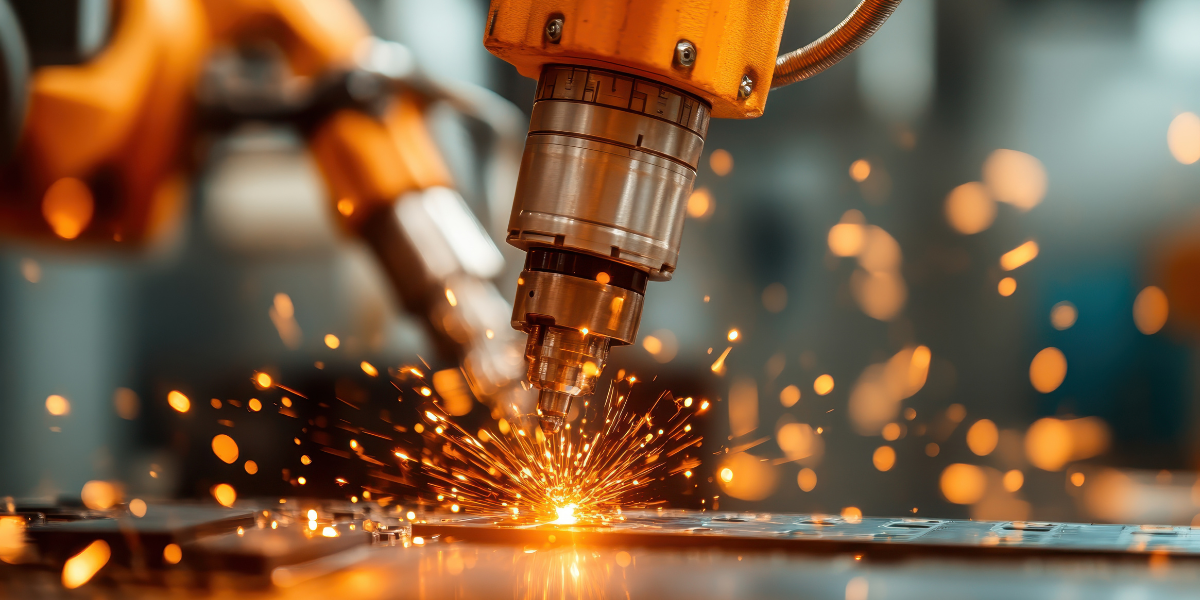
Many large scale metal fabrication projects require several processes to transform raw material into the final component.
Tube and Sheet Laser Cutting
Laser cutting provides an accurate method of producing complex cuts and shapes in metal before components move into additional fabrication processes.
Washington Metal Fabricators operates four Trumpf sheet lasers capable of processing sheets up to 5 feet by 10 feet. Capabilities include carbon steel up to 5/8-inch thick, stainless steel up to 1/2-inch, and aluminum up to 1/4-inch.
WMF also operates a Trumpf 7000 Tube Laser capable of cutting round, square, rectangular, and oval tubing. The machine accommodates tubing up to 8 inches in diameter with wall thicknesses up to 3/8 inch.
These capabilities allow laser cutting to support a variety of industrial components and production requirements.
Metal Forming and Rolling
After material has been cut, many components require bends, curves, or other shapes.
WMF operates nine brake presses ranging from 38 to 175 tons and can accommodate part lengths up to 12 feet. This range allows different equipment to be selected based on the size and requirements of the component.
For components requiring curved or rolled shapes, WMF also operates three metal rolling centers. These machines can process steel up to 10 gauge and material up to 72 inches in length.
Our upcoming guide to sheet metal rolling will take a closer look at this process and its role in custom industrial fabrication.
Custom Metal Stamping
Metal stamping can provide an efficient manufacturing process for custom components, particularly when projects progress into repeat or higher-volume production.
Washington Metal Fabricators operates three coil-fed stamping lines along with seven additional presses ranging from 30 to 150 tons. This equipment allows WMF to produce a variety of custom stamped metal components according to customer specifications.
Our guide to custom metal stamping will explore when stamping makes sense for industrial components and how the process can support repeat production.
Supporting Repeat and Higher-Volume Production
Successfully manufacturing one component is different from consistently producing that component across ongoing production runs.
As quantities increase, repeatability becomes increasingly important. Components produced during future orders still need to conform to the same drawings and specifications as those manufactured during earlier production runs.
Large scale metal fabrication therefore requires manufacturers to consider factors such as:
Production capacity
Equipment availability
Repeatability
Material requirements
Quality control
Production efficiency
Future order volumes
Washington Metal Fabricators can accommodate both short prototype runs and high-volume production runs. This allows customers to work with the same fabrication partner as a project progresses from initial manufacturing into ongoing production.
For projects earlier in the manufacturing process, learn more about prototype fabrication and the transition into production metal fabrication.
Industries That Rely on Large Scale Metal Fabrication

Large scale metal fabrication supports a wide range of industries that require custom components, repeat production, specialized materials, or multiple fabrication processes. While the requirements of each project vary, manufacturers and organizations may seek out an experienced metal fabricator when they need the equipment and production capacity to manufacture components according to specific drawings and specifications.
Washington Metal Fabricators supports fabrication needs across industries and applications such as:
Power and utility infrastructure: Transformer tanks, power grid components, substation components, electrical cabinets, and other fabricated products used throughout utility infrastructure.
OEM and industrial manufacturing: Custom components manufactured for integration into equipment, machinery, and finished products, including repeat and higher-volume production requirements.
Data centers and critical infrastructure: Server cabinets, racks, enclosures, and other fabricated components supporting data center equipment and infrastructure.
HVAC and commercial systems: Custom ductwork and fabricated metal components used in commercial and industrial HVAC applications.
Medical equipment: Precision fabricated components and equipment requiring reliable manufacturing processes and adherence to customer specifications.
Material handling and industrial equipment: Machine components, conveyor-related fabrication, brackets, supports, housings, and other components used in manufacturing and industrial operations.
The equipment and processes required can differ considerably between industries. A utility component may have very different material, welding, and finishing requirements than a component manufactured for an OEM production line. Access to a broad range of fabrication capabilities allows manufacturers to select processes based on the requirements of each individual project.
Welding, Machining, and Finishing Under One Roof
Cutting and forming are only part of many industrial fabrication projects. Complex components may require additional processes before they are ready for delivery or integration into a finished product.
WMF's machining capabilities include CNC milling and turning centers operated by experienced machinists. These capabilities support both short prototype runs and high-volume production while allowing parts to be manufactured according to customer design requirements and specifications.
For welded components, WMF maintains 15 certified welding stations supporting MIG, TIG, and resistance welding in accordance with AWS D1.1 standards. Robotic welding capabilities include a Genesis Versa2 welder capable of accommodating 5-foot by 10-foot weld fixtures.
Additional finishing capabilities include grinding, polishing, and powder coating. WMF's Nordson powder coating line incorporates a four-stage phosphate wash along with manual and automatic application equipment.
Having multiple processes available within the same fabrication operation can be especially valuable when a component requires several manufacturing stages.
Quality Control Is Critical as Production Scales
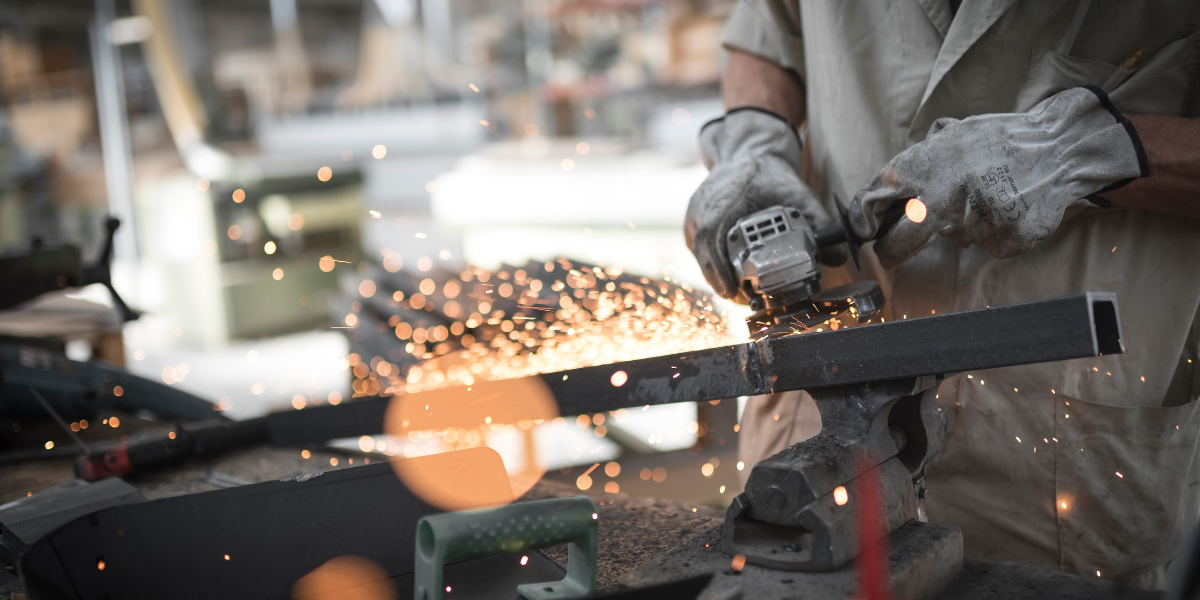
As production quantities increase, maintaining consistent quality across components and repeat orders becomes increasingly important.
Large scale metal fabrication requires processes that can repeatedly manufacture components according to established drawings, specifications, and tolerances. Equipment, production procedures, and quality-management practices all contribute to maintaining that consistency.
Washington Metal Fabricators is ISO 9001:2015 certified, reflecting an established quality management system for its manufacturing operations.
For industrial buyers, quality management should be considered alongside equipment capacity and production capabilities when evaluating a fabrication partner.
What to Look for in a Large Scale Metal Fabrication Partner
Every industrial project has different requirements, so there is no single set of capabilities that is right for every application. Manufacturers should evaluate potential fabrication partners based on the specific needs of their components and production programs.
Important considerations can include:
Equipment appropriate for the required materials and component dimensions
Multiple fabrication capabilities for complex components
Capacity for repeat and higher-volume production
CNC and automated equipment where appropriate
Machining capabilities
Manual and robotic welding
In-house finishing capabilities
Established quality-management processes
Ability to manufacture from customer-provided drawings and specifications
Capacity to support changing production requirements over time
Looking beyond a single machine or fabrication process can help manufacturers identify a partner capable of supporting the broader needs of a project.
Large Scale Metal Fabrication at Washington Metal Fabricators
Washington Metal Fabricators combines a diverse equipment portfolio with capabilities covering multiple stages of industrial metal production.
Depending on project requirements, WMF can provide laser cutting, CNC punching, metal forming, stamping, rolling, machining, manual and robotic welding, grinding, polishing, and powder coating. This range allows WMF to support everything from individual custom components to complex projects requiring multiple fabrication processes.
WMF also supports projects across different stages of production, including prototype fabrication, initial production runs, repeat orders, and high-volume manufacturing.
By manufacturing according to customer-provided drawings and specifications, Washington Metal Fabricators can support OEMs and industrial manufacturers requiring custom components for equipment, infrastructure, and other commercial and industrial applications.
Frequently Asked Questions About Large Scale Metal Fabrication

What is considered large scale metal fabrication?
Large scale metal fabrication can refer to physical component size, production volume, project complexity, repeat manufacturing requirements, or projects involving multiple fabrication processes. A high-volume order of smaller components can require large-scale production capabilities just as a physically larger fabricated component can.
What processes are used in large scale metal fabrication?
Depending on the component, large scale metal fabrication can involve laser cutting, CNC punching, forming, stamping, rolling, machining, welding, grinding, polishing, powder coating, and other manufacturing processes.
What materials can be used for large scale metal fabrication?
Common materials include carbon steel, stainless steel, and aluminum. The appropriate material and fabrication processes depend on the customer's specifications and the requirements of the component.
Can large scale metal fabrication be used for high-volume production?
Yes. Equipment capacity, automation, repeatable manufacturing processes, and production planning can allow metal fabricators to support higher-volume production while consistently manufacturing components according to required specifications.
Can a metal fabricator support both prototypes and production runs?
Yes. Some metal fabricators have equipment and production capabilities suitable for both. Washington Metal Fabricators can accommodate short prototype runs as well as high-volume production, allowing customers to continue working with the same fabrication partner as production requirements grow.
What should manufacturers provide when requesting a metal fabrication quote?
Providing detailed information helps a fabricator accurately evaluate a project. Manufacturers should generally provide available drawings and specifications, material requirements, quantities or anticipated production volumes, tolerances, finishing requirements, and other relevant project information.
Need a Fabrication Partner for Your Next Production Project?

Successful large scale metal fabrication depends on matching a project's materials, specifications, production volume, and complexity with the appropriate equipment and manufacturing processes. For projects requiring multiple capabilities or ongoing production, choosing a fabricator with the capacity to support those requirements over time can be just as important as producing the initial component.
Washington Metal Fabricators provides custom metal fabrication for OEMs and industrial manufacturers, with capabilities ranging from prototype fabrication through high-volume production.
Contact Washington Metal Fabricators today to discuss your drawings, specifications, and production requirements.
Follow Washington Metal Fabricators on Facebook and LinkedIn to learn more about our fabrication capabilities, equipment, and latest projects.
