
Tube Laser Cutting Services for Complex Tubular Components
Metal tubing used in industrial equipment often requires much more than a simple cut to length. Depending on the finished component, tubing may need holes, slots, notches, angled cuts, or precisely shaped ends before it can move into welding or other fabrication processes.
Tube laser cutting services allow these features to be cut directly into metal tubing with precision and repeatability. For OEMs and industrial manufacturers, this can reduce the number of separate operations needed to prepare complex tubular components for downstream fabrication.
Washington Metal Fabricators uses a Trumpf 7000 Tube Laser capable of processing round, square, rectangular, and oval tubing. The machine accommodates tubing up to 8 inches in diameter with wall thicknesses up to 3/8 inch, providing a versatile option for components used throughout industrial manufacturing and equipment production.
More Than Cutting Metal Tubing to Length
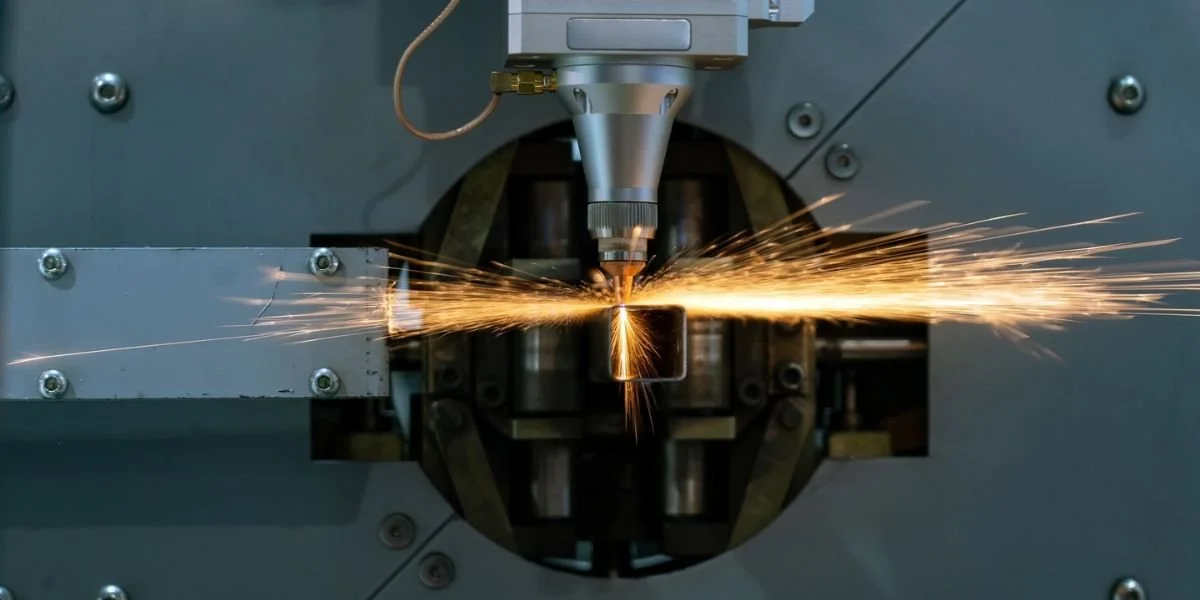
The geometry of a tubular component can become complex quickly. Features may need to be positioned on multiple sides of the tube, aligned with other components, or incorporated into the ends of the material to prepare pieces for joining or assembly.
Tube laser cutting allows these features to be programmed and cut directly into the tubing according to customer-provided drawings and specifications. Depending on the component, these may include:
Straight and angled cuts
Holes and openings
Slots
Notches
Cutouts
End profiles
Connection points for other components
For example, a piece of rectangular tubing intended for an equipment frame might require mounting holes along its length, slots for additional components, and precisely cut ends where it will eventually connect with other pieces.
Rather than simply preparing raw material, tube laser cutting can produce a component that is further along in the fabrication process and ready for the operations that follow.
Why Use Tube Laser Cutting for Complex Components?
The value of tube laser cutting services becomes particularly clear as tubular components become more complex.
Precision for Complex Features
Industrial components are manufactured according to specific dimensions and requirements. Laser cutting allows holes, slots, notches, and other features to be positioned and cut directly into the tubing according to the customer’s specifications.
This is particularly useful when multiple features need to align with other components later in the fabrication or assembly process.
Fewer Separate Fabrication Operations
Without tube laser cutting, preparing a complex tubular component may require several individual operations. Material could need to be cut to length before holes are drilled, slots are created, ends are notched, or additional cuts are made.
A tube laser can perform multiple types of cuts during the same general processing stage. Depending on the component, this can reduce the number of separate operations required before the tubing moves into downstream fabrication.
Repeatability Across Production Runs
When OEMs require repeat quantities of the same tubular component, the specified features need to be reproduced throughout the production run.
CNC-controlled laser cutting supports repeat production by processing components according to programmed specifications. This can be valuable for manufacturers requiring the same frames, supports, or other tubular components across ongoing orders.
Inside WMF’s Trumpf 7000 Tube Laser Capabilities
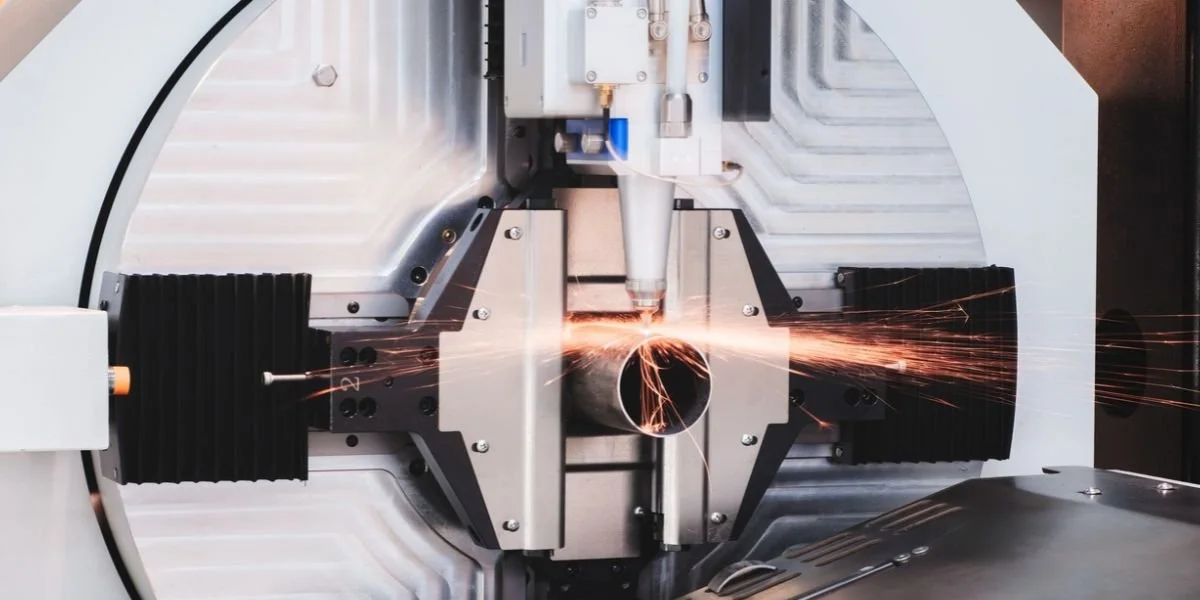
The equipment behind tube laser cutting services determines the profiles, dimensions, and types of projects a fabricator can accommodate.
Washington Metal Fabricators operates an advanced Trumpf 7000 Tube Laser capable of processing several different tubing profiles.
Round Tubing
Round tubing is used throughout industrial equipment, structural components, supports, and fabricated assemblies. Laser cutting can create the required holes, end cuts, and other features directly in the round profile before additional fabrication takes place.
Square and Rectangular Tubing
Square and rectangular tubing are frequently incorporated into frames, equipment bases, racks, supports, guards, and other industrial structures.
These components may require more than basic cuts. Mounting holes, slots, notches, connection points, and shaped ends can all play a role in how pieces eventually fit together.
The Trumpf 7000 allows WMF to process these profiles according to customer-provided specifications before they move into welding or other fabrication operations.
Oval Tubing
WMF's equipment can also accommodate oval tubing, expanding the range of profiles available for custom tubular components.
Across these different profiles, the Trumpf 7000 can accommodate tubing up to 8 inches in diameter and wall thicknesses up to 3/8 inch.
For a closer look at the Trumpf 7000 and WMF's other metal fabrication capabilities and equipment, visit our Capabilities & Equipment page.
What Can Be Made With Tube Laser Cutting?
Tubular metal components appear throughout industrial equipment and manufactured products. Depending on project specifications, tube laser cutting services can support the production of:
Equipment frames
Machine bases
Structural framework
Tubular supports
Racks
Guards and protective structures
Mounting components
Machinery components
Tubular assemblies
Consider an OEM manufacturing a piece of industrial equipment with a frame constructed from rectangular tubing. Individual pieces may need mounting holes for equipment, slots for connections, and specific end profiles where the frame will eventually be welded together.
Tube laser cutting allows those features to be incorporated into the individual components before they reach the welding stage.
WMF's OEM metal fabrication capabilities support custom components for manufacturers requiring everything from initial production to repeat and higher-volume orders.
From Tube Laser Cutting to a Finished Fabricated Component
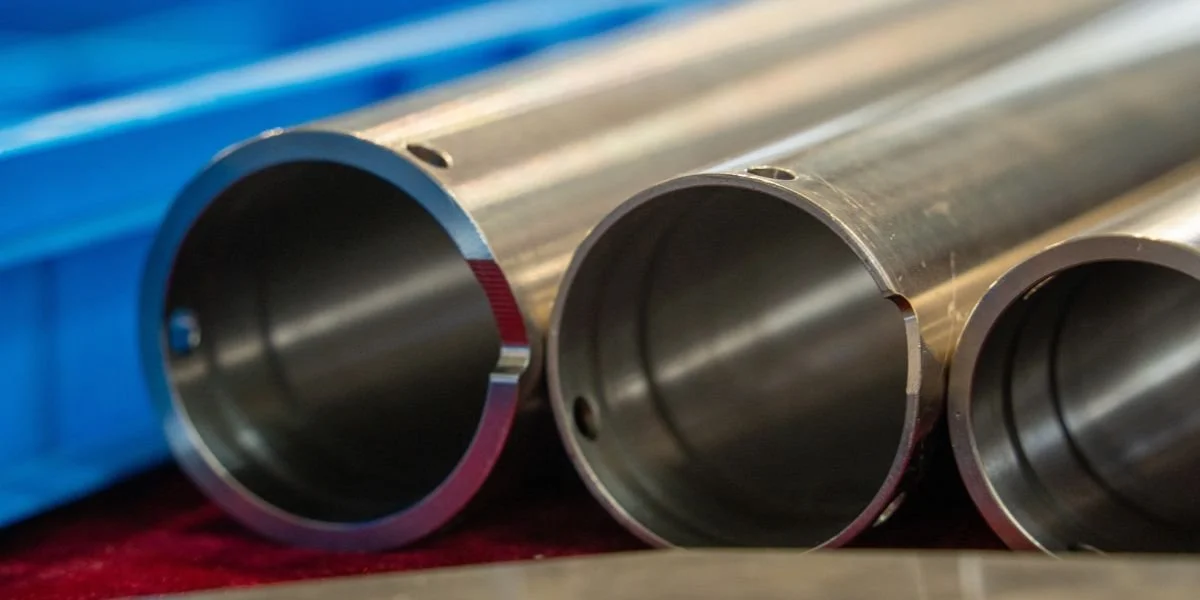
Tube laser cutting is often one stage in a larger fabrication process. Depending on the component, laser-cut tubing may move into forming, machining, manual or robotic welding, grinding, polishing, or powder coating before the component is complete.
Washington Metal Fabricators supports these additional processes in-house, allowing tube laser cutting to be integrated with other capabilities when required by the customer's drawings and specifications.
This is particularly valuable for large scale metal fabrication projects, where producing a finished component may require several different fabrication processes.
Industries That Use Laser-Cut Tubular Components
The versatility of round, square, rectangular, and oval tubing makes it useful across a variety of industrial applications.
OEM and industrial manufacturing: Equipment manufacturers may require custom frames, supports, bases, machinery components, and fabricated tubular assemblies.
Material handling equipment: Conveyor systems and other material-handling equipment can incorporate tubular framework, supports, guards, and related components.
Commercial equipment and fixtures: Tubular structures can be used in equipment and fixtures requiring repeatable cuts, mounting points, or connection features.
Industrial infrastructure: Round, square, and rectangular tubing can be incorporated into structural frameworks, supports, protective structures, and other fabricated industrial components.
In each case, the appropriate manufacturing process depends on the component's material, dimensions, geometry, required features, and production requirements.
What Information Does WMF Need for a Tube Laser Cutting Project?
Providing detailed project information helps determine whether WMF's equipment and tube laser cutting services are appropriate for a particular component.
When requesting a quote, manufacturers should provide available information including:
Drawings or specifications
Tube profile
Material
Tube dimensions
Wall thickness
Required cuts and features
Tolerances
Production quantities
Welding or additional fabrication requirements
Finishing requirements
These details also help determine what processes may be required after laser cutting and how the tubular component fits into the broader fabrication project.
Frequently Asked Questions About Tube Laser Cutting Services
What are tube laser cutting services?
Tube laser cutting services use laser cutting equipment to create specified cuts and features directly in metal tubing. Depending on the component, these can include holes, slots, notches, angled cuts, cutouts, and end profiles.
What shapes of tubing can be laser cut?
Tube laser equipment can be designed to process different profiles. Washington Metal Fabricators' Trumpf 7000 can accommodate round, square, rectangular, and oval tubing.
How large of tubing can Washington Metal Fabricators laser cut?
WMF's Trumpf 7000 Tube Laser can process tubing up to 8 inches in diameter with wall thicknesses up to 3/8 inch.
What types of features can be cut into metal tubing?
Depending on the customer's drawings and specifications, tube laser cutting can create holes, slots, notches, angled cuts, cutouts, end profiles, and other required features.
What are the advantages of tube laser cutting?
For suitable components, tube laser cutting services can provide precise cuts, create complex features directly in the tubing, support repeat production, and reduce the number of separate operations required to prepare a component for downstream fabrication.
Can laser-cut tubing be welded afterward?
Yes. Depending on project requirements, laser-cut tubular components can move into manual or robotic welding as well as other processes such as machining, grinding, polishing, or powder coating.
Tube Laser Cutting for Complex Fabrication Projects

Tube laser cutting services provide manufacturers with a precise way to create complex features in round, square, rectangular, and oval tubing. With its Trumpf 7000 Tube Laser and additional welding, forming, machining, and finishing capabilities, Washington Metal Fabricators can support tubular components as part of larger OEM and industrial fabrication projects.
Contact Washington Metal Fabricators today to discuss your drawings, specifications, and production requirements.
Follow Washington Metal Fabricators on Facebook and LinkedIn for more information about our equipment, fabrication capabilities, and recent projects.
