
Many industrial metal components require more than straight cuts and defined bends. Tanks, equipment housings, curved panels, ductwork, and other fabricated components may require a continuous radius or cylindrical shape that must be formed according to precise specifications.
Sheet metal rolling transforms flat material into these curved forms by progressively shaping the metal through specialized rolling equipment. The process can be used to create everything from gradual curves to cylindrical sections and often serves as one stage of a larger fabrication project.
Washington Metal Fabricators operates three rolling centers capable of processing steel up to 10 gauge and material up to 72 inches long. Combined with WMF’s broader large scale metal fabrication capabilities, rolling can be integrated with cutting, welding, machining, and finishing processes to produce custom components for industrial applications.
From Flat Sheet to a Precise Curved Component
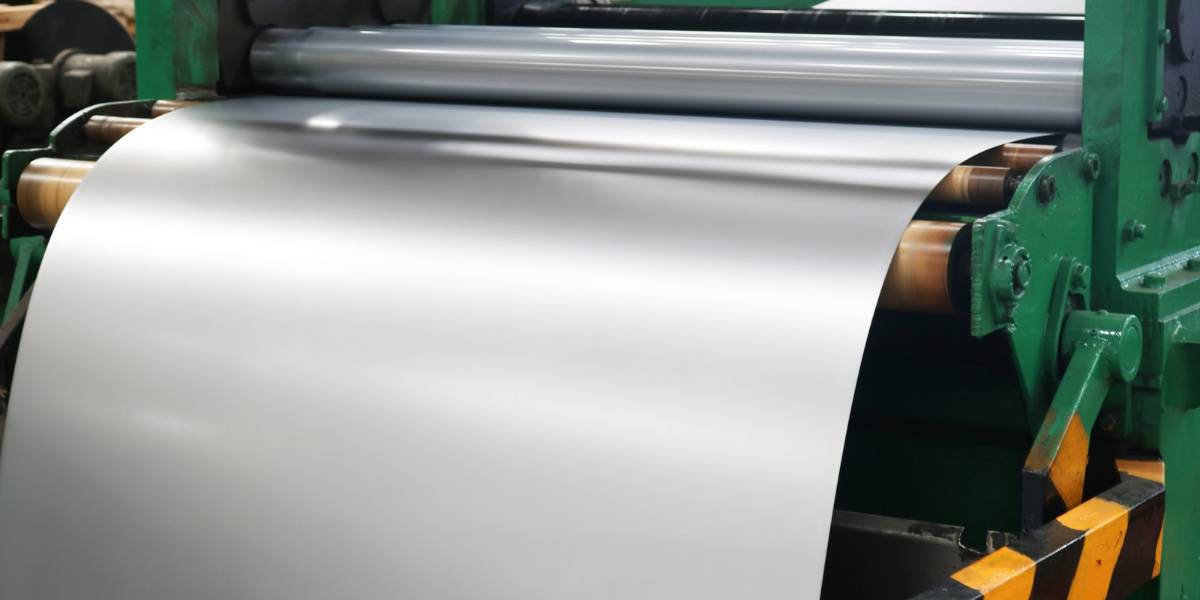
Sheet metal rolling uses a series of rollers to progressively form flat material into a specified curve or radius. Rather than creating a sharp bend at one point in the material, the equipment applies force across the sheet to gradually change its shape.
Depending on the specifications of the component, material may pass through the rolling equipment multiple times until the required curvature is achieved. This process can produce gentle arcs, tighter radii, partially cylindrical sections, or complete cylindrical forms.
The appropriate rolling process depends on several factors, including the type and thickness of the material, overall dimensions, required radius, and final geometry of the component.
As with other custom fabrication processes, rolled components are manufactured according to customer-provided drawings and specifications. Those requirements determine both how the material needs to be formed and what additional fabrication may be required after rolling.
When Is Rolling the Right Forming Process?
Not every component that needs to be shaped requires sheet metal rolling. The geometry of the finished part plays an important role in determining which forming process is appropriate.
For example, a press brake is commonly used when a component requires defined bends or angles. Rolling is used when the specifications call for a continuous curve across a section of material.
Sheet metal rolling may be appropriate when a component requires:
A continuous radius
A curved or arched profile
A cylindrical or partially cylindrical shape
Large curved panels or sections
Consistent curvature across the material
Rolled sections that will later be joined or welded
Consider the difference between an equipment panel with a 90-degree corner and the curved wall of a cylindrical tank. Both begin as flat metal and require forming, but their finished geometries call for very different processes.
In more complex projects, both processes may even be required for different components within the same finished product.
What Can Be Made With Sheet Metal Rolling?

Rolled metal appears throughout industrial equipment and infrastructure. In many cases, the rolled piece is one component that will later be welded, assembled, or incorporated into a larger fabricated product.
Common applications can include:
Tanks and Cylindrical Components
Tank bodies, shells, and other cylindrical sections are natural applications for metal rolling. Flat material can be formed into curved sections that are later joined or welded according to the requirements of the finished component.
This can be relevant in industries such as power and utility equipment manufacturing, where fabricated tanks and related components are used throughout electrical infrastructure.
Curved Panels and Equipment Housings
Industrial machinery and OEM equipment may require curved exterior panels, housings, covers, or protective components. Sheet metal rolling allows these pieces to be formed to a specified radius before moving into additional fabrication processes.
These components may serve functional purposes, such as protecting equipment, while also conforming to the required dimensions and geometry of a larger product.
Ductwork and HVAC Components
Commercial and industrial HVAC systems frequently require curved or cylindrical metal components. Depending on the project, rolling can be used to form sections incorporated into custom ductwork fabrication and other ventilation equipment.
Guards, Covers, and Industrial Components
Industrial machinery, material-handling systems, and manufacturing equipment can also require curved guards, covers, shields, and other fabricated parts.
For OEMs, these components may be produced according to specifications for incorporation into larger equipment or finished products. WMF’s OEM metal fabrication capabilities can support projects requiring several different types of custom components and fabrication processes.
What Determines How a Metal Component Is Rolled?
Creating a curved component involves more than simply feeding a piece of metal through a machine. Several project requirements influence how the material is processed and which equipment is appropriate.
Important factors include:
Material: Different metals have different forming characteristics that must be considered during fabrication.
Material thickness: Thickness influences the amount of force required and the equipment appropriate for the project.
Part dimensions: The length and width of the material must fall within the capacity of the rolling equipment.
Required radius or diameter: A gradual curve and a tight cylindrical form present different forming requirements.
Component geometry: The overall shape of the finished component determines how the material needs to be processed.
Project specifications: Drawings, dimensions, and tolerances establish the requirements the finished component must meet.
Additional fabrication: Welding, machining, cutting, or finishing requirements may influence how the rolled component fits into the overall production process.
Evaluating these factors before production helps determine whether sheet metal rolling is appropriate and how the component should move through the fabrication process.
Rolling Is Only One Step in Fabrication
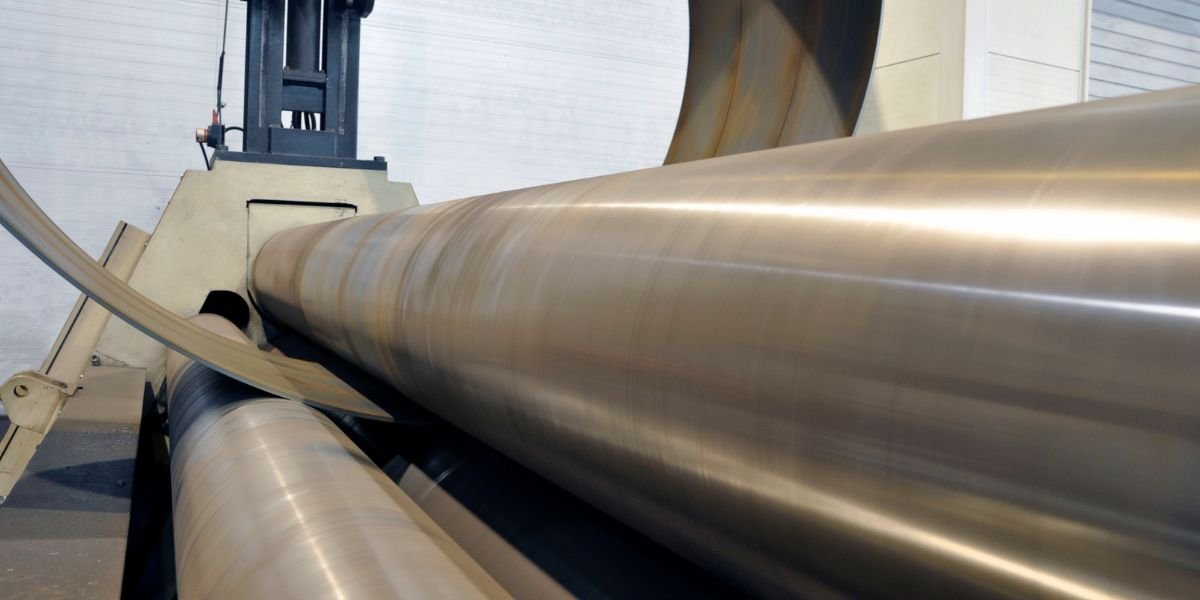
For many industrial applications, sheet metal rolling is one part of a larger fabrication process. Depending on the component, flat material may be cut to the required dimensions before rolling, while additional operations such as welding, machining, grinding, polishing, or finishing may be needed afterward.
Washington Metal Fabricators offers these supporting capabilities in-house, allowing rolling to be incorporated into projects that require multiple fabrication processes.
This is particularly valuable for large scale metal fabrication projects, where manufacturing custom industrial components may involve several different processes based on the customer's drawings and specifications.
Sheet Metal Rolling at Washington Metal Fabricators
Washington Metal Fabricators operates three rolling centers capable of handling steel up to 10 gauge and material up to 72 inches long.
These rolling centers are part of WMF’s broader metal fabrication capabilities and equipment, which also include:
Sheet and tube laser cutting
CNC punching
Press brake forming
Metal stamping
CNC machining
Manual and robotic welding
Grinding and polishing
Powder coating
Having these additional processes available allows sheet metal rolling to be incorporated into more complex fabrication projects when a component requires additional work before or after it is rolled.
For example, a curved section may require laser-cut features before rolling, welding after forming, or a finished surface after fabrication is complete. The exact combination of processes is determined by the customer’s drawings and project requirements.
Planning a Project That Requires Rolled Metal Components
Providing detailed project information helps a metal fabricator determine whether rolling is the appropriate process and what equipment will be required.
When requesting a quote for a rolled component, manufacturers should be prepared to provide information such as:
Drawings and specifications
Material type
Material thickness
Overall component dimensions
Required radius or diameter
Tolerances
Production quantities
Welding requirements
Surface finishing requirements
Other fabrication processes required for the component
The more complete the project specifications are, the better a fabricator can evaluate how the component should be produced.
Washington Metal Fabricators manufactures components according to customer-provided drawings and specifications and is ISO 9001:2015 certified.
Frequently Asked Questions About Sheet Metal Rolling
What is sheet metal rolling?
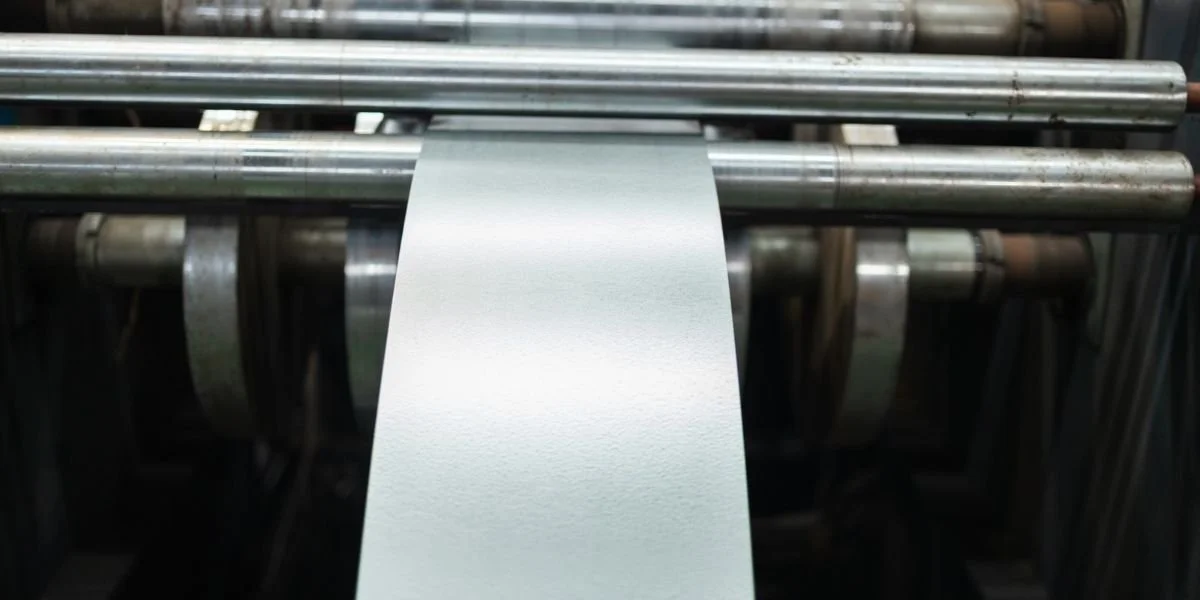
Sheet metal rolling is a forming process that progressively shapes flat metal using rolling equipment. The process can create curved, arched, or cylindrical forms according to the specifications of the component.
What shapes can sheet metal rolling create?
Depending on the material, equipment, and project requirements, rolling can create gradual curves, arcs, radii, partial cylinders, and cylindrical sections.
What is the difference between rolling and bending sheet metal?
Bending generally creates a defined angle at a specific location in the material, while rolling progressively forms material into a continuous curve or radius. The appropriate process depends on the required geometry of the component.
What types of industrial components use rolled sheet metal?
Rolled material can be used for tank sections, cylindrical components, curved panels, equipment housings, guards, covers, ductwork components, and other industrial parts requiring curved forms.
How thick of steel can Washington Metal Fabricators roll?
Washington Metal Fabricators has three rolling centers capable of processing steel up to 10 gauge and material up to 72 inches in length.
Can rolled sheet metal be welded or finished afterward?
Yes. Depending on project requirements, rolled components may move into welding, machining, grinding, polishing, powder coating, or other fabrication and finishing processes after rolling.
Sheet Metal Rolling for Custom Industrial Components

Sheet metal rolling provides a way to transform flat material into the curved and cylindrical forms required for many industrial components. With three rolling centers and additional cutting, forming, welding, machining, and finishing capabilities, Washington Metal Fabricators can support rolled components as part of larger custom fabrication projects.
Contact Washington Metal Fabricators today to discuss your drawings, specifications, and fabrication requirements.
Follow Washington Metal Fabricators on Facebook and LinkedIn for more information about our fabrication capabilities and recent projects.
