
From industrial machinery frames to medical equipment housings, welded metal assemblies play an important role in manufacturing products that require multiple metal components to function as a single structure. These assemblies can combine fabricated parts into equipment frames, mounting systems, structural supports, and complete products built to customer specifications.
Washington Metal Fabricators (WMF), located in Washington, Missouri, provides metal fabrication and welding services for businesses throughout the United States and Canada. By combining welding with cutting, forming, machining, and finishing capabilities, WMF helps customers source custom metal products and assemblies from a single manufacturing partner.
What Are Welded Metal Assemblies?
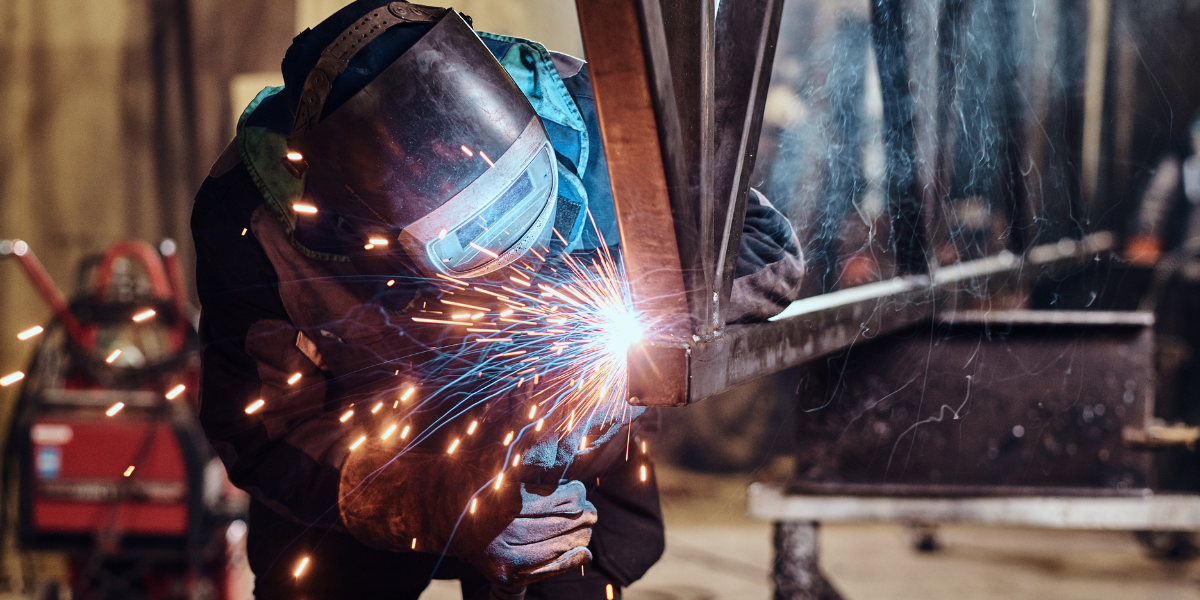
Welded metal assemblies are structures or products created by joining two or more metal components through welding. Unlike an individual fabricated part, an assembly combines multiple pieces into a larger component or finished product.
For example, an industrial equipment frame might include laser-cut plates, formed brackets, tubular supports, and machined mounting components. Welding joins these individual pieces into a complete structure.
The manufacturing process is sometimes called weldment fabrication. Depending on the product, it may involve cutting, forming, machining, component positioning, welding, and finishing.
The result can range from a relatively simple mounting bracket assembly to a large fabricated structure incorporating numerous components.
Industrial Applications for Welded Metal Assemblies
Industrial welded assemblies serve a wide range of manufacturing applications. Their specific configurations depend on equipment requirements, operating conditions, materials, and product design.
Common applications include:
Industrial equipment frames: Structural frameworks that support machinery, production equipment, and associated components.
Material handling equipment: Fabricated structures, supports, and assemblies used in conveying, storage, and material movement systems.
Electrical equipment enclosures: Welded housings, cabinets, and support structures manufactured to specified dimensions and configurations.
Machinery brackets and mounting assemblies: Components that secure equipment, connect structural elements, or provide mounting locations.
Commercial and industrial products: Fabricated assemblies incorporated into finished products sold by equipment manufacturers and other businesses.
These applications illustrate why welding is often part of a broader fabrication process. Individual components may require several manufacturing operations before they are positioned and joined into a complete assembly.
For projects involving repeatable weld locations and consistent component geometry, robotic welding applications may also be worth evaluating.
Welded Metal Assemblies for Medical Equipment

Medical equipment manufacturing can involve metal structures that support, protect, or position equipment and its components.
Potential applications include:
Equipment carts and supporting frames
Metal housings for diagnostic or treatment equipment
Mounting brackets and structural supports
Equipment stands and fabricated bases
Custom metal enclosures and support assemblies
These products may require particular attention to dimensional accuracy, surface finishing, cleanability, and material specifications, depending on their intended use.
Manufacturing requirements also vary considerably between general medical equipment structures and components subject to specific regulatory controls.
For businesses sourcing metal fabrication for medical equipment, manufacturing capabilities such as precision cutting, forming, welding, and finishing can be important considerations. Material compatibility, dimensional consistency, and the ability to manufacture multi-component assemblies may also influence supplier selection.
Washington Metal Fabricators offers a range of fabrication and welding capabilities that can support custom metal components and assemblies for specialized equipment applications.
Weldment Fabrication: Key Manufacturing Considerations
Producing custom welded assemblies requires more than selecting a welding process. The relationship between individual components, their dimensions, and the finished product's requirements can influence how an assembly is manufactured.
Material and Component Specifications
The selected material, thickness, component geometry, and joint configuration affect fabrication requirements. These factors can influence welding methods and any additional manufacturing operations needed to produce the finished assembly.
Component Fit-Up and Alignment
Before welding, individual parts must be positioned according to the assembly's specified dimensions.
Variations in component fit-up can affect joint consistency and finished dimensions. Fixtures and appropriate positioning methods may help maintain alignment during repeat production.
Weld Accessibility and Process Selection
Weld locations must be accessible to the selected welding equipment. Joint geometry, surrounding components, and the required weld configuration can influence whether manual or robotic welding is appropriate.
Neither process is automatically the best choice for every assembly. Production quantities, part consistency, and accessibility all matter.
For a closer comparison, read our guide to robotic welding vs. manual welding.
Dimensional Requirements and Finishing
Welding introduces heat that can affect component dimensions and alignment. Manufacturing plans must account for the finished assembly's specified tolerances and any required downstream operations.
Depending on the product, these operations may include grinding, polishing, machining, or powder coating.
Considering these factors throughout production helps manufacturers evaluate the processes involved in producing welded metal assemblies.
Custom Welded Assemblies at Washington Metal Fabricators
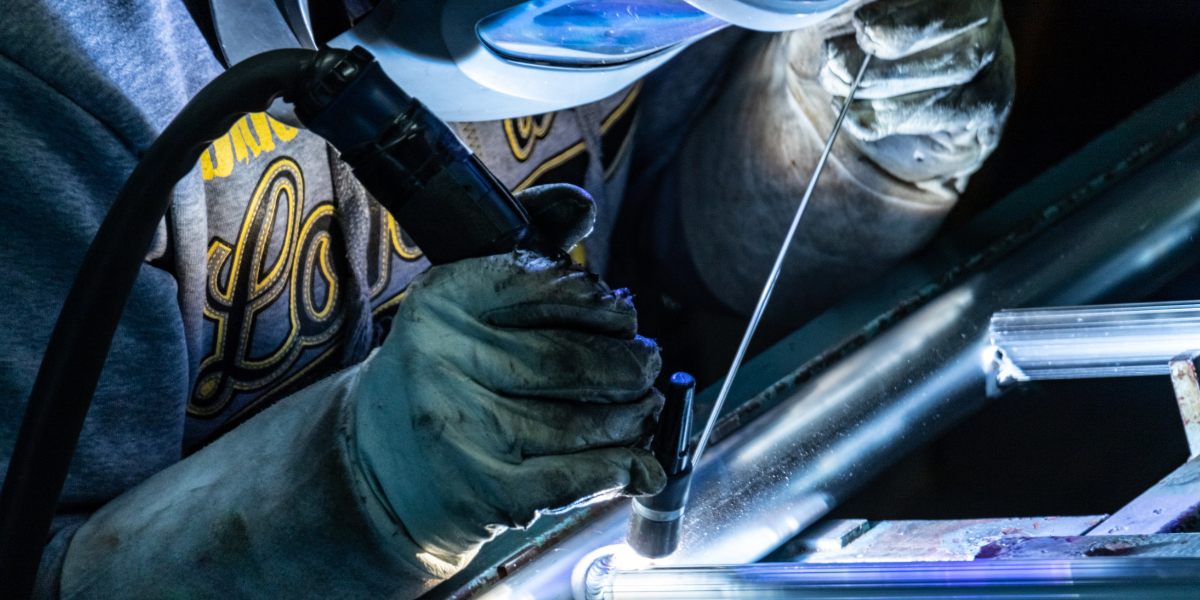
Washington Metal Fabricators provides welding as part of its broader metal fabrication capabilities.
WMF's welding operations include MIG, TIG, resistance, and robotic welding, supported by 15 certified welding stations and a Genesis Versa2 robotic welding system.
The company also offers complementary fabrication processes, including laser cutting, CNC punching, metal forming, machining, grinding, polishing, and powder coating.
These capabilities support projects involving individual fabricated components, multi-part assemblies, and complete metal products.
As an ISO 9001:2015-certified manufacturer, WMF operates within a documented quality management system. Specific inspection, material, and production requirements can vary depending on the application.
Explore Washington Metal Fabricators' metal fabrication capabilities and equipment to learn more about the manufacturing processes available.
Frequently Asked Questions About Custom Welded Assemblies
What are custom welded metal assemblies?
Custom welded assemblies combine multiple fabricated metal components into a single structure or product. Washington Metal Fabricators manufactures these assemblies using its welding and broader metal fabrication capabilities, supporting the production of custom components and finished metal products.
Can welded assemblies be manufactured as complete products?
Yes. Depending on the design and manufacturing requirements, welded assemblies can form complete metal products rather than simply individual components. Washington Metal Fabricators supports the manufacture of finished metal products and assemblies using multiple fabrication processes.
What industries use welded metal assemblies?
Welded metal assemblies are used in industrial machinery, material handling, electrical infrastructure, commercial equipment, and medical equipment. Applications include equipment frames, structural supports, housings, and mounting systems. Specific manufacturing requirements depend on the product and its intended use.
What welding processes are used to manufacture welded assemblies?
Common processes include MIG, TIG, resistance, and robotic welding. Washington Metal Fabricators offers all four capabilities. Process selection depends on factors such as material specifications, joint geometry, weld accessibility, and production requirements.
Can welded assemblies be manufactured using multiple fabrication processes?
Yes. Manufacturing a welded assembly may involve laser cutting, metal forming, machining, welding, and finishing. Washington Metal Fabricators offers these complementary capabilities, allowing multiple stages of metal fabrication to be performed within the same manufacturing operation.
Custom Welded Metal Assemblies from Washington Metal Fabricators
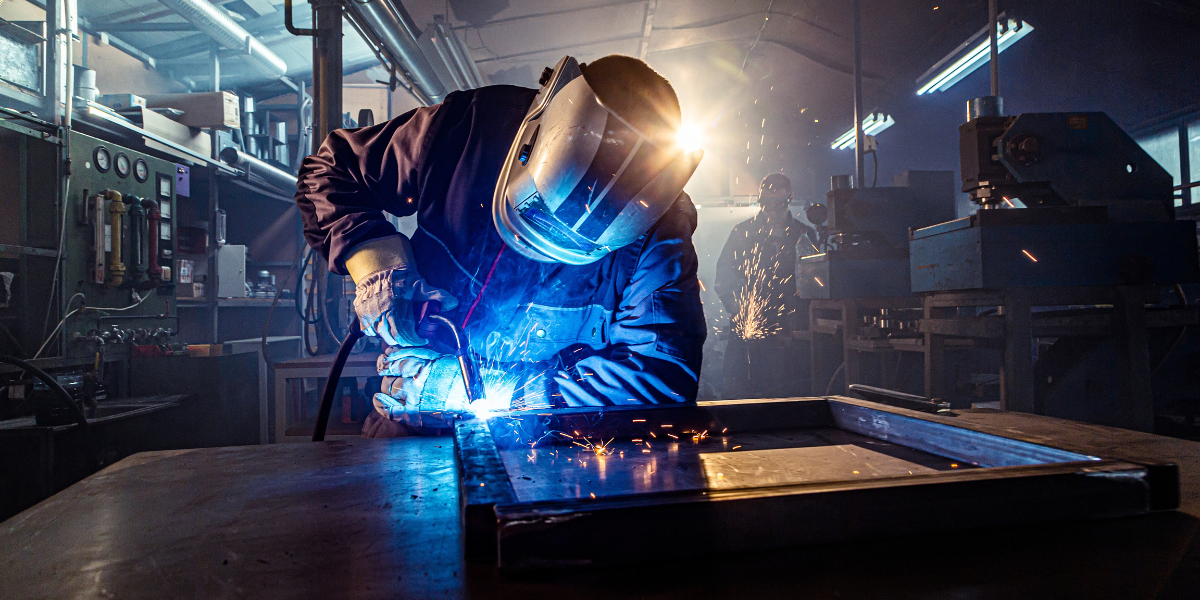
Sourcing welded metal assemblies involves evaluating the complete manufacturing process, from individual component fabrication to welding and finishing. The right combination of manufacturing capabilities can support the production of complex assemblies and finished metal products.
Washington Metal Fabricators supports businesses seeking custom components, industrial assemblies, and complete metal products. Contact our team to discuss your project and explore our manufacturing capabilities.
