
Precision Metal Manufacturing for High Tolerance Parts
High tolerance parts demand a different approach to metal production. When allowable variation is minimal and components must perform consistently across repeated runs, accuracy alone is not enough. Precision metal manufacturing focuses on controlling variation throughout the manufacturing process so parts meet specification every time, not just once.
In industrial manufacturing environments, high tolerance requirements often determine whether parts can be assembled efficiently, remain interchangeable, and perform reliably over time. Precision metal manufacturing supports these outcomes by emphasizing repeatability, measurement discipline, and process control at every stage of production.
What Defines a High-Tolerance Part in Metal Manufacturing

A high-tolerance part is defined not by complexity or appearance, but by how tightly its dimensions must conform to specification. In metal manufacturing, tolerance represents the allowable range of variation a part can have and still function as intended. As tolerance windows narrow, the margin for error during production decreases significantly.
High-tolerance parts typically share several characteristics:
Dimensional limits measured in thousandths rather than fractions
Minimal allowance for adjustment during assembly or installation
Dependence on upstream process stability to maintain consistency
Direct impact on part interchangeability and system performance
Because these parts are often integrated into larger assemblies or repeat production systems, even small deviations can create compounding issues downstream.
Precision Metal Manufacturing Versus General Fabrication
Precision metal manufacturing differs from general fabrication in both intent and execution. While general fabrication may focus on producing accurate parts for individual builds, precision manufacturing prioritizes consistency across volume and time.
Key distinctions include:
Repeatability across production runs rather than one-off accuracy
Measurement and verification built into the manufacturing process
Controlled variation instead of reliance on post-production adjustment
Emphasis on interchangeability rather than custom fit
In high-tolerance applications, manufacturing success is measured by how reliably parts conform to specification across every run, not by how well a single part meets the print.
How Variation Is Introduced in High-Tolerance Manufacturing
Variation is a natural byproduct of manufacturing, but in high-tolerance environments it must be actively managed. Understanding where variation originates helps explain why precision metal manufacturing requires disciplined systems rather than isolated corrective actions.
Common sources of variation include:
Material inconsistencies that affect forming or machining outcomes
Tool wear or setup drift that changes dimensions over time
Inconsistent forming or welding inputs across production stages
Sequencing issues that influence part geometry during fabrication
Measurement inconsistency that masks dimensional drift
Without process control, these factors can gradually push parts out of tolerance, even when individual steps appear acceptable in isolation.
Process Control and Repeatability in Precision Metal Manufacturing
Precision metal manufacturing relies on process control to maintain consistency across production. Rather than correcting variation after it occurs, controlled processes are designed to limit variation from the start.
Effective process control includes:
Standardized fabrication methods aligned with customer specifications
Controlled setups that maintain dimensional consistency
Consistent sequencing of fabrication and machining steps
Documentation that supports repeatability across builds
Verification integrated into production rather than isolated at the end
By maintaining control throughout the manufacturing process, high-tolerance parts can be produced reliably across both short runs and ongoing production programs.
Inspection, Measurement, and Verification for High-Tolerance Parts
Inspection plays a critical role in precision metal manufacturing, but it is most effective when used as a verification tool rather than a corrective measure. In high-tolerance environments, inspection supports process stability by identifying variation before it impacts production.
Key elements of effective verification include:
Dimensional checks at defined stages of production
Measurement consistency across parts and runs
Documentation confirming conformance to specifications
Early identification of drift before parts move out of tolerance
When inspection is integrated into the manufacturing workflow, it reinforces repeatability and supports long-term production stability.
Where High-Tolerance Precision Metal Manufacturing Is Most Critical
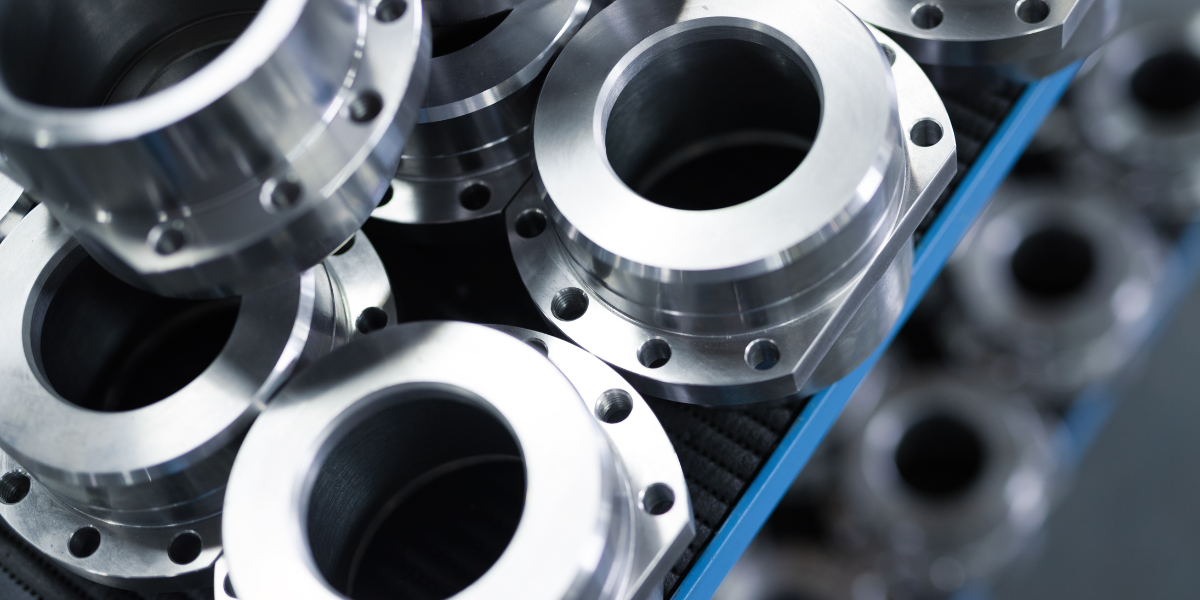
High-tolerance requirements are most common in applications where parts must perform consistently without adjustment. In these environments, precision manufacturing supports both functional performance and operational efficiency.
Examples include:
Interfacing components that must align precisely within assemblies
Parts designed for interchangeability across production systems
Assemblies sensitive to cumulative tolerance variation
Components supporting automated or repeat manufacturing processes
In these applications, maintaining dimensional consistency is essential to avoiding downtime, rework, or performance degradation.
How Washington Metal Fabricators Supports High-Tolerance Metal Manufacturing
Washington Metal Fabricators supports high-tolerance metal manufacturing by applying disciplined processes focused on accuracy, repeatability, and strict adherence to customer-provided documentation. Rather than relying on adjustment or interpretation, WMF emphasizes consistency in execution across every production stage.
High-tolerance manufacturing at WMF is supported through:
Manufacturing strictly to customer drawings and specifications
Fabrication processes designed to limit dimensional variation
Machining and fabrication practices that support tight tolerances
Controlled welding and forming to preserve part geometry
Assembly coordination to ensure part interchangeability
This approach allows WMF to support customers who require reliable, repeatable production of high-tolerance parts without deviation from established requirements.
Common Misconceptions About High-Tolerance Metal Parts
High-tolerance manufacturing is sometimes oversimplified, which can lead to unrealistic expectations or avoidable production challenges. Clarifying these misconceptions helps align manufacturing strategy with real-world requirements.
Common misconceptions include:
Tighter tolerances always slow production
Inspection alone ensures precision
Accuracy on one part guarantees repeatability
High-tolerance manufacturing depends on individual craftsmanship rather than systems
In practice, precision metal manufacturing depends on controlled processes, consistent verification, and disciplined execution across the entire production workflow. Washington Metal Fabricators applies this systems-driven approach to ensure high-tolerance parts are produced accurately and consistently, reducing uncertainty and supporting reliable outcomes for customers who require qualified, production-ready manufacturing.
Frequently Asked Questions About Precision Metal Manufacturing
What makes a part high tolerance in metal manufacturing?
High-tolerance parts have limited allowable dimensional variation and require consistent conformance to specification across production.
How does repeatability differ from accuracy?
Accuracy refers to how closely a single part meets specification, while repeatability reflects how consistently parts meet specification across multiple runs.
Can high-tolerance parts be produced at scale?
Yes. With proper process control and verification, high-tolerance parts can be produced reliably across both low-volume and ongoing production.
How does variation affect part interchangeability?
Uncontrolled variation can prevent parts from fitting or functioning consistently, undermining interchangeability and system performance.
Why is process control critical for tight tolerances?
Process control limits variation before it occurs, supporting consistent outcomes across production rather than relying on correction after the fact.
Precision Metal Manufacturing as a Discipline, Not a Capability
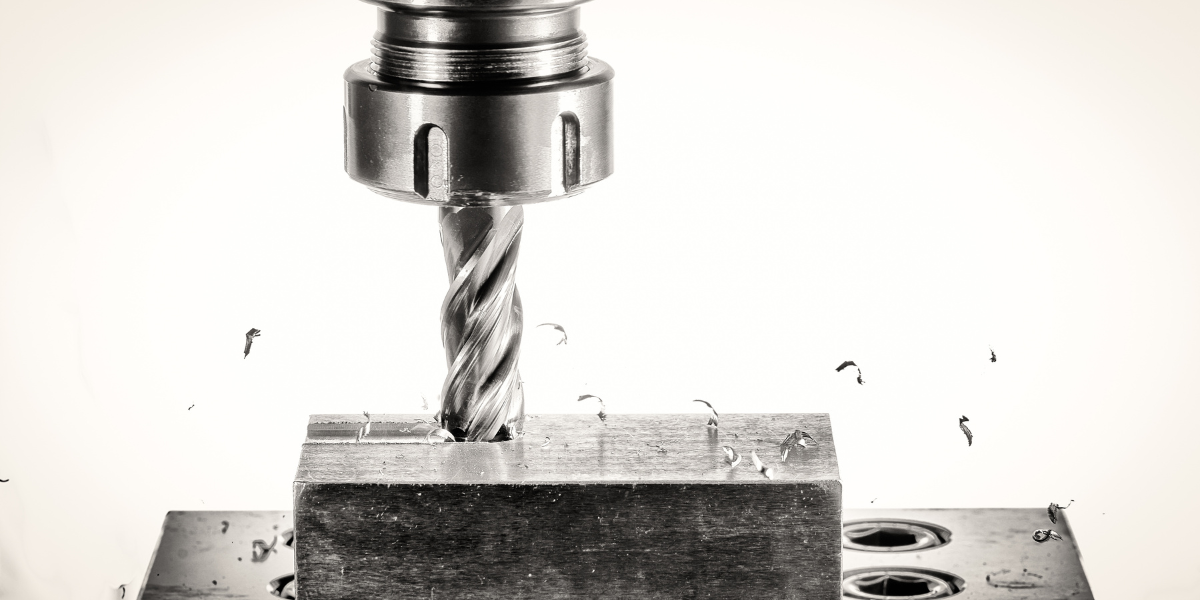
Precision metal manufacturing for high-tolerance parts is defined by control, consistency, and repeatability. When manufacturing systems are designed to manage variation and verify conformance at every stage, high-tolerance parts can be produced reliably across production programs.
If you are sourcing high-tolerance metal parts or preparing for repeat production, contact us to discuss your requirements and confirm manufacturing alignment.
You can also follow Washington Metal Fabricators on LinkedIn and Facebook for updates on manufacturing capabilities, production processes, and technical insight.
