
Custom Fabrication Services for Industrial Applications
Industrial manufacturing often requires components that cannot be sourced from standard catalogs. Equipment layouts, load requirements, and production environments vary widely, which makes custom fabrication a critical part of many industrial operations. When parts must meet precise specifications and perform reliably over time, custom metal fabrication provides the flexibility and control that off-the-shelf solutions cannot.
For industrial buyers, custom fabrication is about more than part creation. It is about partnering with a fabrication shop that understands production demands, material behavior, and the importance of consistency across every run. Washington Metal Fabricators provides custom fabrication services built to support industrial applications across the United States and Canada, with a focus on precision, quality, and dependable execution.
What Custom Fabrication Means in Industrial Manufacturing
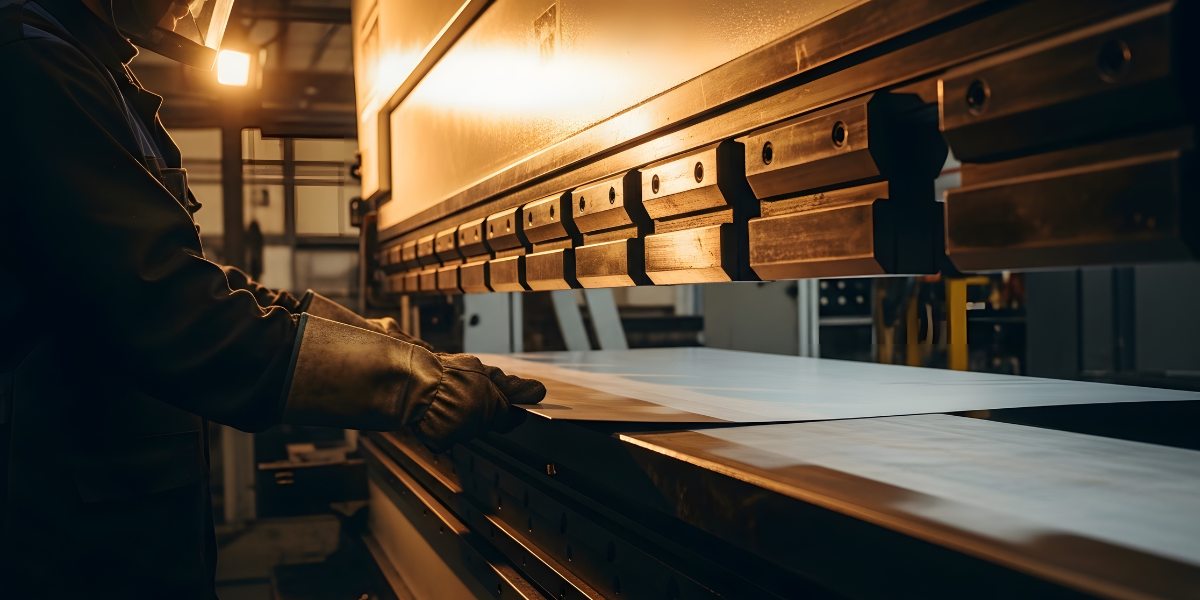
Custom fabrication refers to the production of metal components and assemblies built to customer-defined specifications rather than standardized dimensions. In industrial manufacturing, this approach allows companies to design parts around real operational needs instead of adapting equipment to fit available components.
Custom metal fabrication is commonly used when manufacturers need tighter tolerances, specific materials, or custom parts that integrate seamlessly into existing systems. These projects often require a higher level of coordination between engineering, fabrication, and quality control.
Key characteristics of industrial custom metal fabrication include:
Components built to exact drawings and specifications
Material selection based on performance and durability requirements
Controlled fabrication processes to ensure repeatability
Consistency across prototypes, short runs, and full production
This level of precision helps manufacturers reduce compromise and improve long-term performance.
Industrial Applications That Rely on Custom Metal Fabrication
Many industrial environments depend on fabricated components that must perform under continuous use and demanding conditions. Standard parts are often insufficient when applications require structural integrity, precise alignment, or custom integration.
Custom fabrication is frequently used for:
Structural components and frames
Welded assemblies and subassemblies
Equipment housings and enclosures
Production fixtures and supports
These components often play a direct role in operational efficiency. Poorly fabricated parts can lead to installation issues, premature wear, or production delays. Purpose-built fabrication helps reduce those risks by ensuring components fit correctly and perform as intended.
Industrial Sectors Supported by Washington Metal Fabricators
Washington Metal Fabricators supports a wide range of industrial sectors that require precise, made-to-spec metal components and assemblies. While many projects fall within core manufacturing and infrastructure-related applications, WMF regularly supports customers across additional industries with varying production and performance requirements. Industries and applications commonly supported include:
OEM component manufacturing, where parts must be produced to exact specifications and integrate seamlessly into existing systems
Electrical and control infrastructure, including enclosures and housings designed to protect sensitive equipment while maintaining accessibility
Machinery and equipment manufacturing, requiring precision-built components that support performance, durability, and repeatability
HVAC-related manufacturing, where fabricated products must meet defined fit, material, and performance requirements
Power and utility-related manufacturing, including transformer tanks and structural components built for demanding operating environments
Material handling and conveyor systems, where fabricated assemblies support continuous operation and production efficiency
In addition to these core applications, WMF also supports fabrication needs across other industries, including:Vehicular manufacturing, producing components built to strict dimensional and quality requirements
Medical and healthcare-related manufacturing, where consistency, accuracy, and conformance to specifications are critical
Retail and commercial storage solutions, including fabricated containment, shelving, and display structures used in large retail environments
This broad industry exposure allows Washington Metal Fabricators to adapt fabrication processes to a wide range of applications while maintaining consistent execution. Whether supporting established production programs or specialized builds, WMF focuses on producing components that conform precisely to customer designs and specifications.
Fabrication Services and Capabilities That Support Industrial Applications
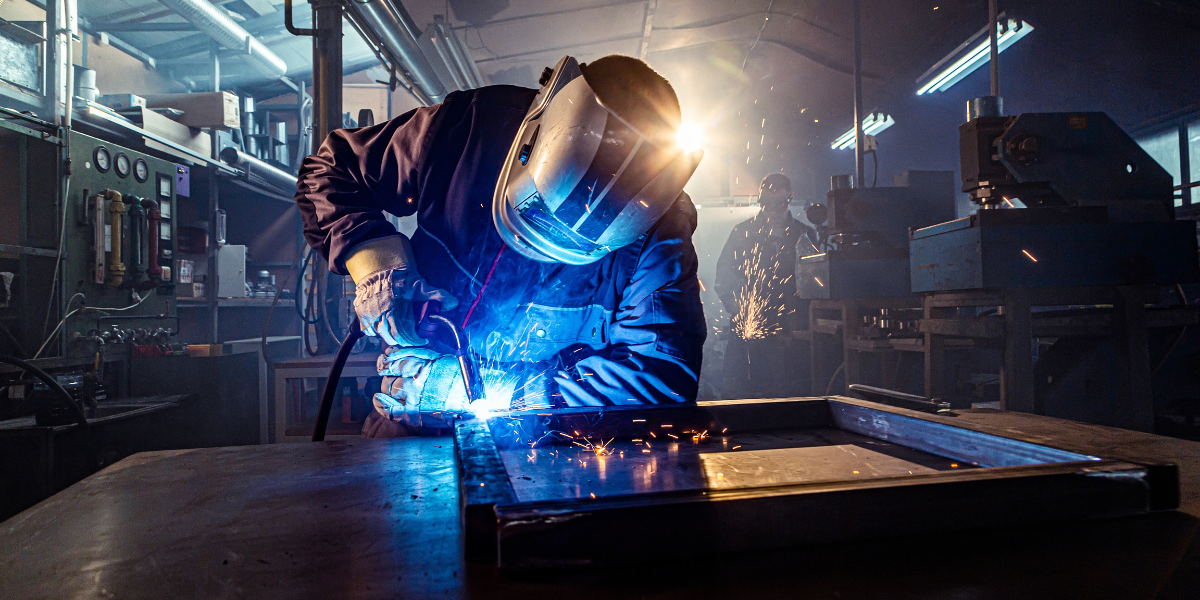
Supporting industrial manufacturing requires precise execution and strict adherence to customer requirements. Washington Metal Fabricators focuses on producing metal components and assemblies that conform exactly to provided drawings, specifications, and engineering documentation. WMF’s fabrication services support industrial projects through:
Manufacturing to customer prints and specifications, ensuring components meet defined dimensional and performance requirements
Laser cutting services, including sheet and tube cutting, to produce accurate geometries across a range of materials
Forming and stamping operations, supporting parts of varying sizes, thicknesses, and complexities
Manual and robotic welding, delivering consistent structural integrity across assemblies and production runs
Machining services, supporting both prototype quantities and high-volume production runs with tight tolerances
Surface finishing and powder coating, providing durable finishes suitable for interior and exterior applications
Assembly and warehousing support, including kitting, inventory programs, and production staging to support efficient supply chains
This execution-focused approach allows WMF to support industrial customers who require reliable, repeatable production without deviation from established designs.
How Custom Fabrication Supports Production Efficiency and Quality
Well executed metal fabrication contributes directly to smoother production workflows. Components that are built accurately require less adjustment during installation, which reduces labor time and minimizes disruption on the production floor.
Quality fabrication also improves long-term reliability. When parts are produced using appropriate materials and controlled processes, manufacturers experience fewer failures and less unplanned maintenance. Over time, this leads to more predictable operations and better cost control.
Custom fabrication supports production efficiency by:
Reducing rework and fit issues
Improving installation consistency
Supporting reliable downstream processes
Enhancing component lifespan
These benefits make custom metal fabrication an important investment for industrial operations focused on performance and uptime.
Geographic Reach and Logistics Advantages Across the U.S. and Canada
Fabrication capability is only part of the value equation. Location and logistics play a significant role in lead times and shipping efficiency. Washington Metal Fabricators strengthens its ability to serve industrial customers through a two-hub fabrication model.
Alongside its Washington, Missouri facility, WMF operates with its sister company EZ Fabricating, based in Chatfield, Minnesota. Together, these locations function as central fabrication hubs that improve shipping access to multiple regions throughout the United States and Canada.
This approach offers several logistical advantages:
Reduced transit distances for many customers
Improved freight efficiency and scheduling flexibility
Better support for multi-region manufacturing operations
By operating from two central locations, WMF and EZ Fabricating help industrial buyers manage timelines and shipping costs more effectively.
What to Look for in a Custom Fabrication Partner
Selecting a fabrication partner is a strategic decision that impacts both short-term projects and long-term production programs. Industrial buyers should look beyond price and consider how well a shop supports consistent manufacturing outcomes.
Important evaluation factors include:
Experience with complex industrial fabrication projects
Established quality control and inspection processes
Clear communication and documentation practices
Ability to support repeat production over time
A fabrication partner that understands both functional intent and real-world application is better positioned to support reliable manufacturing performance.
Frequently Asked Questions About Industrial Fabrication
How does made-to-spec fabrication differ from sourcing standard components?
Custom-built components are produced to meet specific requirements, which allows for better fit, performance, and integration into existing systems.
What types of projects benefit most from engineered fabrication solutions?
Projects involving unique equipment layouts, structural requirements, or specialized operating conditions often require fabricated components built specifically for their use.
How does fabrication quality affect long-term reliability?
Consistent fabrication processes help ensure components perform predictably, reducing downtime and maintenance issues over time.
Can fabrication shops support both low-volume and ongoing production needs?
Yes, established fabrication operations are capable of supporting prototypes, short runs, and repeat production when processes are properly controlled.
Why does fabrication location matter for shipping and logistics?
Centrally located fabrication hubs can reduce lead times, improve freight efficiency, and simplify coordination for manufacturers operating across multiple regions.
Supporting Industrial Manufacturing with Proven Fabrication Expertise
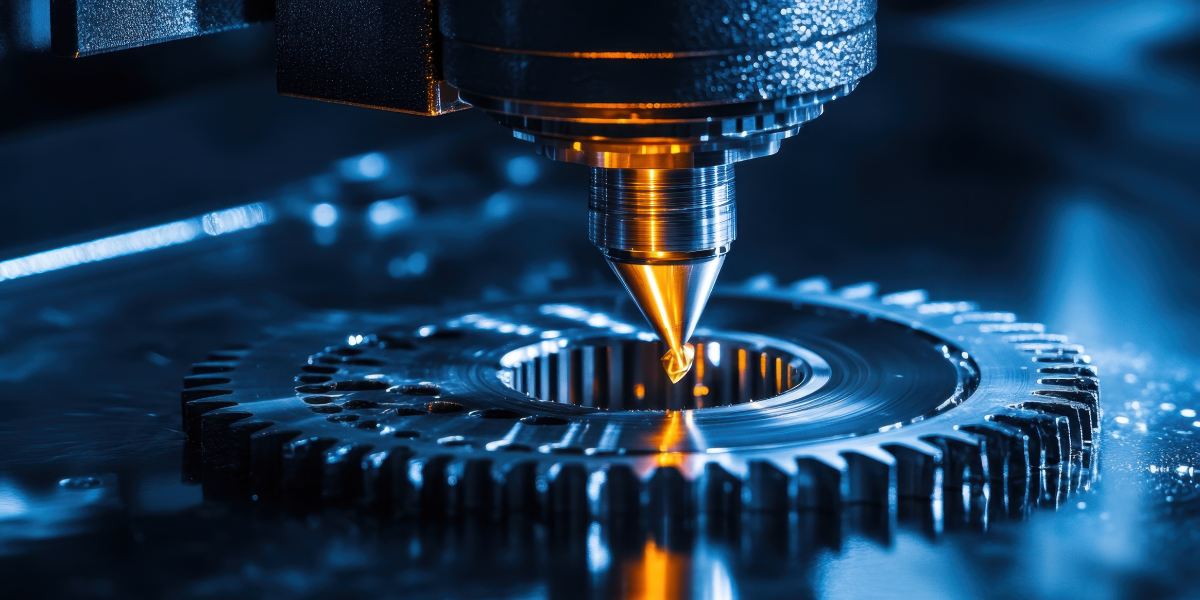
Custom fabrication plays a critical role in supporting industrial performance, efficiency, and reliability. Components built to exact specifications help manufacturers reduce production challenges and maintain consistent operations.
Washington Metal Fabricators provides metal fabrication services for industrial applications across the United States and Canada, supported by two centrally located fabrication hubs. To discuss your fabrication needs, Contact Us through the WMF website and connect with the team to explore how their capabilities can support your next project.
You can also stay connected by following Washington Metal Fabricators on Facebook and LinkedIn for updates on capabilities, projects, and industry insights.
