
Precision Metal Fabrication That Reduces Risk in Complex Industrial Projects
Complex industrial projects leave little room for error. As assemblies become more intricate and tolerances tighten, fabrication accuracy directly affects performance, reliability, and production timelines. In these environments, precision metal fabrication is not a preference or an upgrade. It is a requirement for managing risk and ensuring components perform as intended once integrated into larger systems.
For manufacturers handling high-complexity work, precision metal fabrication protects against downstream issues such as misalignment, rework, and production delays. Washington Metal Fabricators supports complex industrial projects across the United States and Canada by focusing on disciplined execution, repeatability, and strict conformance to customer specifications.
Why Precision Metal Fabrication Is Critical for High-Complexity Work
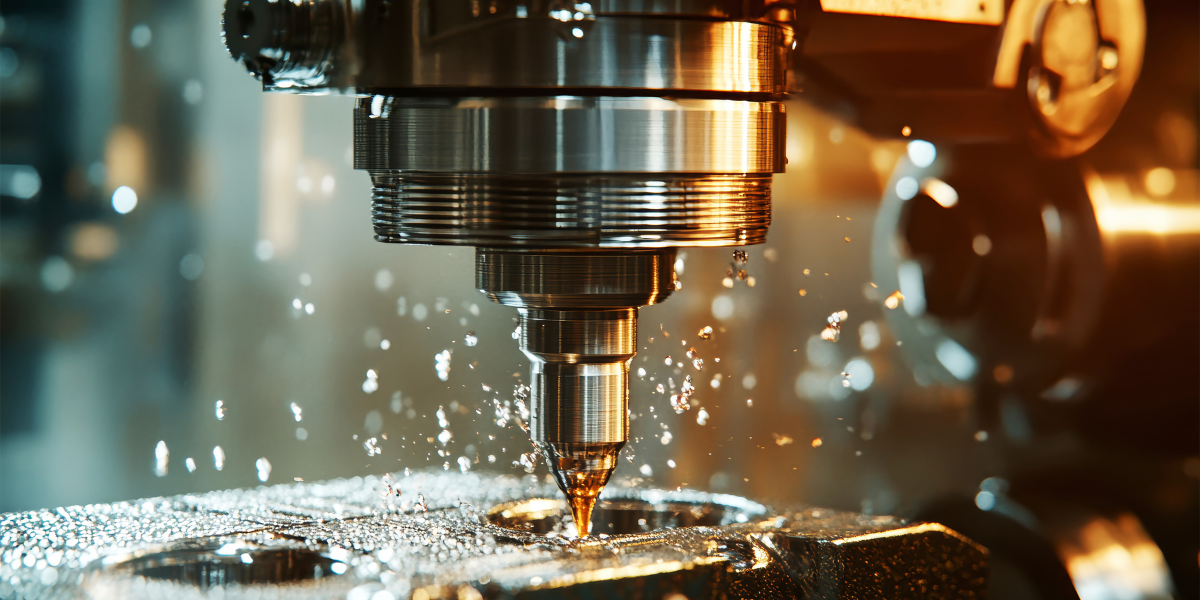
Precision metal fabrication in industrial manufacturing is defined by accuracy, repeatability, and process control. It is not about visual appearance or overengineering. It is about producing components that match provided drawings and specifications consistently, across every build.
High-complexity projects depend on precision because:
Tight dimensional tolerances leave little margin for adjustment
Assemblies rely on accurate fit across multiple components
Production workflows depend on predictable, repeatable results
Deviations can create downstream disruptions that affect entire systems
In these environments, precision supports reliability and reduces the need for workarounds that compromise long-term performance.
Common Precision Failure Points in Complex Industrial Projects and How To Avoid Them
In complex industrial projects, fabrication issues rarely stem from a single mistake. Problems are more often the result of small variances compounding across multiple parts, assemblies, and production stages. While individual components may appear acceptable in isolation, precision failures typically surface during assembly, installation, or production ramp-up, when correction options are limited, and costs increase.
Common precision-related failure points include:
Tolerance stack-up, where minor dimensional variations across multiple components accumulate and create fit or alignment issues
Misalignment during assembly, impacting structural integrity, performance, or integration with adjacent systems
Build-to-build variation, resulting in inconsistencies between prototype parts and repeat production runs
Assembly interference, where components meet specification individually but conflict once integrated
Late-stage rework, introducing schedule delays, additional labor, and higher production costs
Precision metal fabrication helps mitigate these risks by maintaining accuracy and repeatability throughout the fabrication process. Controlled cutting, forming, welding, and machining practices help ensure components align correctly within larger systems. Consistent process discipline and inspection further reduce the likelihood that small deviations will compound into larger operational issues.
For high-complexity industrial projects, precision is less about perfection on a single part and more about maintaining control across the entire build process. That control is what protects schedules, budgets, and long-term system performance.
Applications Where Precision Errors Carry Real Consequences
Certain industrial applications are especially sensitive to fabrication accuracy. In these cases, even small deviations can affect performance, safety, or production continuity.
Examples include:
Machinery and equipment assemblies, where accurate fit ensures proper operation and longevity
Electrical and control enclosures, where alignment impacts accessibility, protection, and integration
OEM components, requiring consistent dimensions across repeat production programs
Material handling and conveyor assemblies, where precision supports continuous operation
Automotive and medical manufacturing environments, where dimensional consistency is critical across high-volume or regulated processes
In these applications, precision is directly tied to reliability and operational stability.
How Washington Metal Fabricators Supports Precision Execution on Complex Industrial Projects
Washington Metal Fabricators supports precision execution by applying disciplined fabrication processes that are designed to prevent the types of issues that commonly disrupt complex industrial projects. Rather than interpreting or modifying customer intent, WMF focuses on producing components that conform exactly to provided drawings, specifications, and engineering documentation, ensuring consistency from the first build through repeat production.
Precision execution at WMF is reinforced through:
Manufacturing strictly to customer drawings and specifications, reducing the risk of tolerance drift or unintended variation
Controlled fabrication processes, designed to maintain dimensional consistency across multi-part assemblies and production runs
Precision sheet and tube cutting, supporting complex geometries that require accurate fit during assembly and installation
Manual and robotic welding, used to maintain structural accuracy and repeatability across builds
Machining services, supporting tight tolerances where even small deviations can impact downstream performance
Assembly and warehousing coordination, helping ensure components integrate correctly and arrive production-ready
By maintaining control at every stage of fabrication, Washington Metal Fabricators helps customers avoid common failure points associated with complex industrial work, including misalignment, rework, and inconsistent production results. This execution-focused approach allows WMF to support high-complexity projects with confidence, predictability, and long-term reliability.
Precision, Production Consistency, and Operational Reliability
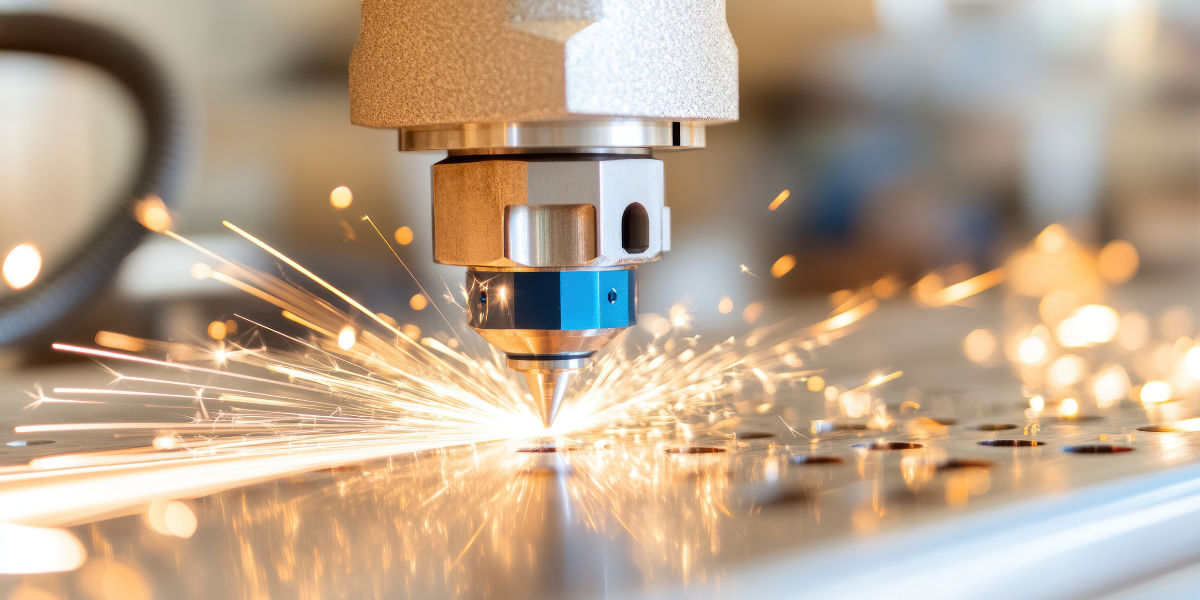
Precision metal fabrication plays a direct role in maintaining production consistency. When parts are produced accurately and repeatably, manufacturers benefit from smoother assembly and more predictable outcomes.
Precision supports operational reliability by:
Reducing rework and scrap
Improving first-fit assembly accuracy
Maintaining consistency across production volumes
Supporting stable schedules and output
For complex industrial projects, these benefits help protect both timelines and long-term performance.
Supporting Complex Projects Across the U.S. and Canada
Fabrication accuracy is only effective when paired with reliable coordination and logistics. Washington Metal Fabricators supports complex industrial projects through a two-hub fabrication model that improves coverage and consistency across regions.
In addition to its Washington, Missouri facility, WMF operates alongside its sister company EZ Fabricating, based in Chatfield, Minnesota. Together, these central locations support complex projects across the United States and Canada by improving coordination, freight efficiency, and production planning.
Frequently Asked Questions About Precision Metal Fabrication
What defines precision fabrication in complex industrial environments?
Precision fabrication focuses on dimensional accuracy, repeatability, and strict conformance to provided specifications across all production stages.
How does fabrication accuracy affect long-term performance?
Accurate fabrication reduces assembly issues, minimizes rework, and supports consistent performance over the life of the component or system.
Can precision fabrication support both prototypes and production runs?
Yes. Controlled processes allow fabrication shops to support initial builds as well as repeat production with consistent results.
How do fabrication processes impact consistency across builds?
Standardized processes and quality controls help ensure parts remain consistent from the first build through ongoing production.
Why does fabrication location matter for complex projects?
Centralized fabrication hubs help improve coordination, reduce transit variability, and support reliable delivery schedules.
Supporting Complex Industrial Projects Through Precision Execution
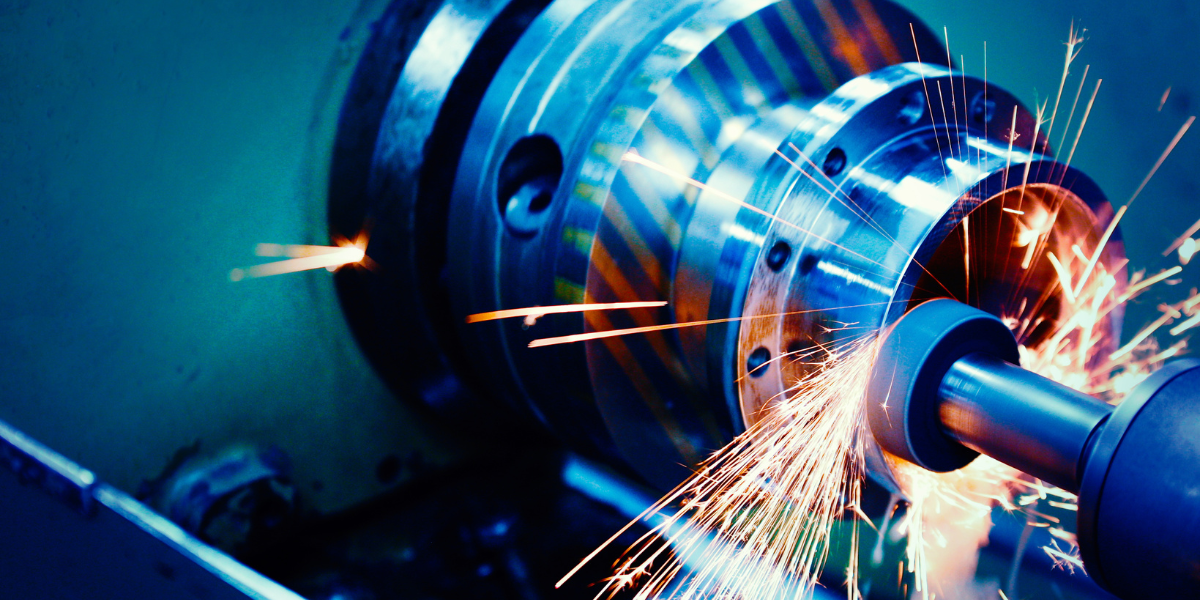
Precision metal fabrication is a critical factor in managing risk on complex industrial projects. When components are produced accurately and consistently, manufacturers can reduce disruptions and maintain predictable operations.
Washington Metal Fabricators supports complex industrial work through disciplined execution, strict conformance to customer specifications, and coordinated fabrication across multiple locations. To discuss your next project, you can request a quote and connect with the WMF team.
You can also stay connected by following Washington Metal Fabricators on LinkedIn and Facebook for updates on capabilities, projects, and industry insights.
