
Precision Fabricators That Deliver Consistent Industrial Quality
Many fabrication shops are capable of producing precise parts. Far fewer are able to deliver the same level of quality consistently across every job, team, and production cycle. For industrial buyers, this distinction matters. Consistent industrial quality is what separates a short-term vendor from a long-term precision fabricator.
Precision fabricators are trusted not only for technical capability, but for their ability to execute with discipline and predictability. When quality remains stable regardless of workload, timelines, or project complexity, manufacturers can plan with confidence, reduce operational risk, and avoid costly downstream disruption.
What Consistent Quality Looks Like in Precision Metal Fabrication
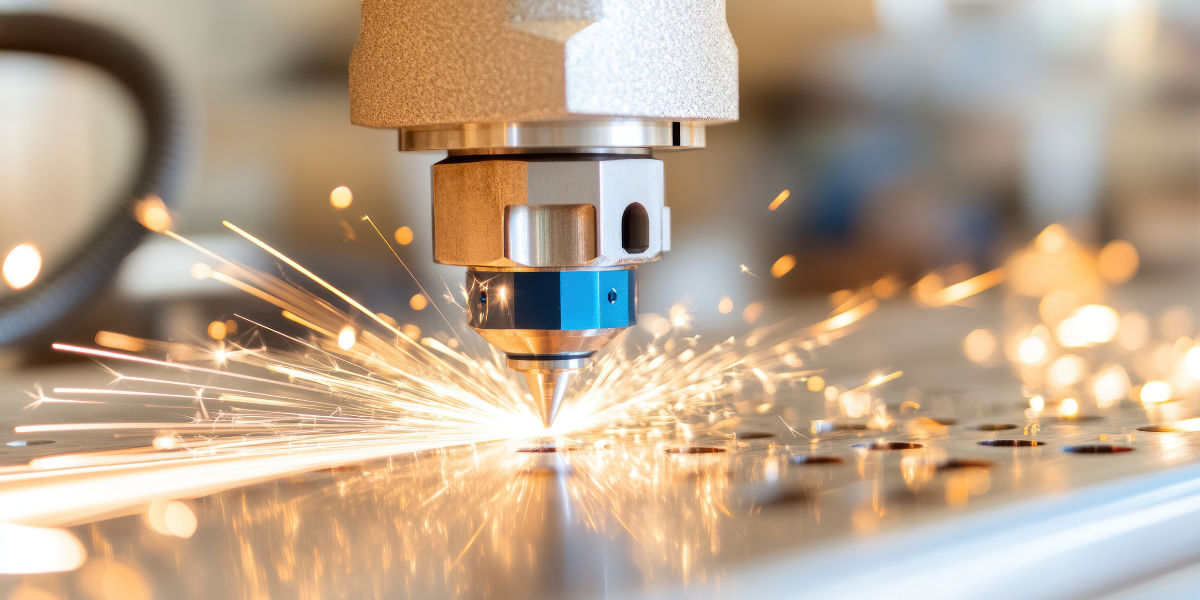
In precision metal fabrication, consistent quality extends beyond meeting specification on an individual part. It reflects an organization’s ability to deliver repeatable outcomes across production runs, teams, and timelines without variation in execution.
In practical fabrication environments, consistency includes:
Parts that meet specification across every build, not just initial runs
Fabrication standards that remain stable regardless of staffing or volume
Alignment between customer drawings, production execution, and inspection
Predictable results that support scheduling and downstream integration
For industrial manufacturers, consistent quality reduces rework, simplifies assembly, and supports reliable production performance over time.
The Difference Between Precision Capability and Precision Reliability
A fabrication shop may demonstrate precision capability by successfully completing a complex or demanding job. Precision reliability, however, is demonstrated through sustained performance. It reflects an organization’s ability to deliver the same quality repeatedly, not only when conditions are ideal.
Key distinctions include:
One successful project versus consistent results across ongoing programs
Individual expertise versus standardized execution across teams
Reactive quality control versus embedded discipline
Variable outcomes versus predictable performance
Precision fabricators earn long-term trust by proving that quality does not depend on a specific operator, shift, or circumstance.
Why Consistency Is a Core Requirement When Sourcing Precision Fabricators
For industrial buyers, consistency is not a secondary consideration. It is a core requirement when evaluating precision fabricators, especially for repeat production or multi-phase manufacturing programs. Inconsistent execution introduces risk that compounds over time and becomes increasingly difficult to manage.
When consistency is lacking, manufacturers often experience:
Increased internal quality oversight and intervention
Delays driven by rework or corrective action
Assembly and fit issues that surface late in the process
Erosion of confidence in supplier performance
Precision fabricators that deliver consistent quality help stabilize manufacturing programs by reducing uncertainty. This allows engineering, operations, and procurement teams to stay focused on production efficiency rather than problem resolution.
Where Consistent Quality Matters Most in Industrial Fabrication
Consistent quality is especially critical in industrial fabrication environments where parts are produced repeatedly, integrated into larger systems, or expected to perform without adjustment. In these applications, variability creates downstream risk that can affect assembly, performance, and production continuity.
Industries and applications where consistency is most impactful include OEM component manufacturing, where parts must remain interchangeable across production runs, and equipment manufacturing, where fabricated assemblies must integrate accurately with machined components. Electrical enclosures and infrastructure-related fabrication also rely on consistency to ensure fit, protection, and accessibility across installations.
In automated and material handling systems, even small variations can disrupt alignment or flow, creating operational inefficiencies. Similarly, in automotive and medical manufacturing environments, consistent execution supports reliability, compliance, and predictable performance across high-volume or repeat programs.
In these contexts, consistency is not a preference. It is a requirement that enables fabrication to function as a dependable part of the broader manufacturing process rather than a variable that requires constant correction.
How Precision Fabricators Maintain Quality Across Every Job
Consistent industrial quality is the result of organizational discipline rather than isolated processes. Precision fabricators embed quality expectations into how work is planned, executed, and verified across all projects.
This approach typically includes:
Standardized production and quality expectations
Clear documentation and work instructions
Defined checkpoints throughout fabrication and assembly
Accountability at each stage of production
Consistent communication between departments
When these elements are in place, quality becomes repeatable rather than dependent on individual effort.
Maintaining Consistent Quality Across Volume, Scheduling, and Change
In real-world industrial environments, fabrication work rarely occurs under static conditions. Production volumes shift, schedules tighten, and requirements evolve over time. Maintaining consistent quality under these conditions is one of the defining challenges that separates true precision fabricators from shops that perform well only in ideal scenarios.
As volume increases, variability often increases with it. More parts, more handoffs, and more production pressure create additional opportunities for deviation. Scheduling changes can introduce further strain, particularly when priorities shift or timelines compress. Without disciplined execution standards, quality can fluctuate as conditions change.
Precision fabricators that deliver consistent quality are structured to absorb these pressures without altering outcomes. Quality expectations remain stable regardless of production volume, delivery timing, or job complexity. Documentation, communication, and accountability stay aligned even as workloads change.
This ability to maintain consistency through change is critical for manufacturers operating repeat programs or scaling production over time. When quality remains predictable across varying conditions, fabrication becomes a reliable component of the broader manufacturing process rather than a variable that requires constant oversight.
How Washington Metal Fabricators Delivers Consistent Industrial Quality
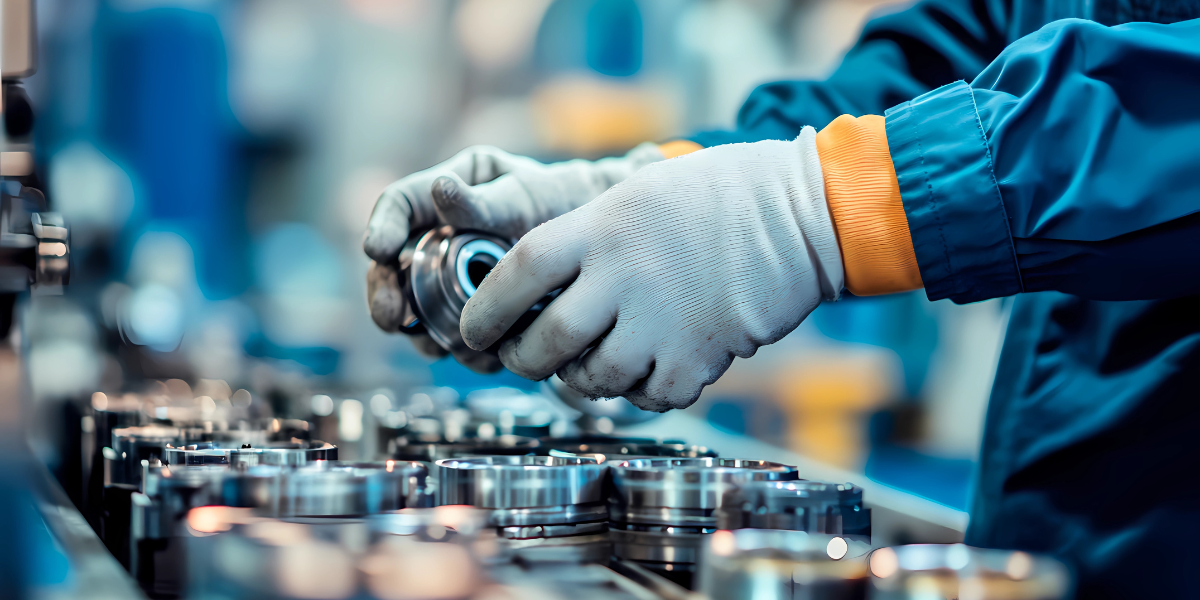
Washington Metal Fabricators delivers consistent industrial quality by applying disciplined execution standards across every job, regardless of size or complexity. Rather than adjusting quality expectations on a case-by-case basis, WMF maintains uniform fabrication practices aligned with customer requirements.
Consistency at WMF is supported through:
Strict adherence to customer drawings and specifications
Disciplined fabrication processes applied across all work
Consistent quality expectations regardless of production volume
Coordination between fabrication, machining, and assembly
Internal standards designed to support repeatable outcomes
This execution-focused approach allows WMF to serve as a reliable precision fabricator for manufacturers who prioritize stability, predictability, and long-term performance. This consistency allows customers to treat Washington Metal Fabricators as a long-term production partner rather than a vendor that requires constant oversight.
Why Consistency Is Critical for Long-Term Industrial Partnerships
For industrial buyers, consistency directly impacts cost control, scheduling, and operational efficiency. Working with precision fabricators that deliver stable quality reduces the need for oversight and supports smoother production planning.
Consistent industrial quality helps support:
Fewer disruptions and reduced rework
More predictable production schedules
Lower internal quality management burden
Stronger confidence in long-term supplier relationships
Over time, consistency becomes a strategic advantage rather than an assumed baseline.
Frequently Asked Questions About Precision Fabricators
What makes a fabricator truly precision-focused?
Precision fabricators combine technical capability with disciplined execution, ensuring consistent quality across all jobs and production runs.
How can buyers assess consistency before committing long term?
Consistency is reflected in documented processes, quality standards, and the ability to deliver repeatable outcomes over time.
Why do some precision fabricators struggle with repeat quality?
Inconsistency often results from uneven standards, communication gaps, or reliance on individual effort rather than systems.
How does organizational discipline affect fabrication outcomes?
Disciplined organizations maintain alignment between documentation, production, and inspection, reducing variation and rework.
What role does documentation play in consistent quality?
Clear documentation supports consistent interpretation of specifications and reinforces repeatable execution across teams.
Consistent Industrial Quality as a Strategic Advantage

Precision fabricators that deliver consistent industrial quality provide more than accurate parts. They offer reliability, predictability, and confidence across manufacturing programs. When quality remains stable across jobs and over time, manufacturers can operate more efficiently and reduce operational risk.
For manufacturers seeking a precision fabrication partner built around consistency and execution discipline, contact us to discuss quality expectations, production requirements, and long-term manufacturing alignment. You can also stay connected by following Washington Metal Fabricators on LinkedIn and Facebook for updates on fabrication expertise, operational insight, and production-focused capabilities.
