
What Does a Metal Fabricator Do? Industrial Processes and Fabrication Capabilities Explained
A metal fabricator plays a critical role in industrial manufacturing by transforming raw metal materials into finished components used in equipment, infrastructure, and commercial systems. Companies across many industries rely on metal fabrication to produce durable parts such as electrical enclosures, transformer tanks, machine components, and OEM assemblies.
Understanding what a metal fabricator does helps manufacturers and procurement teams identify the right fabrication partner for their projects. Metal fabrication involves several production processes including cutting, forming, welding, and machining. These processes allow metal fabricators to manufacture custom components that meet strict industrial specifications and performance requirements.
What Does a Metal Fabricator Do in Industrial Manufacturing?
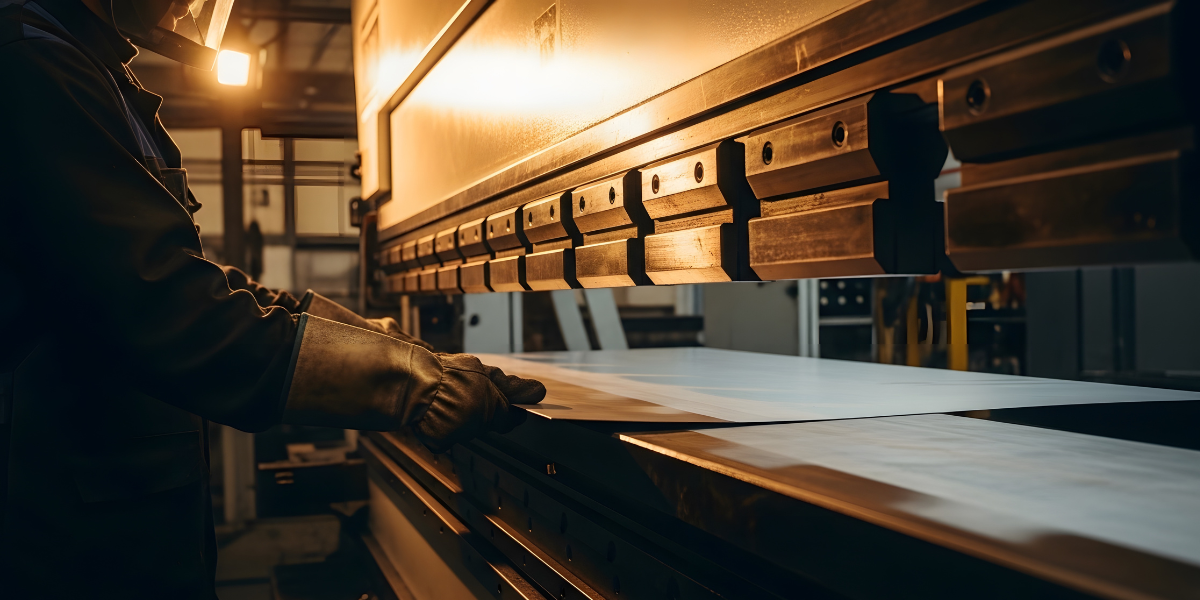
A metal fabricator manufactures metal components and assemblies used in machinery, infrastructure, and industrial systems. Fabrication companies work with raw metal materials and transform them into finished products that meet precise dimensional and performance requirements.
Unlike standardized parts purchased from catalogs, fabricated metal components are typically produced according to detailed specifications. Equipment manufacturers, utilities, and industrial contractors often rely on a metal fabricator to supply parts that must integrate with existing equipment or production systems.
Fabricators commonly work with several industrial metals, including:
• Carbon steel
• Stainless steel
• Aluminum
• Specialty alloys
Each material is selected based on the strength, corrosion resistance, and environmental conditions required for the final component.
Metal Fabrication Processes Used by a Metal Fabricator
Metal fabrication involves several production processes that transform raw metal into finished industrial components. Each step ensures that the final product meets the specifications required for industrial use.
Cutting is typically the first stage of fabrication. Technologies such as laser cutting, plasma cutting, and waterjet cutting allow a metal fabricator to create precise shapes from sheet or plate metal.
Forming processes shape the metal without removing material. Equipment such as press brakes and rolling machines are used to bend metal components into the required geometry.
Welding joins multiple pieces of metal together to create durable assemblies capable of withstanding demanding industrial environments.
Some projects also require machining operations to achieve tight tolerances or prepare components for assembly with other equipment.
Common fabrication processes include:
• Laser cutting and plasma cutting
• Press brake forming and rolling
• MIG and TIG welding
• Precision machining operations
These processes allow a metal fabricator to produce components that meet exact industrial requirements.
Products Manufactured by Industrial Metal Fabricators
Industrial fabrication companies manufacture a wide range of metal components used in equipment and infrastructure. These components must often meet strict performance standards because they are used in demanding environments.
Fabricated products frequently include:
• Electrical enclosures that protect electrical equipment
• Transformer tanks used in power infrastructure
• Machine components used in industrial equipment
• OEM components manufactured for equipment suppliers
• Structural assemblies used in commercial and industrial systems
These products are typically manufactured according to detailed specifications so they integrate properly with larger mechanical or electrical systems.
Industries That Rely on Metal Fabrication Companies

Many industries depend on fabrication companies to manufacture essential metal components. A reliable metal fabricator helps ensure that equipment and infrastructure can operate safely and efficiently over time.
Industries that commonly rely on fabrication services include:
Power infrastructure
Industrial manufacturing
Equipment manufacturing
Utilities and energy providers
Commercial construction
HVAC and Duct Work
These industries require durable metal components that can withstand heavy use, environmental exposure, and long operating lifespans.
How Industrial Companies Choose the Right Metal Fabricator
Selecting the right metal fabricator is an important decision for manufacturers and contractors. Industrial buyers typically evaluate several factors when determining whether a fabrication partner is capable of meeting their requirements.
Key considerations often include:
• Fabrication capabilities and production equipment
• Experience working with specific metals
• Welding expertise and quality control procedures
• Production capacity and delivery reliability
• Ability to meet detailed project specifications
A fabrication partner that consistently produces high-quality components and meets production timelines becomes a valuable long-term resource for manufacturers and industrial companies.
Why Manufacturers Work With Custom Metal Fabricators
Custom fabrication allows companies to produce metal components that are not available as standard off-the-shelf products. A metal fabricator can manufacture parts according to specific project requirements so they integrate properly with existing equipment or infrastructure.
For many manufacturers, working with a fabrication partner provides several advantages. Custom fabrication ensures that components are built to match operational needs, meet required tolerances, and maintain durability in demanding industrial environments.
By partnering with an experienced metal fabricator, companies can maintain consistent production quality and ensure that equipment and infrastructure operate reliably over time.
Frequently Asked Questions About Metal Fabricators
What does a metal fabricator do?
A metal fabricator transforms raw metal materials into finished industrial components using processes such as cutting, forming, welding, and machining. These components may include electrical enclosures, machine parts, transformer tanks, and OEM assemblies used in industrial systems.
What is metal fabrication?
Metal fabrication is the process of manufacturing metal components by cutting, bending, welding, and assembling metal materials into finished products used in industrial equipment and infrastructure.
What materials do metal fabricators work with?
Metal fabricators commonly work with carbon steel, stainless steel, aluminum, and other specialty alloys depending on the strength and durability requirements of the project.
What industries use metal fabrication services?
Industries that frequently rely on metal fabrication include power infrastructure, industrial manufacturing, utilities, equipment manufacturing, and commercial construction.
How do companies choose the right metal fabricator?
Companies typically evaluate fabrication capabilities, production capacity, material expertise, and quality control procedures when selecting a fabrication partner.
Work With an Experienced Metal Fabricator
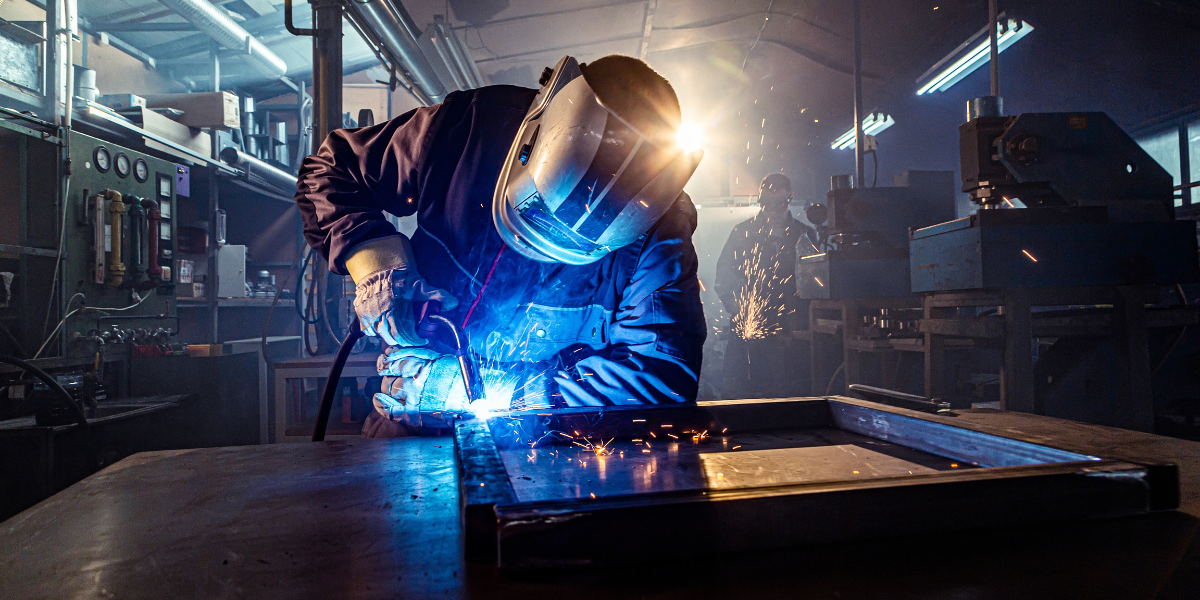
Choosing the right fabrication partner can make a significant difference in the quality, durability, and reliability of industrial components. An experienced metal fabricator provides the expertise, equipment, and production capabilities needed to manufacture parts that meet demanding specifications.
If your company is looking for a reliable fabrication partner, the team at Washington Metal Fabricators has the experience and capabilities to support a wide range of industrial projects.
To learn more about their fabrication capabilities or request information about a project, contact Washington Metal Fabricators.
You can also stay connected and see updates from their team by following them on Facebook and LinkedIn.
