
Custom Sheet Metal Fabrication: Processes, Capabilities, and Industrial Applications
Custom sheet metal fabrication plays a key role in producing precision components for industrial equipment and infrastructure. When standard parts fall short, companies rely on custom sheet metal fabrication to meet exact specifications, ensure durability, and support long-term performance in demanding environments. For engineers and procurement teams, the difference often comes down to how well a fabrication partner can execute on both process and consistency.
Custom Sheet Metal Fabrication for Industrial Components and Systems

Custom sheet metal fabrication is used to create a wide range of components that support industrial systems. These include brackets, panels, housings, structural parts, and fully assembled units. Each component must align with existing equipment, fit within tight tolerances, and perform reliably under real-world conditions.
Unlike off-the-shelf parts, custom fabrication allows for:
Precise dimensions and tolerances
Seamless integration with existing systems
Material selection based on application requirements
Flexibility in both prototyping and production
This level of control helps reduce installation challenges and ensures that parts function as intended from day one.
Core Fabrication Processes That Drive Precision and Consistency
The quality of custom sheet metal fabrication depends on the processes used to produce each component. Precision at every stage is what separates reliable parts from those that require rework or adjustments in the field.
Key processes include:
Laser cutting for accurate shapes and clean edges
CNC punching for repeatable hole patterns and complex geometries
Forming and bending to achieve required angles and structural integrity
Welding and assembly to ensure strength and durability
Finishing processes such as powder coating or plating for protection
Each of these steps directly impacts the final product. When handled with consistency and attention to detail, they result in components that meet both functional and visual requirements.
Built to Meet Your Needs and Specifications
One of the main advantages of custom sheet metal fabrication is the ability to build components that align with specific project requirements. Industrial applications often involve unique constraints, and flexibility in fabrication is essential to meeting those demands.
This includes:
Custom part geometries and configurations
Cutouts for mounting, wiring, or ventilation
Tight tolerances for proper fit and performance
Repeatability across production runs
By fabricating parts to match project specifications, companies can avoid costly modifications during installation and reduce the risk of performance issues later on.
Material Selection for Industrial Performance
Material choice is a critical factor in custom sheet metal fabrication, as it directly affects durability, weight, and resistance to environmental conditions. Selecting the right material ensures that components perform reliably over time.
Common materials include:
Carbon steel for strength and cost efficiency
Stainless steel for corrosion resistance and longevity
Aluminum for lightweight applications and ease of fabrication
Each material offers different advantages, and the right selection depends on the specific demands of the application.
From Prototype to Production: Scaling with Confidence
Moving from an initial concept to full production is where many fabrication projects run into challenges. Early-stage prototypes may perform well, but scaling those designs into repeatable, production-ready components requires careful planning and process control.
A reliable fabrication process ensures that what works in a prototype phase translates consistently into larger production runs. This includes maintaining tight tolerances, ensuring material consistency, and aligning fabrication methods with long-term production goals.
For industrial applications, this transition is critical. Delays, inconsistencies, or design mismatches at the production level can lead to costly setbacks and operational inefficiencies.
Working with a fabrication partner that understands both prototyping and production helps reduce these risks. It allows for smoother transitions, more predictable timelines, and components that perform the same way across every unit produced.
Industrial Applications Across Equipment and Infrastructure
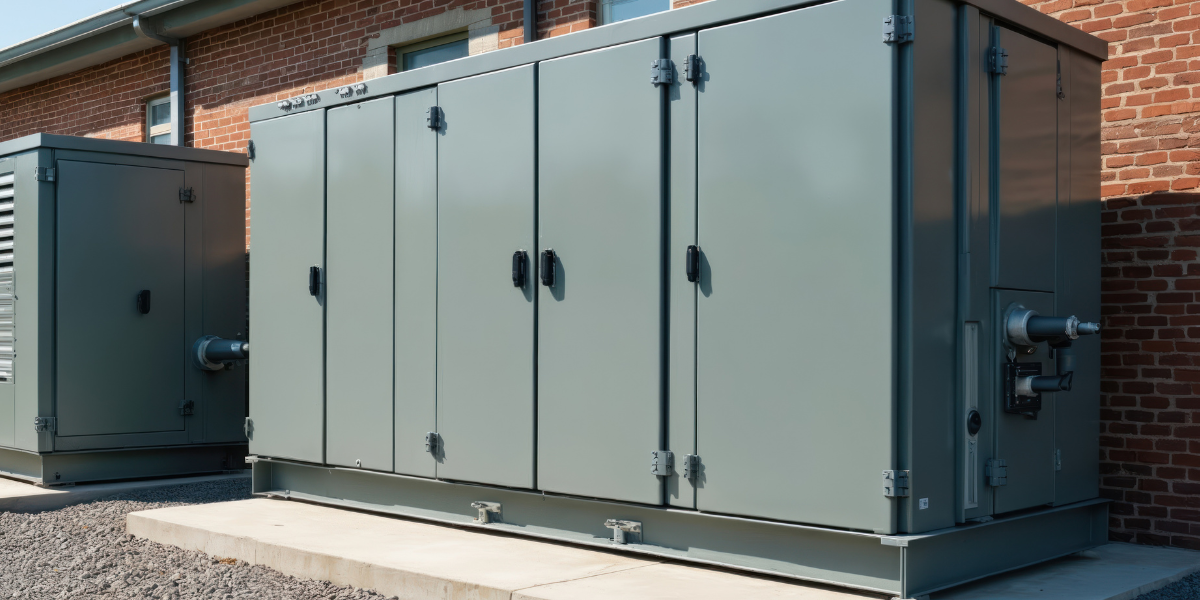
Custom sheet metal fabrication supports a wide range of industries where precision and durability are essential. These components are often used in applications where performance cannot be compromised.
Common uses include:
Industrial machinery and equipment components
Electrical enclosures and control panels
Structural parts for infrastructure projects
Manufacturing and production systems
Because these applications vary widely, custom sheet metal fabrication provides the flexibility needed to meet specific operational requirements.
Why Custom Fabrication Reduces Rework and Improves Efficiency
Standard parts can create challenges when they do not align with project requirements. Custom sheet metal fabrication helps eliminate these issues by delivering components that are built for the application from the start.
Key benefits include:
Reduced need for on-site modifications
Better fit and alignment during installation
Improved long-term performance
Fewer delays caused by part adjustments
By getting it right the first time, companies can improve efficiency and reduce unnecessary costs.
Choosing the Right Fabrication Partner
Selecting the right partner for custom sheet metal fabrication is just as important as the design itself. A qualified fabrication partner will have the capabilities and experience needed to deliver consistent, high-quality results.
When evaluating a fabrication partner, consider:
Experience with industrial and infrastructure projects
Range of fabrication capabilities and equipment
Ability to maintain tight tolerances and consistency
Clear communication throughout the project
Working with a reliable partner helps ensure that components are produced accurately and delivered on schedule.
Quality Control and Consistency in Production
Consistency is one of the most important factors in any fabrication project, especially when parts are produced in larger quantities or used in critical applications. Even small variations can create challenges during assembly or impact overall system performance.
Reliable fabrication depends on maintaining tight control throughout the production process. This includes accurate measurements, repeatable processes, and thorough inspections at key stages. When quality control is built into the workflow, it helps ensure that every part meets the same standard.
For industrial buyers, this level of consistency reduces the risk of delays, minimizes rework, and supports smoother integration into existing systems. It also provides confidence that future production runs will match the original specifications without unexpected variation.
FAQ: Custom Sheet Metal Fabrication
What is custom sheet metal fabrication used for?
Custom sheet metal fabrication is used to create components for industrial equipment, infrastructure systems, and manufacturing applications that require precise specifications and reliable performance.
What materials are commonly used in sheet metal fabrication?
Carbon steel, stainless steel, and aluminum are the most common materials, each selected based on strength, weight, and environmental conditions.
What processes are involved in fabrication?
Typical processes include laser cutting, CNC punching, forming, welding, and finishing, all of which contribute to the quality of the final component.
How does custom fabrication improve efficiency?
By producing parts that match exact specifications, custom fabrication reduces the need for rework, shortens installation time, and improves overall performance.
Precision Fabrication for Industrial Applications

Custom sheet metal fabrication is essential for producing components that meet the demands of modern industrial and infrastructure systems. From material selection to process control, every detail contributes to the performance of the final product.
If you are in need of a trusted fabrication partner for your next project, working with an experienced fabricator can help ensure your requirements are met with precision and consistency. Contact Washington Metal Fabricators to discuss your project! Be sure to follow us on Facebook and LinkedIn to stay up to date on our latest projects and gain industry insights.
