
Custom Metal Components: Manufacturing Parts for Industrial Equipment and Infrastructure
Custom metal components are essential to the performance and reliability of both industrial equipment and large-scale infrastructure systems. When standard parts do not meet the demands of an application, custom fabricated metal components provide the flexibility to build parts that align with specific requirements, environmental conditions, and long-term performance goals.
From small brackets to large fabricated assemblies, these components play a critical role in supporting systems that must operate consistently under real-world conditions. For engineers and procurement teams, sourcing the right components is not just about availability. It is about ensuring proper fit, durability, and performance over time.
Custom Metal Components for Industrial Equipment and Infrastructure
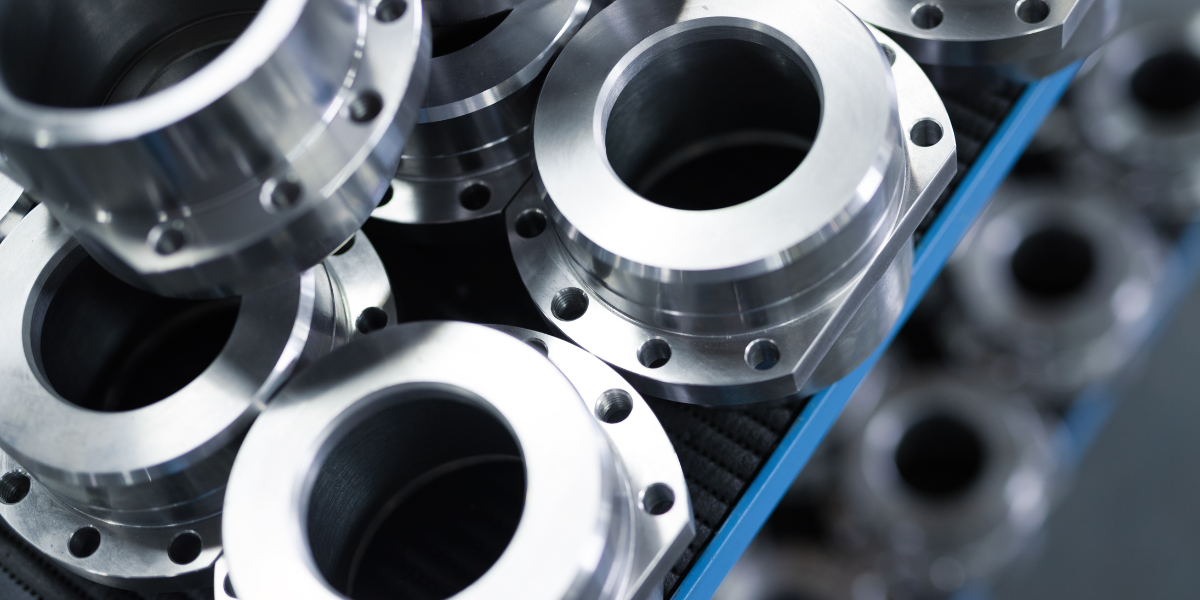
Fabricated metal components are used across a wide range of applications where precision, strength, and reliability are required. In industrial equipment, these components often support structural integrity, system function, or integration between moving parts. In infrastructure projects, they may serve as structural elements, enclosures, or support systems.
Unlike standard parts, custom fabricated metal components are manufactured with the end application in mind. This allows for better alignment with system requirements and reduces the need for modifications during installation.
Key advantages include:
Components built to exact dimensions and specifications
Improved compatibility with existing systems
Flexibility in design and production
Consistency across production runs
This level of customization helps ensure that components perform as expected in both industrial and infrastructure environments.
From Small Parts to Large Custom Metal Components
One of the defining advantages of custom metal parts is the ability to produce parts at a wide range of sizes and levels of complexity. Projects may require anything from small precision parts to large fabricated structures, all designed to meet specific application requirements.
This range includes:
Small brackets, panels, and mounting components
Medium-sized assemblies used within equipment systems
Large fabricated components for infrastructure and structural applications
Having the capability to scale production across different sizes allows companies to source multiple component types from a single fabrication partner. It also helps ensure consistency in quality and performance across all parts of a project.
Designing Components for Fit, Function, and Real-World Use
Custom metal components must be designed with real-world conditions in mind. This means going beyond basic dimensions and considering how each part will function within a system over time.
Important considerations include:
Proper alignment with surrounding components
Load requirements and stress points
Movement or vibration within the system
Environmental exposure such as moisture or temperature changes
Designing for these factors helps ensure that components not only fit correctly, but also maintain performance throughout their lifecycle.
Material Selection Based on Application and Environment
Material selection is a critical factor in determining how custom metal components will perform. Different applications require different material properties, and selecting the right material helps ensure durability and long-term reliability.
Common material considerations include:
Strength requirements for structural or load-bearing parts
Corrosion resistance for outdoor or harsh environments
Weight considerations for system efficiency
Wear resistance for components exposed to repeated use
Choosing the appropriate material ensures that components can withstand the conditions they will face while maintaining consistent performance.
Applications Across Industrial and Infrastructure Projects
Custom metal components are used in a wide range of industrial and infrastructure applications. These components support both the function and structure of systems that must operate reliably over time.
Common applications include:
Equipment components within manufacturing systems
Structural elements used in infrastructure projects
Enclosures and housings for electrical or mechanical systems
Support components within automated or mechanical systems
Because each application presents unique challenges, custom fabrication of metal components provides the flexibility needed to meet specific operational requirements.
Custom Metal Components Across Key Industries
Different industries rely on custom metal parts to support their equipment and infrastructure. While the specific applications may vary, the need for reliable, well-designed components remains consistent.
In manufacturing environments, components are used within production systems to maintain efficiency and support consistent output. Properly designed parts help reduce downtime and improve overall performance.
In construction and infrastructure projects, components must provide strength and durability. These parts often serve as structural elements that support long-term use in demanding conditions.
In energy and utility applications, components are exposed to harsh environments and must maintain performance over time. Durability and material selection are critical in these settings.
In industrial processing operations, components must function continuously while maintaining alignment and reliability. Consistency in manufacturing helps ensure smooth operation across systems.
Reducing Delays and Rework with Application-Specific Components
Standard components can create challenges when they do not align with project requirements. Custom metal components help eliminate these issues by delivering parts that are built specifically for the application.
Key benefits include:
Reduced need for on-site adjustments
Improved fit during installation
Fewer delays caused by mismatched components
Greater consistency across production runs
By reducing the need for rework, companies can keep projects on schedule and improve overall efficiency.
What to Look for in a Fabrication Partner for Complex Projects
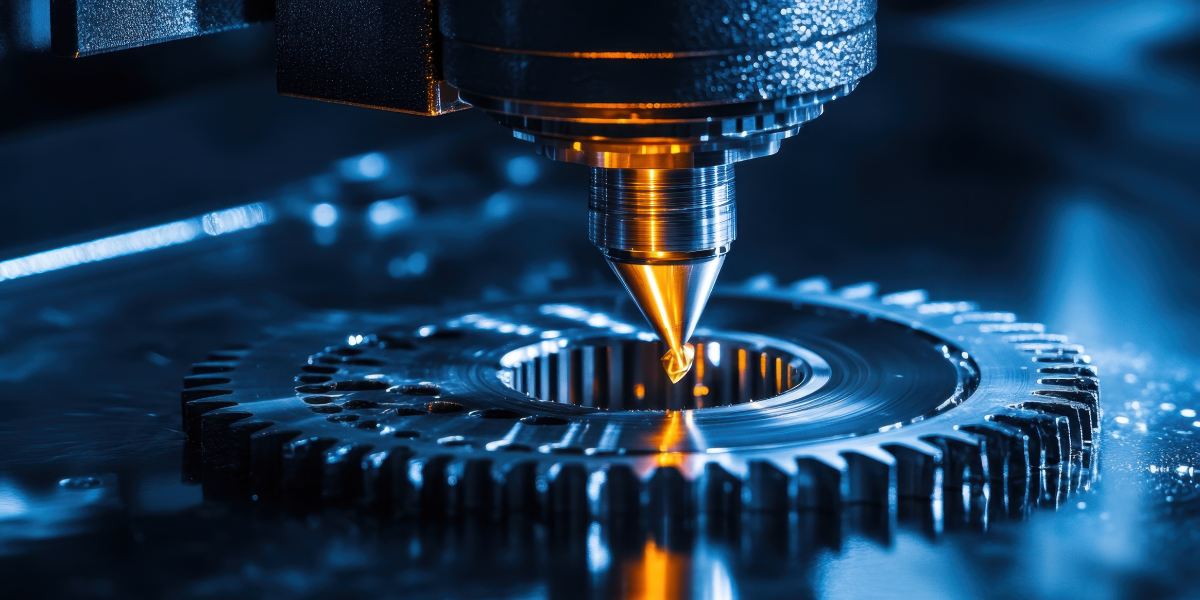
Choosing the right partner for manufacturing custom metal components is critical to achieving consistent results. Not all fabrication providers offer the same level of capability, experience, or reliability.
When evaluating a fabrication partner, consider:
Experience with both industrial equipment and infrastructure projects
Ability to handle a range of component sizes and complexities
Consistency in maintaining specifications across production runs
Clear communication and project coordination
A strong fabrication partner will help ensure that components are produced accurately and delivered on time, supporting the success of the overall project.
FAQ: Custom Metal Components
What are custom metal components used for?
Custom metal parts and components are used in industrial equipment and infrastructure systems where standard parts do not meet specific performance or design requirements.
What materials are used for these components?
Materials vary based on the application and may include carbon steel, stainless steel, and aluminum, selected for strength, durability, and environmental resistance.
Can custom components be produced at different scales?
Yes, custom metal components can range from small precision parts to large fabricated structures, depending on project needs.
Why choose custom over standard parts?
Custom components provide a better fit, improved performance, and reduced need for modifications, helping to improve efficiency and reliability.
Reliable Components for Industrial and Infrastructure Applications

Custom metal components support the performance, durability, and efficiency of both industrial equipment and infrastructure systems. By focusing on proper design, material selection, and consistent manufacturing, companies can ensure that their components meet the demands of real-world applications.
If you are sourcing components for your next project, Washington Metal Fabricators has the capabilities and experience to deliver high-quality results. Contact Washington Metal Fabricatorsto discuss your project, and follow us on Facebook andLinkedInto stay up to date on our latest capabilities and work.
